

Quick Facts
- A thoughtful home office layout can support both productivity and day-to-day comfort.
- Desk placement, storage, and lighting all influence how well a workspace functions.
- Small layout changes can help reduce distractions and improve organization.
- Even limited space can work well with smart planning and the right furniture.
- A well-structured workspace can create a more professional and efficient work routine.
What’s In This Guide
A well-designed workspace directly impacts how efficiently and comfortably professionals complete daily tasks. The placement of office desk furniture, lighting, and storage shapes focus, organization, and overall workflow.
Thoughtful home office layout planning creates a space that supports productivity while maintaining comfort during long work hours.
How to Design a Productive Home Office Layout
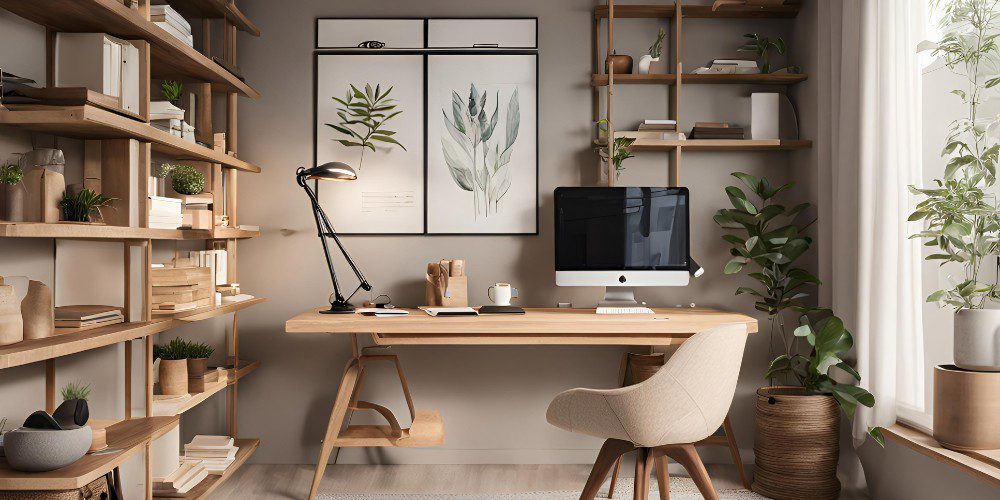
Before exploring specific layout concepts, it helps to establish a strong foundation for workspace planning. These steps help ensure the final setup supports both productivity and comfort.
Step 1: Choose the Right Location
Select a space that allows for consistent focus during the workday. Ideally, this area should be away from high-traffic parts of the home.
Access to natural light can also improve alertness and reduce eye strain. Even a small room or corner can become an effective workspace when planned properly.
Step 2: Determine Work Requirements
Different roles require different tools. Some professionals need space for dual monitors, paperwork, and office equipment, while others primarily rely on a laptop. Identifying equipment needs helps determine the appropriate desk size and storage requirements.
Step 3: Plan the Desk Layout
A functional office desk layout keeps frequently used tools within reach while maintaining a clean work surface. Leave enough room for chair movement and walking space to avoid a cramped environment.
Step 4: Plan Storage Early
Storage should be considered during the layout stage rather than added later. Shelves, cabinets, or wall storage help prevent clutter from accumulating on the desk.
Step 5: Prioritize Ergonomics
Comfortable seating and proper desk height can make long work sessions easier to manage. Adjustable chairs, monitor stands, and thoughtful keyboard placement help support better posture, which may reduce strain on the neck, shoulders, and back over time.
Ergonomic improvements have also been associated with less discomfort, fewer work interruptions, and better productivity, making them an important part of the workspace foundation before refining the layout further.
7 Home Office Setup Ideas to Boost Productivity and Comfort
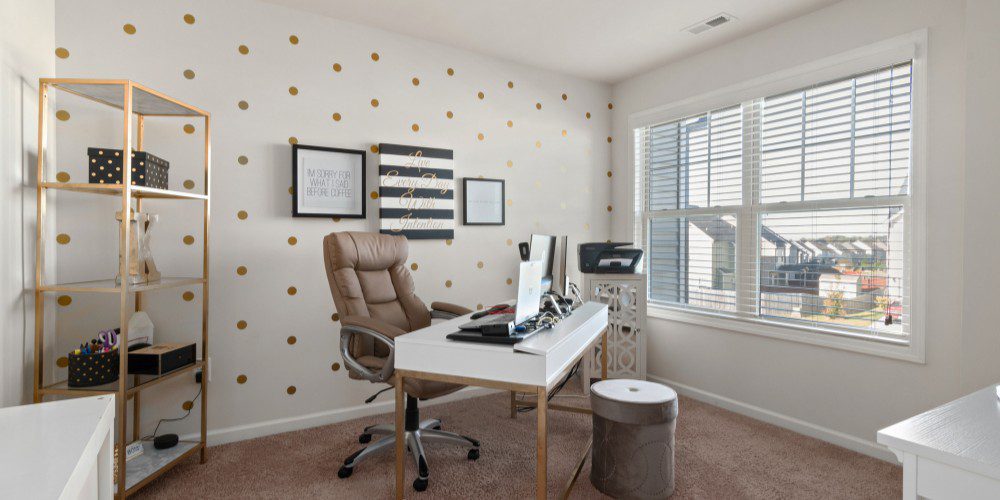
1. Place the Desk in a Commanding Position
A strong home office layout often starts with where the desk sits within the room. Positioning the desk with a clear view of the door and a solid wall behind it can help the space feel more organized, grounded, and easier to work in.
- Clear view of the entry point: Seeing the door from the desk can reduce minor distractions and make the room feel easier to navigate during the workday.
- Solid wall behind the desk: A wall behind the desk helps define the workspace and can create a more structured, professional-looking setup.
- Better layout balance: This arrangement often makes the desk feel intentionally placed rather than pushed into the room as an afterthought.
- Useful for video calls: The wall behind the desk can also support a cleaner, less distracting background for meetings.
2. Use a Corner L-Shaped Layout
A corner-based setup is one of the most practical home office layout ideas for making better use of available space. It helps turn underused corners into productive work areas without crowding the center of the room.
- Makes efficient use of corners: This layout helps maximize square footage, especially in smaller offices or multi-use rooms.
- Adds more usable surface area: An L-shaped desk provides space for monitors, paperwork, and office tools without needing multiple separate pieces.
- Creates work zones: One side of the desk can support computer-based tasks, while the other can be used for writing, reviewing documents, or planning.
- Keeps the room more open: Because the desk follows the walls, the middle of the room often feels less congested.
3. Build a Zoom-Ready Layout Into the Room
For professionals who spend time on video calls, layout should account for what appears behind the desk. A well-planned background can help the room feel more polished and visually organized.
- Desk placement matters on camera: Positioning the desk in front of a clean wall or styled area can improve how the workspace appears during meetings.
- Creates a defined office zone: A bookshelf, framed art, or subtle décor can visually separate the workspace from the rest of the home.
- Reduces background distractions: Keeping the visible area simple and intentional can help maintain a more professional appearance.
- Supports a cleaner overall design: When the video background is considered early, the entire room layout often feels more cohesive.
4. Plan the Layout Around Vertical Storage
A productive office layout should not depend only on desk drawers or floor storage. Using vertical space can keep the room more organized while preserving valuable surface area.
- Frees up the desk: Wall-mounted shelves and tall bookcases help move supplies, files, and reference materials off the main work surface.
- Improves small-room function: In compact offices, vertical storage helps increase organization without taking up more floor space.
- Keeps essentials accessible: Frequently used items can remain within reach without creating desk clutter.
- Makes the room feel more intentional: Storage that is built into the layout can make the office look cleaner and more structured.
5. Create a Layout With a Small Break Zone
A well-designed home office does not need to revolve only around the desk. Including a small area for short breaks can make the space more comfortable and easier to use throughout the day.
- Adds separation within the room: A chair, side table, or open corner can create a visual break from the main work area.
- Supports short resets: Stepping away from the desk for a few minutes can help break up long periods of screen time.
- Makes the office feel more comfortable: A break zone can make the room feel less rigid and more usable for a full workday.
- Works in different room sizes: Even a small corner can serve this purpose without requiring major layout changes.
6. Arrange the Layout Around Natural Elements
Natural light and greenery can influence how a workspace feels and functions. Planning the layout around these features can make the office feel brighter, calmer, and more comfortable.
- Place the desk near a window when possible: Natural light can help the room feel more open and may improve daytime visibility.
- Use plants within the layout: Small indoor plants can add softness and visual balance without taking up much space.
- Make the room feel less enclosed: Natural elements can help offset the structured look of desks, shelving, and office furniture.
- Support a more inviting environment: A layout that includes light and greenery often feels more comfortable for longer work sessions.
7. Use a Layout That Supports Lighting and Ergonomics
The best home office layouts account for how the space will support comfort and performance throughout the day, not just where the furniture can be placed. Planning for lighting and ergonomic spacing from the start is especially important, since better light exposure in work environments has been associated with benefits such as improved sleep, higher daily activity, and better overall quality of life.
- Position the desk to reduce glare: Screen placement should work with windows and light sources to prevent excessive brightness or reflection.
- Leave room for chair movement: A functional layout should allow enough space to sit, stand, and move comfortably around the desk.
- Layer lighting throughout the room: Desk lamps, floor lamps, and overhead lighting can work together to improve visibility.
- Support long-term comfort: Layout decisions should leave enough room for ergonomic office desk furniture, including supportive chairs and properly positioned monitors.
➤ RELATED ARTICLE: How Office Desks for Business Can Boost Workplace Productivity
Why Home Office Layout Matters for Productivity
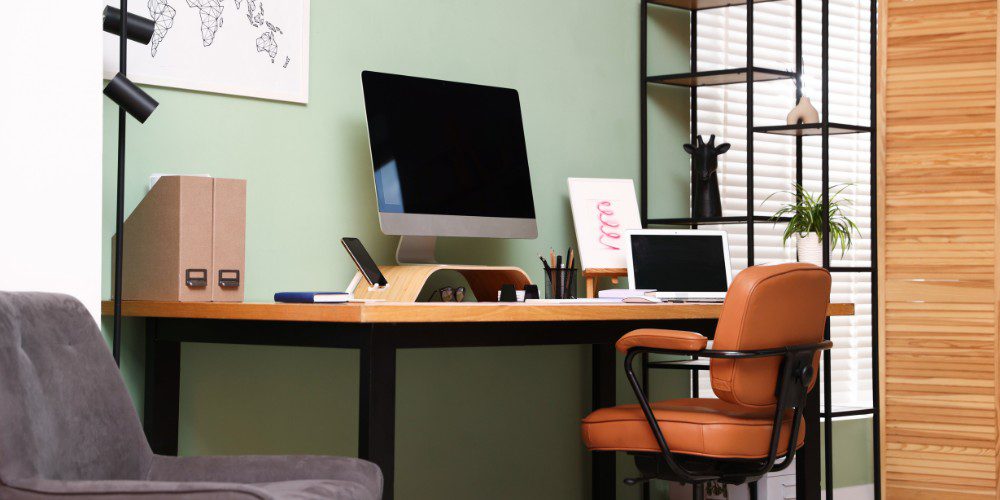 A productive home office depends on more than having a desk and a chair in the room. Layout decisions shape how easily someone can focus, move through tasks, stay comfortable, and maintain a professional work routine throughout the day.
Reduces Everyday Distractions
A thoughtful layout helps limit visual and physical interruptions during the workday. When the desk, storage, and surrounding furniture are arranged well, it becomes easier to stay focused on work instead of reacting to clutter, noise, or constant movement.
Supports a More Efficient Workflow
Home office layout affects how quickly and comfortably daily tasks can be completed. Keeping essential items within reach and arranging the space around work habits can reduce wasted movement and make the day feel more organized.
Helps Keep the Workspace Organized
A strong layout creates room for storage, clear desk surfaces, and better separation between work tools and personal items. That structure can make it easier to manage documents, supplies, and equipment without letting clutter take over the room.
Improves Physical Comfort During Long Work Hours
Poor layout can lead to awkward posture, limited movement, and physical strain over time. A well-planned setup gives enough space for supportive seating, proper desk placement, and a more comfortable working position throughout the day.
Makes Better Use of Available Space
Even a small room can function well when the layout is planned carefully. Using corners, vertical storage, and smart furniture placement can help create a workspace that feels usable and efficient without feeling crowded.
Creates a More Professional Work Environment
For professionals who regularly take calls or attend virtual meetings, layout also affects presentation. A clean, intentional setup can make the office feel more polished and better suited for communication, collaboration, and consistent daily use.
➤ RELATED ARTICLE: Best Home Office Furniture for Stamford Apartments, Condos, and Small Rooms
What is the best layout for a small home office?
Small offices benefit from space-saving layouts such as corner desks or wall-mounted storage. Using vertical shelving and compact office desk furniture allows professionals to maintain an organized workspace without taking up excessive floor space.
How can businesses support employees working from home?
Businesses can support remote employees by encouraging ergonomic workspaces and providing guidance on effective home office layout design. Providing quality chairs, desks, or equipment can also help improve comfort and productivity.
How much space is needed for a functional home office?
A functional workspace does not require a large room. Even a small corner can become productive with the right office desk layout, storage solutions, and ergonomic furniture.
What should be considered when choosing a home office location?
The location should support concentration and minimize interruptions. Quiet areas of the home are often more suitable for consistent work. Access to natural light and nearby power outlets can also improve how the workspace functions. Even a small area can become effective when planned carefully.
How often should a home office layout be updated?
A workspace should evolve as work habits or equipment needs change. Periodically reviewing the layout can help identify areas that feel cramped or inefficient. Adjustments to desk placement, storage, or lighting can improve comfort and workflow. Updating the layout occasionally helps keep the office practical and organized.
Improve Your Workspace with Professional Office Furniture Solutions
A well-designed home office layout can significantly improve productivity, comfort, and daily workflow. The right office desk furniture, ergonomic seating, and storage solutions create a workspace built for performance.
Stamford Office Furniture offers high-quality office furniture solutions in Danbury, CT, designed to support modern work environments.
Explore customizable desks, ergonomic chairs, and complete workspace solutions tailored to your needs.