
✔ Flexible, modular systems allow easy expansion.
✔ Ergonomic investments improve productivity and retention.
✔ Space efficiency prevents costly relocations.
✔ Technology integration keeps operations streamlined.
✔ Furniture should reflect brand identity while remaining practical.
Growth exposes weaknesses in your workspace before it shows up in your revenue. What worked for a five-person startup won’t support a 25-person team.
Folding tables and mismatched chairs may get you through your launch phase, but as your business scales, your office environment must keep up. The right office furniture supports productivity, protects employee health, reflects your brand, and adapts to change.
For growing businesses in Danbury, CT, office furniture isn’t about filling space. It’s about building a workspace that supports long-term performance.
This guide breaks down exactly what to consider—without fluff—so you can invest wisely.
Before choosing furniture styles or finishes, define how your business is evolving.
Ask:
Office furniture must match your operational plan. A startup of eight that plans to scale to 25 within a year needs a modular solution—not a rigid layout that requires full replacement in 18 months.
Growth-oriented furniture planning prevents:
Think in phases, not snapshots.
Startups evolve quickly. Departments shift. Teams grow. Priorities change. Choose furniture that adapts:
Bench-style desks and modular systems allow you to:
Flexibility saves money and minimizes disruption. Instead of replacing everything, you reconfigure.
In competitive business areas like Danbury, where commercial leases and build-outs represent significant investments, adaptability is critical.

Many startups delay ergonomic upgrades to “save money.” That’s a mistake. Uncomfortable employees:
Ergonomic office furniture isn’t a luxury. It’s infrastructure.
Chairs:
Desks
Monitor Placement:
Workplace injuries and discomfort lead to productivity loss. Investing early prevents higher costs later. For startups competing for top talent in Danbury and surrounding Fairfield County, a well-designed workspace also sends a message: you care about your team.
Growing businesses need both.
An office that only supports collaboration becomes noisy and distracting. An office built entirely around private desks limits teamwork.
Balance is key.
Open Workstations
Quiet Zones
Meeting Spaces
Startups often underestimate the need for varied work environments. As you grow, employees’ tasks diversify. Your furniture layout should reflect that shift.
Modern offices run on technology. Furniture must support it. Consider:
Visible cable clutter looks unprofessional and creates hazards. Integrated solutions keep spaces clean and functional. As your business adds employees, hardware multiplies. Design with that in mind from the start.
Office furniture communicates identity. Are you:
Your furniture choices should align with how you want clients and employees to perceive you. For example:
Startups often overlook this. But in competitive business hubs like Danbury, where client impressions matter, your physical space becomes part of your brand. The goal is cohesion. Not extravagance.
Growing companies must balance quality with cost control. Here’s how to approach budgeting wisely:
Low-cost furniture often:
That’s not savings—it’s a delayed expense.
Invest in:
Lower-cost solutions may work for:
Not every space requires premium finishes. Allocate budget strategically based on visibility and usage. This approach keeps growth sustainable without compromising professionalism.
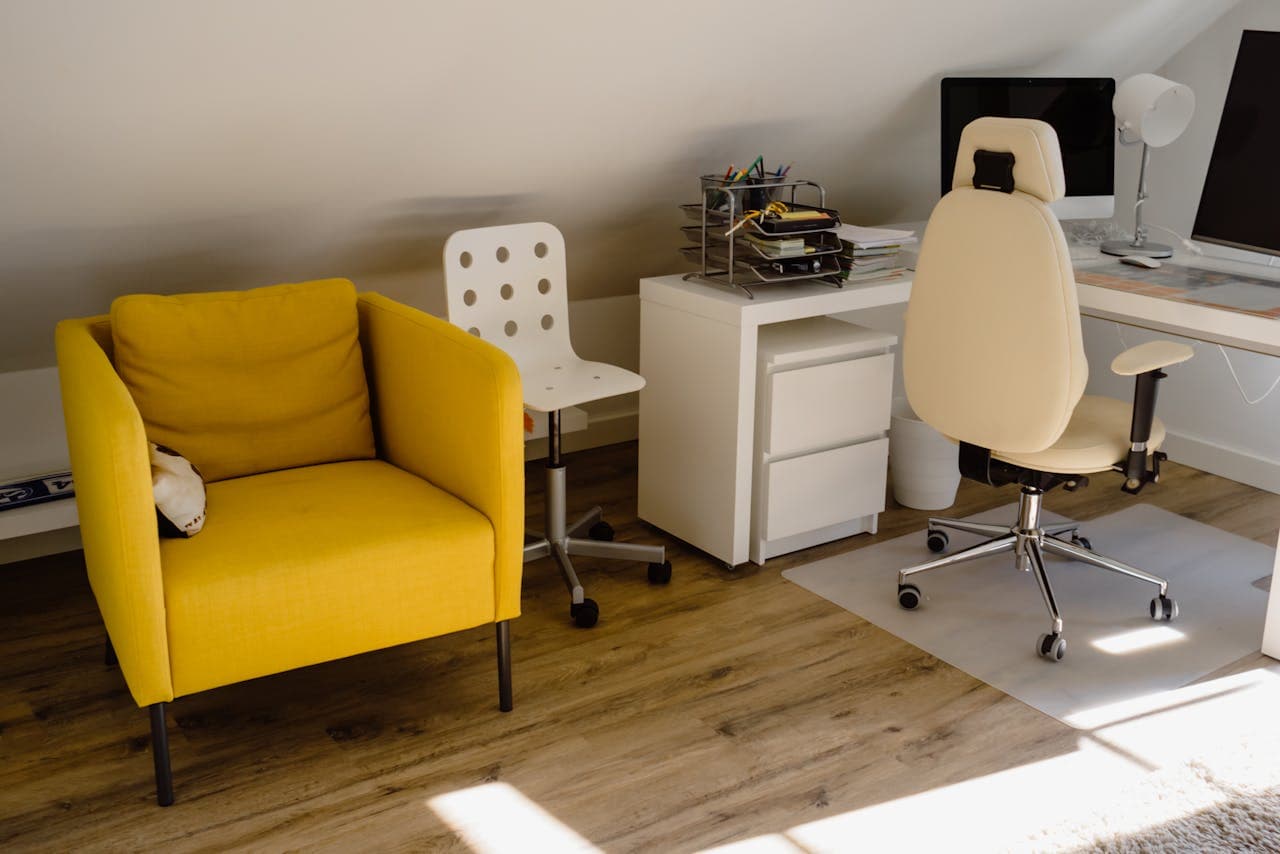
Danbury commercial office space varies in layout and size. Efficient furniture planning ensures you use every square foot wisely.
Oversized executive desks may look impressive, but they waste space in smaller suites.
Proper spacing improves flow, accessibility, and safety. A thoughtful layout prevents overcrowding as you add staff.
Many businesses in Connecticut now operate with hybrid schedules. This changes furniture planning. Instead of assigning desks permanently, consider:
Hybrid models require fewer fixed desks but more shared spaces. If your startup anticipates hybrid operations, build that flexibility into your furniture choices now, not later.
Early-stage businesses sometimes overinvest in executive offices while underinvesting in team areas.
Keep leadership offices proportionate.
Growth-stage companies benefit from:
Your office layout should support operational efficiency—not hierarchy display.
Paper use may be declining, but storage still matters. Growing businesses accumulate:
Integrated storage prevents clutter. Options include:
A cluttered office signals disorganization. Efficient storage supports scalability.
Even startups should take reception seriously. Your reception area:
Choose:
You don’t need luxury finishes. You need coherence and quality. In a competitive market like Danbury, first impressions can influence client confidence before the first meeting begins.
Many employees and clients value environmentally responsible choices. Consider:
Sustainability isn’t only ethical. It’s practical. Furniture that lasts reduces replacement cycles and long-term costs.
Office furniture isn’t a simple retail purchase. It involves:
Growing businesses rarely have time to manage these logistics internally. Working with experienced office furniture professionals ensures:
Mistakes in ordering or sizing can delay operations and waste budget.
Learn from others.
Phase your purchases according to growth forecasts.
Ask teams about workflow needs before finalizing layouts.
Packing desks tightly may save space short-term but it harms morale and productivity.
Aesthetic matters—but usability comes first.
Always leave room to add seats without a full redesign. Avoiding these errors protects your investment.
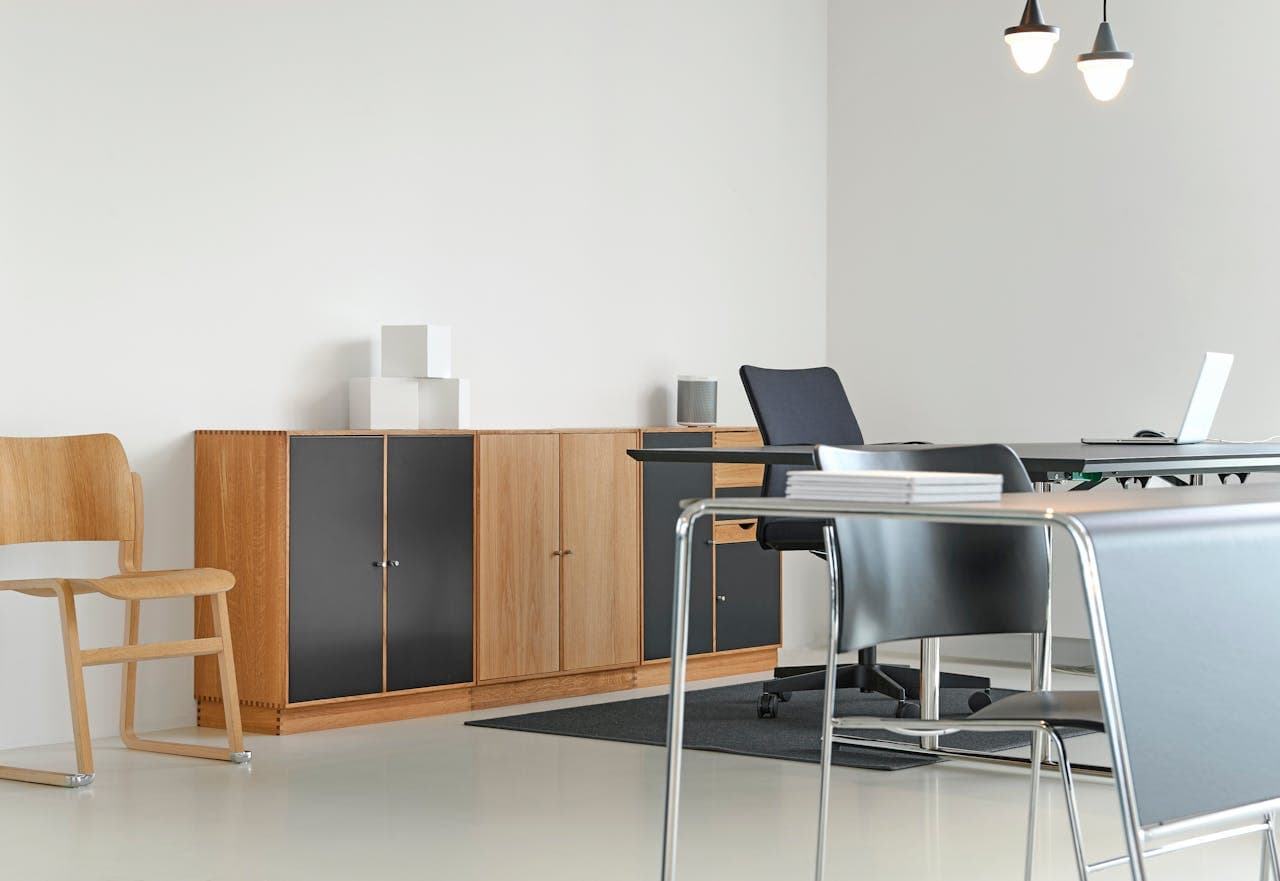
Think of office furniture the same way you think about IT systems or financial planning. It supports:
For growing businesses in Danbury, furniture decisions shouldn’t be rushed or improvised. They should be strategic. When chosen thoughtfully, office furniture becomes an asset—not an expense.
Startups benefit most from modular, scalable furniture systems. Bench-style workstations, ergonomic chairs, and mobile storage units allow businesses to expand without replacing entire layouts. Flexibility and durability should be prioritized over decorative features.
Budgets vary based on size and quality, but growing companies should focus on long-term value rather than the lowest upfront cost. High-use items like chairs and desks deserve higher investment, while secondary spaces can use more cost-effective solutions. Planning for phased growth prevents overspending.
Choose scaled furniture, integrated storage, and multi-functional pieces. Modular desks and shared workstations maximize square footage. Avoid oversized executive furniture that consumes usable workspace.
Yes. Ergonomic furniture improves comfort, reduces workplace strain, and supports productivity. Even small teams benefit from adjustable chairs, proper desk heights, and correct monitor positioning. Preventing discomfort early avoids long-term productivity loss.
Scalable layouts, modular systems, and adaptable workstations allow companies to add employees without full redesigns. Furniture that supports collaboration, technology integration, and hybrid work models ensures the workspace evolves with the business.
Choosing office furniture isn’t about filling a room. It’s about preparing your business for what’s next. Growing startups and expanding companies in Danbury need:
If you’re planning a new office or preparing to expand, don’t wait until your space limits your growth.
Partner with experienced office furniture professionals who plan for where you’re going—not just where you are today.
For offices in Danbury, Stamford Office Furniture provides tailored office furniture solutions designed to support growing businesses with practical, scalable, and well-planned workspace environments.