✔ Sustainable office furniture supports long-term cost efficiency and environmental responsibility.
✔ Ergonomic workstations help improve employee comfort, focus, and overall productivity.
✔ Modular furniture systems allow offices to adapt to hybrid schedules and growth.
✔ Tech-ready workstations enhance efficiency and reduce unnecessary cable clutter.
✔ Strategic furniture planning improves organization, functionality, and professional appearance.
Workspaces are changing fast, and many offices are feeling it in everyday ways: crowded meeting rooms on busy onsite days, awkward setups for video calls, and workstations that stop being comfortable by mid afternoon.
In 2026, businesses are choosing office furniture based on flexibility, employee well being, tech readiness, and long term value because these choices directly affect productivity, retention, collaboration, and daily efficiency, not just how the office looks.
Here are the key office furniture trends businesses are adopting in 2026 and what they signal for companies planning upgrades or expansions.
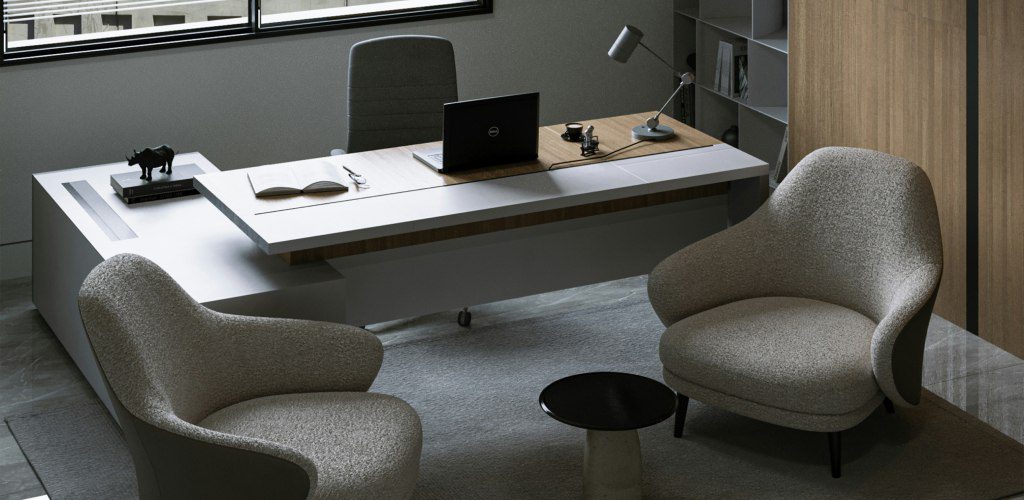
Sustainable office furniture is no longer a niche preference in 2026. Businesses are using purchasing standards that factor in material sourcing, indoor air quality, and how long furniture can realistically stay in service before it needs replacement.
Ergonomic furniture is being treated as a performance and retention investment, not an employee perk. Businesses are standardizing workstation comfort so productivity does not depend on who gets the “good chair” or the “good desk.”
Hybrid schedules keep occupancy unpredictable, so businesses are designing spaces that stay functional even as the number of onsite employees changes by the day. Furniture is being chosen for flexibility, fast reconfiguration, and consistent user experience.
Furniture is now designed around modern device use, reducing cable clutter, limiting adapters, and preventing connectivity issues during meetings. Growing demand for foldable, space-saving furniture with built-in wireless charging and adaptable layouts is further driving this shift across the global market.
Minimalist design continues to lead, now incorporating warmer and more natural materials. Clean, functional furniture complements modern office aesthetics while fostering a professional and welcoming environment that supports employee morale, focus, and overall efficiency without feeling cold or impersonal.
Businesses are treating clutter control as a productivity issue. Storage is being selected to keep shared spaces professional and individual work areas free from distraction.
Open layouts still support collaboration, but businesses are adding privacy options to protect focus and reduce noise. This trend is especially strong in offices that host hybrid meetings throughout the day.
Office furniture decisions now impact:
Outdated furniture can undermine workplace morale. Modern, adaptable furniture supports business growth and signals forward-thinking leadership. Companies that invest strategically avoid frequent replacements and improve long-term ROI.
When evaluating upgrades, businesses should focus on:
Assess how teams operate day to day, including where focused work, collaboration, and client interactions happen most often.
Use occupancy patterns and traffic flow observations to determine what areas are underused, overcrowded, or misaligned with actual work habits.
Align furniture quantities and layouts with onsite schedules so the office supports rotating attendance without wasted seats or cramped peak days.
Plan for power access, charging, cable routing, and meeting room needs so furniture supports device heavy work without clutter or delays.
Select modular systems and flexible pieces that can expand, reconfigure, or shift departments without requiring a full redesign.
Prioritize ergonomic seating and workstation adjustability to reduce fatigue, support health, and sustain performance across long workdays.
A comprehensive approach prevents overspending and supports a cohesive, functional design. Working with a professional office furniture company helps manage planning, product selection, delivery, and installation with fewer missteps.
High-demand items include ergonomic seating, modular workstations, acoustic privacy solutions, collaborative lounge furniture, and tech-integrated desks. Businesses are investing in furniture that supports flexibility, improves employee experience, and aligns with evolving workplace expectations.
Commercial-grade office furniture is typically designed to last seven to fifteen years, depending on usage levels and material quality. Replacement timelines vary based on wear, changing workforce size, and evolving operational needs rather than style trends alone.
Layout decisions are often based on workflow patterns, team interaction needs, square footage, and growth projections. Many companies evaluate how employees move through the space and where bottlenecks occur before selecting furniture systems.
Some businesses purchase in phases to manage budget and adjust to changing staffing levels, while others prefer a full installation to maintain design consistency. The right approach depends on financial planning and how quickly the workspace needs to be operational.
Companies typically evaluate employee comfort, technology requirements, space efficiency, durability expectations, and future scalability before committing to new furniture. Clear planning helps prevent costly redesigns and ensures the investment supports long-term business goals.
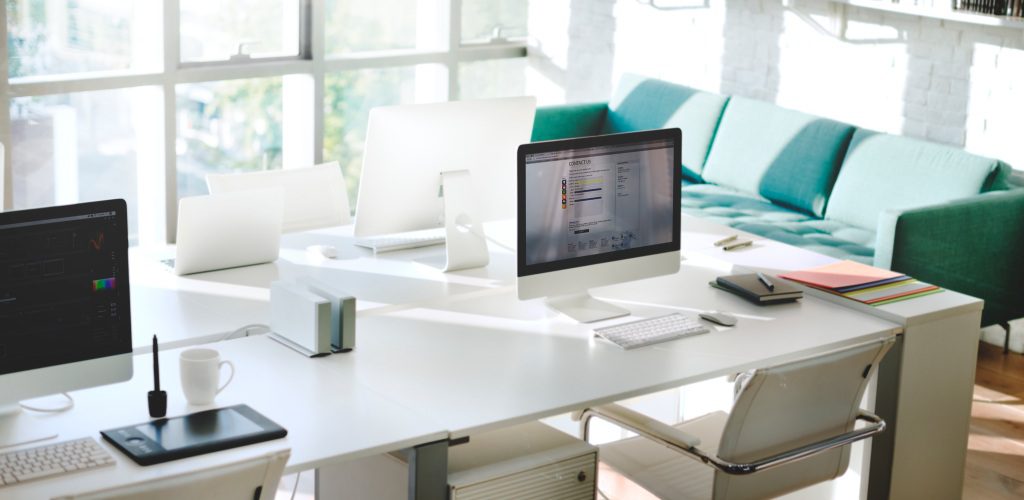
Stamford Office Furniture is a trusted office furniture provider serving businesses in Brookfield, CT, with commercial-grade solutions designed for durability, flexibility, and long-term value. From ergonomic seating and adjustable desks to modular workstations and integrated storage systems, every recommendation is aligned with operational goals and workspace efficiency. Businesses across Brookfield, CT, rely on experienced guidance, space planning insight, and quality products that support hybrid schedules, productivity, and professional presentation.
For organizations in Brookfield, CT seeking dependable office furniture expertise, contact Stamford Office Furniture today to discuss workspace needs and request a consultation.