✔ Modular office furniture allows businesses to scale without constant replacement
✔ Ergonomic seating and adjustable desks improve productivity and employee well-being
✔ Space planning is essential for avoiding inefficiencies during growth
✔ Durable materials reduce long-term furniture costs
✔ Collaborative furniture supports teamwork as organizations expand
Growth is exciting, but it comes with real operational pressure.
For startups and expanding businesses, the office environment often lags behind company momentum. Teams outgrow desks, collaboration suffers, storage disappears, and employee comfort becomes an afterthought. Office furniture isn’t just a design choice at this stage—it’s an infrastructure decision that directly affects productivity, scalability, and long-term costs.
Choosing the right office furniture solutions early helps growing businesses stay agile, support employee performance, and avoid costly replacements as headcount increases. This guide breaks down the most effective office furniture strategies for startups and expanding organizations, with a focus on flexibility, functionality, and smart planning.
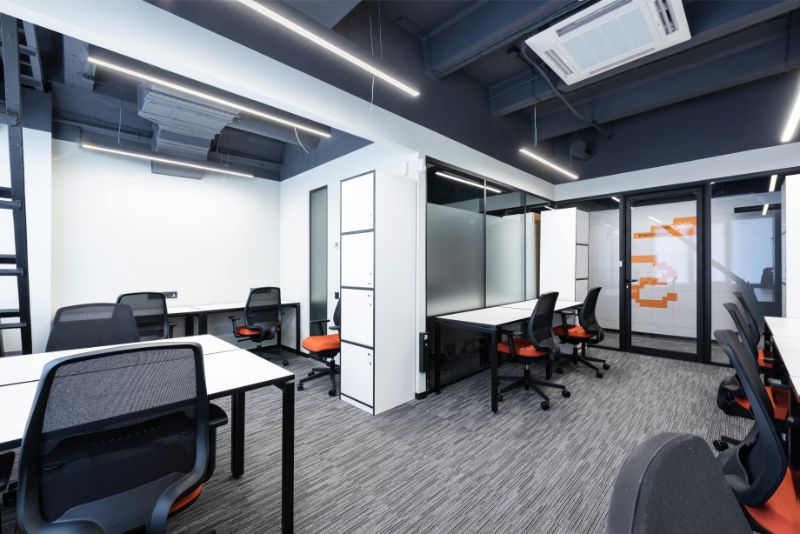
When companies scale quickly, office furniture is often purchased reactively. A few extra desks here, chairs there—without a cohesive plan. This approach creates inefficiencies that compound over time.
Well-planned furniture solutions help growing businesses:
Furniture decisions made during early growth stages often determine whether an office becomes a flexible asset or a limiting factor.
One of the most practical solutions for startups and growing teams is modular workstation systems. These allow businesses to reconfigure layouts without replacing furniture entirely.
Modular workstations are especially effective for businesses expecting frequent hiring or departmental restructuring.
Chairs are often the most underestimated piece of office furniture—and one of the most impactful. As teams grow, discomfort leads to lower productivity, increased absenteeism, and potential long-term health issues.
Ergonomic seating supports employee well-being and signals that a company values its workforce—an important factor for retention in competitive markets.
Flexible workstyles are no longer a trend—they’re standard. Height-adjustable desks support movement, improve circulation, and accommodate different employee preferences.
For startups, investing in adjustable desks early avoids future retrofitting costs as expectations evolve.
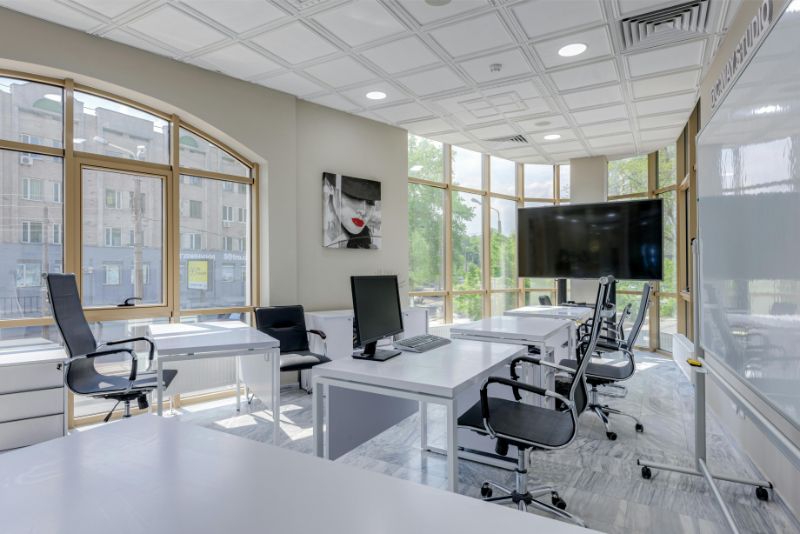
As companies scale, collaboration becomes more structured. Informal meetings, brainstorming sessions, and cross-functional work require dedicated spaces—without sacrificing individual focus areas.
The right collaboration furniture supports innovation while keeping teams aligned and efficient.
Clutter is a common side effect of rapid growth. Without proper storage, offices become disorganized, inefficient, and visually distracting.
Scalable storage solutions help maintain organization without constant reconfiguration.
For growing businesses, perception matters. Clients, investors, and new hires form opinions the moment they walk in.
A professional reception area reinforces credibility—especially for startups transitioning into established businesses.
As teams grow, meetings become more frequent and more strategic. Poorly designed conference rooms hinder communication and focus.
Conference furniture should support both internal collaboration and external presentations.
Furniture alone doesn’t solve growth challenges—layout does. Without strategic space planning, even high-quality furniture underperforms.
Professional space planning ensures furniture investments align with business goals rather than short-term fixes.
Startups often prioritize cost, but low-quality furniture leads to higher replacement expenses over time. Growing businesses benefit from balancing upfront cost with long-term durability.
Durable furniture reduces downtime, maintenance, and future capital expenses.
Sustainability increasingly influences purchasing decisions for employees, clients, and investors. Office furniture plays a role in responsible business growth.
Sustainable choices support both environmental goals and financial efficiency.
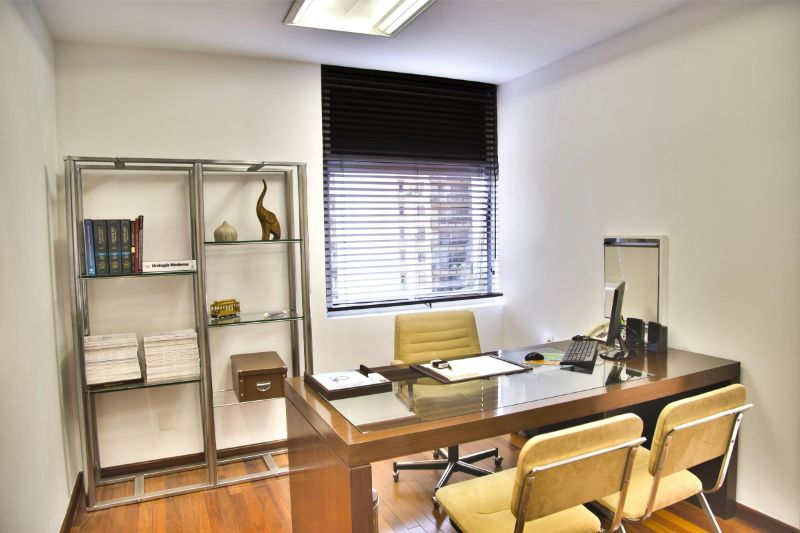
Growing businesses often repeat the same missteps when furnishing offices. Avoiding these mistakes saves time and money.
Strategic furniture decisions prevent disruption as businesses scale.
For businesses in Brookfield and surrounding Connecticut communities, office furniture choices should reflect both local business culture and building realities.
Working with knowledgeable local providers helps businesses navigate these nuances effectively.
Office furniture should be treated as part of a company’s operational strategy—not a last-minute expense. When aligned with growth plans, furniture supports efficiency, collaboration, and employee satisfaction.
The most successful growing businesses view furniture as:
A long-term investment
The best office furniture for startups is modular, ergonomic, and scalable. Modular workstations and adjustable seating allow businesses to grow without replacing furniture, while ergonomic designs support employee productivity from day one.
Growing businesses should prioritize flexible furniture systems that can be reconfigured as teams expand. Space planning, modular layouts, and durable materials help ensure furniture supports long-term growth rather than short-term fixes.
Yes. Ergonomic office furniture reduces discomfort, improves productivity, and lowers the risk of workplace injuries. For growing teams, this investment helps prevent costly health-related issues and employee turnover.
Well-chosen commercial-grade office furniture should last many years. Businesses that invest in modular, durable solutions can expand or reconfigure layouts without full replacement, reducing long-term costs.
Collaborative furniture, such as conference tables with power access, flexible seating, and modular lounge areas, supports teamwork, meetings, and cross-department collaboration without disrupting individual workspaces.
Growing businesses need office furniture solutions that adapt as fast as they do. From modular workstations and ergonomic seating to smart storage and collaborative spaces, the right choices create an office that supports people, performance, and progress.
For businesses in and around Brookfield, CT, working with an experienced provider like Stamford Office Furniture can help ensure your office environment evolves seamlessly alongside your company—without costly missteps or unnecessary disruptions.