3 Key Strengths and 3 Areas of Improvement
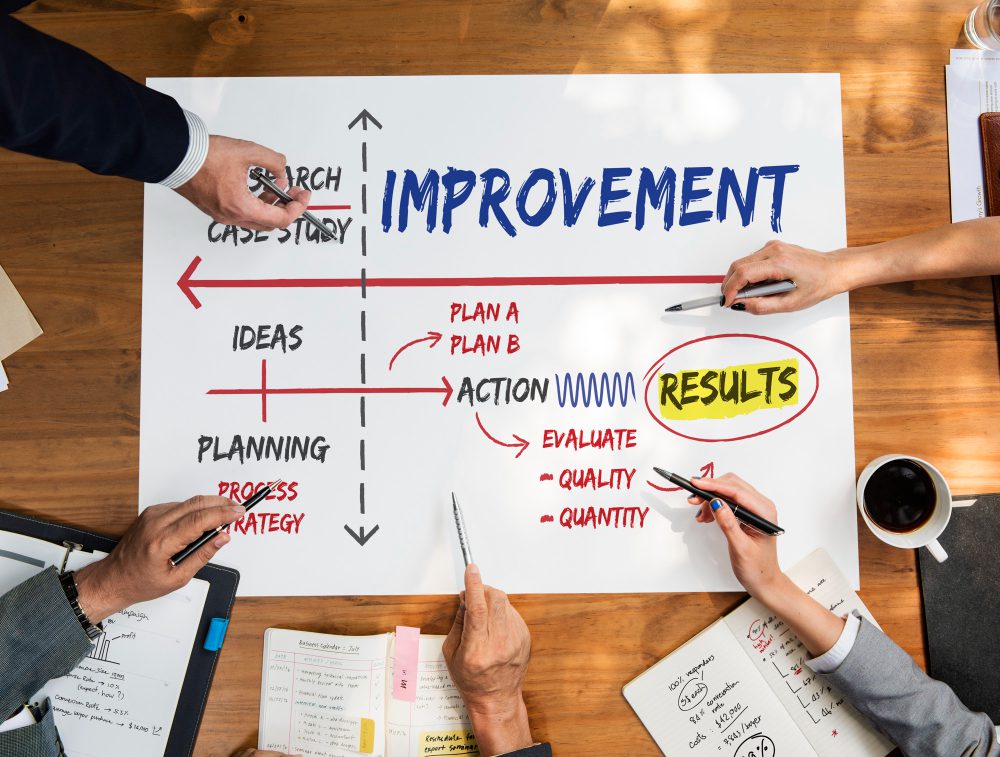
Every employee has unique talents to bring to the workplace, along with opportunities to grow. Identifying 3 key strengths and 3 areas of improvement helps balance what employees already do well with the things to improve on at work, creating a clear path for better performance and satisfaction.
✔ Planning and Organizational Skills
Planning and organization keep work flowing smoothly. These are some of the most practical areas of improvement at work because they directly affect productivity and stress levels.
1. Time Management
Time management means making the best use of working hours. Employees who plan their day and avoid distractions are able to finish more tasks without feeling rushed. One of the easiest things to improve on at work is to use digital reminders, planners, or a wall clock near the workstation. A sturdy desk with enough surface space from Stamford Office Furniture helps employees spread out their work neatly.
2. Task Prioritization
Not every task needs immediate attention. Employees who can decide what is urgent and what can wait perform more effectively. Using shelving units or mobile pedestals for organizing documents helps prevent clutter and confusion.
3. Setting Realistic Goals
Clear, achievable goals give employees direction and motivation. Breaking a project into smaller tasks makes progress easier to track and less overwhelming. A sit-stand desk helps employees stay energized while moving between tasks during long workdays.
4. Attention to Detail
Paying close attention to detail reduces costly mistakes and improves quality. Employees can achieve this by keeping their workstation organized with filing cabinets and storage drawers. A neat and clutter-free space helps the mind stay sharp.
5. Managing Multiple Tasks
Handling multiple tasks requires balance and planning. Employees who use calendars, checklists, or project boards stay on top of competing responsibilities. Having a corner desk or L-shaped desk allows employees to separate tasks and keep things organized.
✔ Leadership and Management Skills
Leadership skills help employees inspire others, manage responsibilities, and keep teams on track. These areas of improvement at work are important for those looking to grow into management roles.
6. Delegating Responsibilities
Leaders should avoid trying to do everything themselves. Delegating builds trust and helps team members grow. A conference table with enough space for collaboration can make delegation discussions smoother.
7. Motivating and Inspiring Colleagues
Motivation encourages employees to put their best effort forward. Simple recognition like thanking a colleague during a meeting boosts morale. A comfortable lounge area with sofas or chairs can also help managers connect with their teams in a relaxed setting.
8. Conflict Resolution
Conflicts are natural in any workplace, but leaders who remain calm and fair can resolve them quickly. Training rooms with round tables and ergonomic seating support healthy discussions and fair mediation. This is one of the most valuable things to improve on at work for building stronger teams.
9. Decision-Making Under Pressure
Making good decisions during stressful times shows leadership strength. Leaders who gather input, weigh options, and act quickly create confidence in the team. A quiet office corner with soundproof partitions can help leaders think clearly when pressure is high.
10. Giving Feedback and Coaching
Feedback and coaching help employees learn and grow. Leaders who give clear, constructive advice improve team performance. Setting up a small meeting space with conference chairs makes one-on-one coaching more effective.
✔ Communication and Interpersonal Skills
Communication is at the heart of teamwork, and improving these skills is one of the most common 3 areas of improvement employees can focus on. In fact, nearly half of employees say poor communication lowers their job satisfaction, and about 42% note it adds to their daily stress levels. Strengthening communication not only supports collaboration but also creates a healthier, more positive workplace.
11. Active Listening
Employees who listen carefully avoid misunderstandings and build trust. Taking notes during conversations shows attentiveness. A comfortable task chair helps employees stay focused during long discussions.
12. Clear Communication in Meetings
Communicating clearly ensures ideas are understood. Using visual aids, slides, or whiteboards makes meetings more engaging. Conference tables and ergonomic chairs keep teams comfortable during long sessions.
13. Professional Written Communication
Emails, reports, and messages need to be simple and easy to follow. Improving writing avoids confusion and speeds up project progress. A spacious workstation with monitor risers supports better posture while writing.
14. Building Workplace Relationships
Good relationships create a positive work environment. Employees who take time to connect with colleagues often feel more engaged and motivated. A breakroom with café tables and chairs provides the perfect setting for casual conversations.
15. Negotiation and Persuasion
Negotiation is about finding solutions that work for everyone. Employees who master this skill build stronger professional relationships. A private meeting booth with soundproof panels can help during sensitive discussions.