15 Top Areas Of Improvement Examples For Employees [2025]

areas of improvement

Table of Contents

KEY TAKEAWAYS

Balance strengths with clear areas of improvement.

Set goals, use feedback, keep learning.

Satisfaction grows with balance, relationships, and wins.

Companies should improve communication, leadership, and tools like ergonomic furniture.

Managers support best with feedback, listening, and recognition.

Continuous improvement drives efficiency, quality, engagement, and satisfaction.

Having the correct office furniture supports productivity, lowers stress, and helps employees stay comfortable throughout the workday.

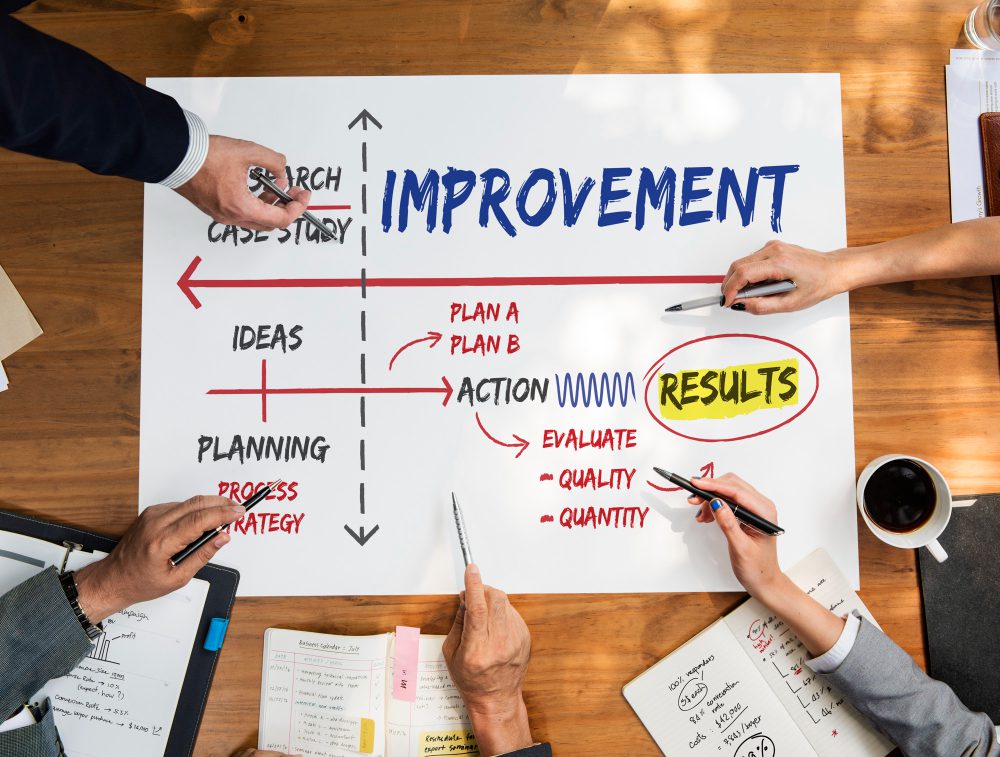
Workplaces in 2025 look very different from just a few years ago. Both companies and employees are now putting more focus on growth, everyday skills, and stronger workplace relationships. Recognizing areas of improvement is just as important as building on existing strengths.

This guide shares 15 top areas of improvement examples for employees, along with 3 key strengths and 3 areas of improvement that can shape career growth. By focusing on the right things to improve at work, employees can be more productive, work better with their teams, and feel more confident in their roles.

3 Key Strengths and 3 Areas of Improvement

Every employee has unique talents to bring to the workplace, along with opportunities to grow. Identifying 3 key strengths and 3 areas of improvement helps balance what employees already do well with the things to improve on at work, creating a clear path for better performance and satisfaction.

✔ Planning and Organizational Skills

Planning and organization keep work flowing smoothly. These are some of the most practical areas of improvement at work because they directly affect productivity and stress levels.

1. Time Management

Time management means making the best use of working hours. Employees who plan their day and avoid distractions are able to finish more tasks without feeling rushed. One of the easiest things to improve on at work is to use digital reminders, planners, or a wall clock near the workstation. A sturdy desk with enough surface space from Stamford Office Furniture helps employees spread out their work neatly.

2. Task Prioritization

Not every task needs immediate attention. Employees who can decide what is urgent and what can wait perform more effectively. Using shelving units or mobile pedestals for organizing documents helps prevent clutter and confusion.

3. Setting Realistic Goals

Clear, achievable goals give employees direction and motivation. Breaking a project into smaller tasks makes progress easier to track and less overwhelming. A sit-stand desk helps employees stay energized while moving between tasks during long workdays.

4. Attention to Detail

Paying close attention to detail reduces costly mistakes and improves quality. Employees can achieve this by keeping their workstation organized with filing cabinets and storage drawers. A neat and clutter-free space helps the mind stay sharp.

5. Managing Multiple Tasks

Handling multiple tasks requires balance and planning. Employees who use calendars, checklists, or project boards stay on top of competing responsibilities. Having a corner desk or L-shaped desk allows employees to separate tasks and keep things organized.

✔ Leadership and Management Skills

Leadership skills help employees inspire others, manage responsibilities, and keep teams on track. These areas of improvement at work are important for those looking to grow into management roles.

6. Delegating Responsibilities

Leaders should avoid trying to do everything themselves. Delegating builds trust and helps team members grow. A conference table with enough space for collaboration can make delegation discussions smoother.

7. Motivating and Inspiring Colleagues

Motivation encourages employees to put their best effort forward. Simple recognition like thanking a colleague during a meeting boosts morale. A comfortable lounge area with sofas or chairs can also help managers connect with their teams in a relaxed setting.

8. Conflict Resolution

Conflicts are natural in any workplace, but leaders who remain calm and fair can resolve them quickly. Training rooms with round tables and ergonomic seating support healthy discussions and fair mediation. This is one of the most valuable things to improve on at work for building stronger teams.

9. Decision-Making Under Pressure

Making good decisions during stressful times shows leadership strength. Leaders who gather input, weigh options, and act quickly create confidence in the team. A quiet office corner with soundproof partitions can help leaders think clearly when pressure is high.

10. Giving Feedback and Coaching

Feedback and coaching help employees learn and grow. Leaders who give clear, constructive advice improve team performance. Setting up a small meeting space with conference chairs makes one-on-one coaching more effective.

✔ Communication and Interpersonal Skills

Communication is at the heart of teamwork, and improving these skills is one of the most common 3 areas of improvement employees can focus on. In fact, nearly half of employees say poor communication lowers their job satisfaction, and about 42% note it adds to their daily stress levels. Strengthening communication not only supports collaboration but also creates a healthier, more positive workplace.

11. Active Listening

Employees who listen carefully avoid misunderstandings and build trust. Taking notes during conversations shows attentiveness. A comfortable task chair helps employees stay focused during long discussions.

12. Clear Communication in Meetings

Communicating clearly ensures ideas are understood. Using visual aids, slides, or whiteboards makes meetings more engaging. Conference tables and ergonomic chairs keep teams comfortable during long sessions.

13. Professional Written Communication

Emails, reports, and messages need to be simple and easy to follow. Improving writing avoids confusion and speeds up project progress. A spacious workstation with monitor risers supports better posture while writing.

14. Building Workplace Relationships

Good relationships create a positive work environment. Employees who take time to connect with colleagues often feel more engaged and motivated. A breakroom with café tables and chairs provides the perfect setting for casual conversations.

15. Negotiation and Persuasion

Negotiation is about finding solutions that work for everyone. Employees who master this skill build stronger professional relationships. A private meeting booth with soundproof panels can help during sensitive discussions.
things to improve on at work

Top 3 Ways to Improve Work Performance (Reference Examples)

Improving performance doesn’t always mean working harder — it means working smarter. Here are the top 3 ways to improve work performance, reference examples:

  1. Set Daily Goals and Track Progress: Small, achievable goals keep employees focused and give a sense of accomplishment. Desk organizers and planners can make goal tracking easier.
  2. Apply Constructive Feedback: Employees who listen to and apply feedback grow faster and avoid repeated mistakes. Comfortable office chairs support long feedback sessions without distractions.
  3. Invest in Continuous Learning: New skills keep employees competitive in today’s workplace. Training rooms with flexible desks and seating encourage an environment for ongoing learning.

Three Things Employees Can Do to Improve Job Satisfaction

Satisfaction comes from a balance between productivity and well-being. Here is a list of three things you can do to improve job satisfaction every day:

  1. Maintain Work-Life Balance: Breaks, flexible schedules, and healthy routines prevent burnout. Sit-stand desks from Stamford Office Furniture help employees stay comfortable throughout the day.
  2. Strengthen Workplace Relationships: Positive connections make employees feel supported and valued. Shared office spaces with collaborative furniture like lounge chairs or huddle tables help build stronger bonds.

  3. Celebrate Small Wins: Recognizing small achievements creates motivation and pride. Bulletin boards or display shelves can be used to celebrate milestones in the office.

What Areas Should the Company Focus on Improving Moving Forward?

The company should focus on areas of improvement at work, such as better communication, stronger leadership, and updated tools. Another priority is recognizing 3 key strengths and 3 areas of improvement across teams to guide growth. Simple steps like clearer goals, feedback, and training — the top 3 ways to improve work performance, reference examples — can help the company move forward successfully.

Workplace furniture also plays a major role in productivity and well-being. Research shows that four in ten employees say their desk influences productivity, while more than a third report their chair affects daily stress levels.

Around four out of ten employees link their desk to productivity, and more than one in three believe their chair affects stress every single day. With that in mind, investing in ergonomic desks, supportive seating, and storage solutions from providers like Stamford Office Furniture can directly support employee performance and well-being.

What Specific Actions Could Your Manager Take to Provide Better Support?

Managers can provide better support by giving constructive feedback, listening to employee concerns, and celebrating small wins. These actions directly address common things to improve on at work. A good manager also promotes balance, stronger relationships, and recognition — a simple list of three things you can do to improve job satisfaction.

What Are the Four Main Goals of Continuous Improvement?

The four goals are:

  1. Improve efficiency


  2. Raise quality


  3. Increase employee engagement


  4. Boost customer satisfaction


These align with everyday areas of improvement like planning, leadership, and communication. Using the top 3 ways to improve work performance reference examples supports each goal, making steady progress easier for both employees and the company.

Wooden blocks on a table spell out "success."

Frequently Asked Questions (FAQs)

What are simple tools that improve productivity at work?

Simple tools like planners, task management apps, and digital calendars help employees manage priorities. Even basic desk accessories, filing cabinets, and whiteboards improve organization and focus. Choosing tools that fit the employee’s workflow is key to making them effective, and pairing them with ergonomic desks or storage solutions from Stamford Office Furniture can make the setup even more efficient.

Interpersonal skills affect how well employees work with others and how smoothly projects run. Good communication and relationship-building reduce misunderstandings and strengthen teamwork. These skills are also essential for customer-facing roles, where trust and clarity matter most.

Small office changes, like adding ergonomic chairs or sit-stand desks, reduce discomfort and boost focus. Organized workspaces with shelves or storage units also cut down on wasted time. When employees feel physically supported with the right office setup, such as ergonomic seating or storage from Stamford Office Furniture, it becomes much easier to stay productive.

Feedback helps employees see both strengths and things to improve on at work clearly. Constructive comments guide workers toward better habits and prevent repeated mistakes. Regular, balanced feedback sessions encourage continuous improvement without overwhelming employees.

Managers can encourage continuous learning by offering workshops, recommending courses, or providing mentoring opportunities. Creating a training-friendly environment with flexible furniture setups makes sessions more engaging, and Stamford Office Furniture provides solutions like adaptable desks and modular seating that make training rooms more effective. Recognizing employees who build new skills also motivates others to keep learning.

Get Office Performance Upgrades in New Haven, CT!

Boost productivity and comfort in the workplace with tailored solutions designed to support modern teams. Stamford Office Furniture provides ergonomic desks, seating, and storage options that fit the needs of offices across New Haven, CT. With the right setup, organizations in New Haven, CT, can improve collaboration, reduce stress, and create an environment where employees thrive.

Contact Stamford Office Furniture today to explore office solutions that drive better results.