

Quick Facts
✔ Office furniture influences trust.
✔ Reception areas and conference rooms carry the most visual impact.
✔ Cohesive design matters more than expensive materials.
✔ Ergonomic, well-maintained furniture signals professionalism and stability.
✔ Strategic upgrades in high-visibility areas deliver the highest return on investment.
When clients walk into your office, they make decisions before you say a word. They notice the reception desk, seating, lighting, layout, and condition of your furniture. Within seconds, they’ve formed an opinion about your professionalism, attention to detail, and stability.
Office furniture is not decoration. It’s a business signal.
If you want your space to communicate credibility, organization, and confidence, your furniture choices need to support that message. Here’s how to choose office furniture that creates a strong, immediate impression and reinforces it throughout the client experience.
Research consistently shows that people form impressions in seconds. In a business environment, those impressions influence:
Your office environment either strengthens your brand or quietly undermines it. Worn chairs, mismatched desks, cluttered surfaces, and outdated finishes suggest disorganization or lack of growth. Clean lines, cohesive design, ergonomic seating, and quality materials signal stability and professionalism.
Clients assume your physical space reflects how you run your business. Make sure it does.
The reception area is your first handshake.
Your reception desk should:
A bulky desk in a small room feels overwhelming. A flimsy desk in a large space feels temporary. The right balance communicates permanence and organization. Materials like laminate with high-end finishes, solid wood veneers, or sleek contemporary surfaces create a polished appearance without being flashy.
Client seating in reception should be:
Avoid overly casual lounge furniture unless your brand calls for it. For most professional offices, structured seating works best.
Neutral tones (gray, navy, charcoal, cream) convey stability. Accent colors can reflect branding, but should not overpower the room.
Crowded reception areas feel chaotic. Too sparse feels cold. Provide enough space between seating pieces for privacy and ease of movement. Clear walkways signal thoughtful design and accessibility.
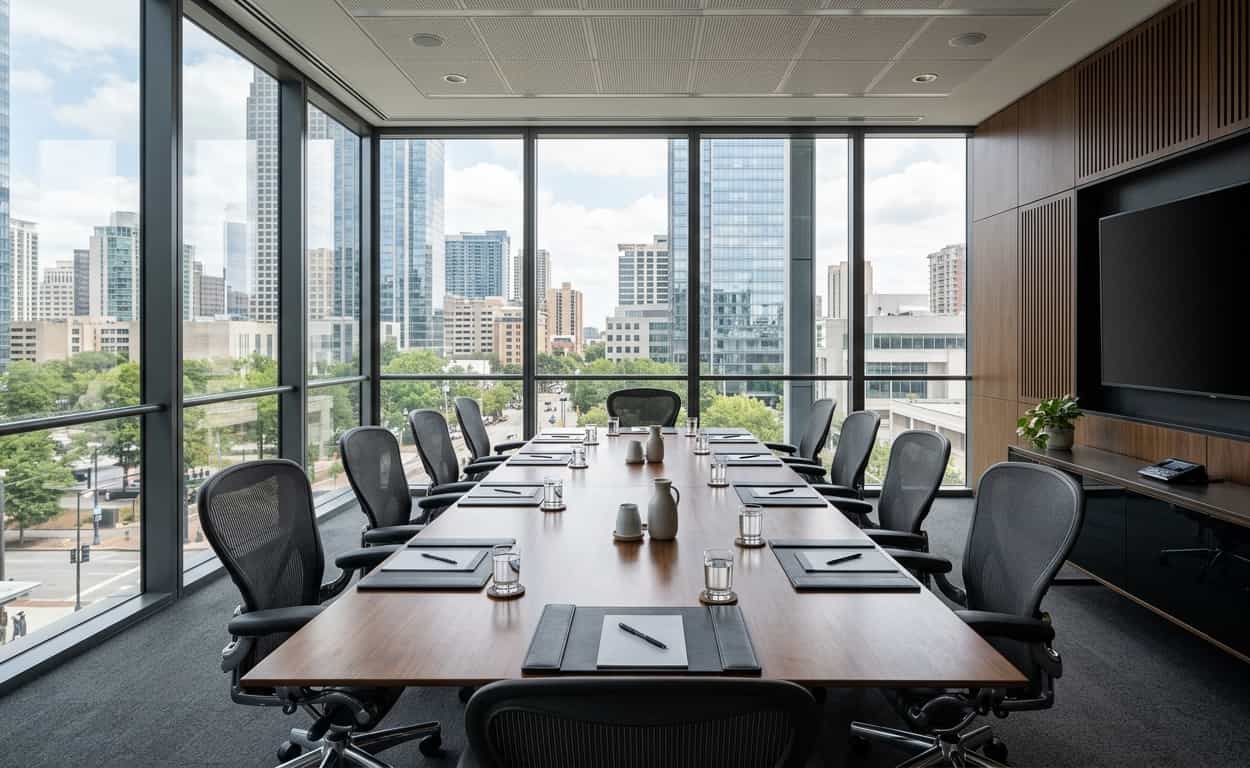
If clients are meeting with you in a conference room, this space directly impacts their comfort and focus.
Your conference table anchors the room. It should:
Boat-shaped tables encourage visibility and communication. Rectangular tables convey formality and structure. Round tables create a collaborative atmosphere. Choose finishes that resist scratches and fingerprints. A table that looks worn under overhead lighting can quietly damage perception.
Conference chairs should:
Uncomfortable seating distracts clients. If they’re shifting constantly or sitting rigidly, they’re not fully engaged in the discussion. Ergonomic seating signals that you value comfort and productivity, not just appearance.
Visible cords and tangled wires reduce professionalism instantly. Use furniture designed with:
Clean surfaces allow attention to stay on the conversation.
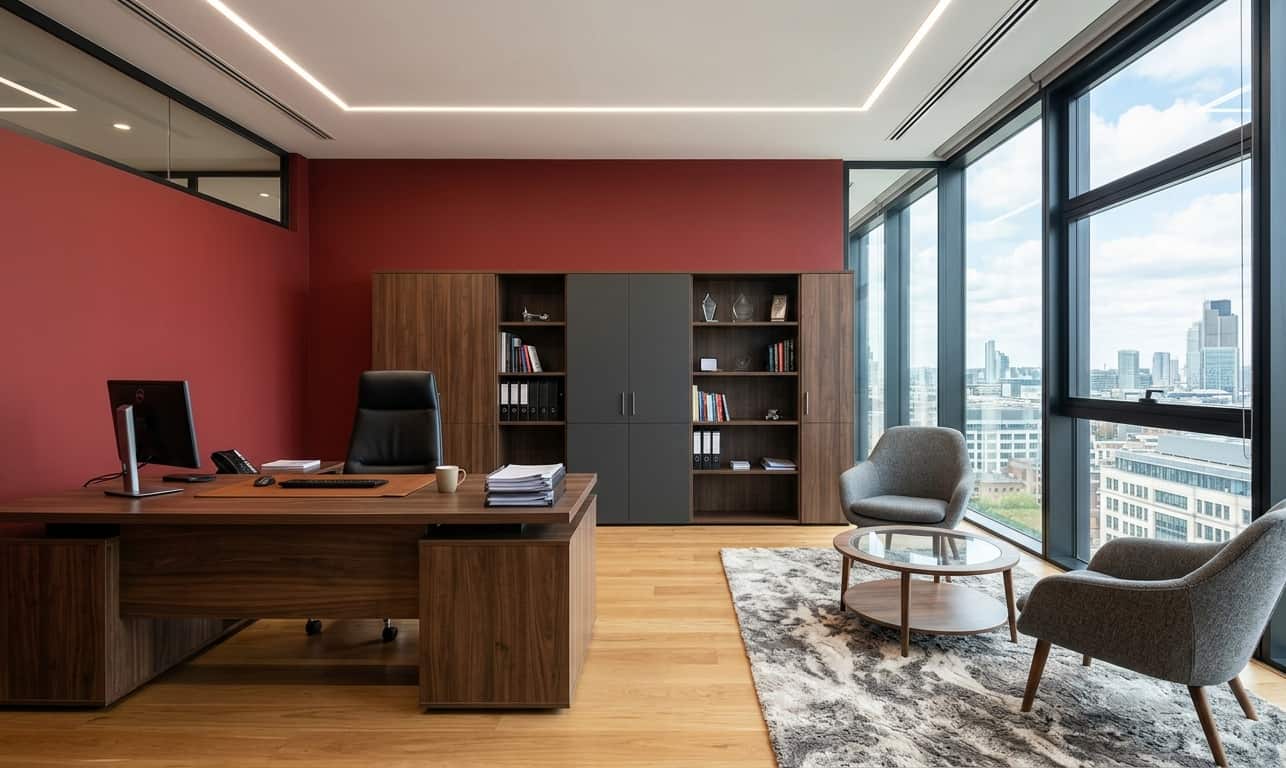
For executives and managers, office furniture must strike a balance between leadership and approachability.
An executive desk should:
Oversized desks in small rooms create distance. Undersized desks in large offices diminish authority. Choose durable finishes with clean lines. Avoid overly ornate styles unless your brand demands a traditional aesthetic.
Guest chairs in private offices should be:
Avoid low lounge chairs that make visitors feel awkwardly positioned.
Clutter is the fastest way to weaken an otherwise strong office design. Incorporate:
Closed storage reduces visual noise. Open shelving should be styled intentionally, not overloaded.
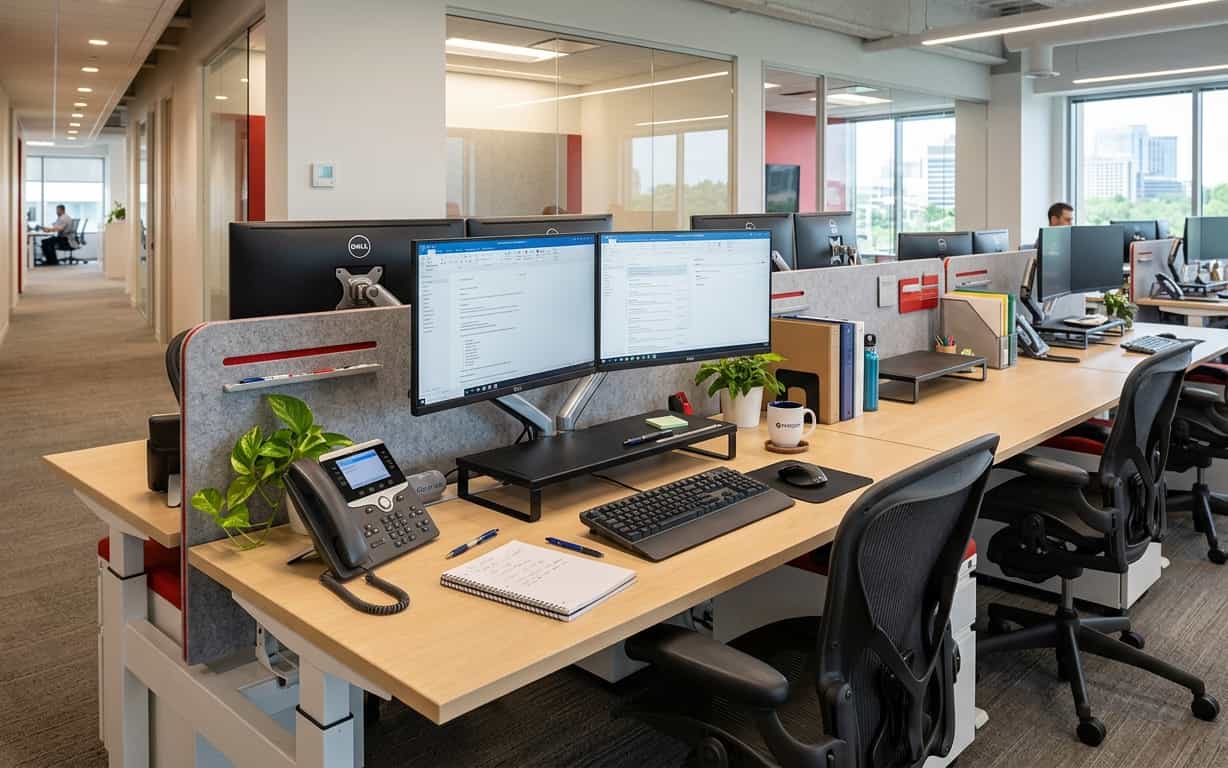
Even if clients don’t spend time in your open workspace, they see it in passing. And it matters.
Modern clients are observant. If your team works in cramped, outdated cubicles with damaged surfaces, it affects overall perception.
Uniformity communicates order. A patchwork of mismatched desks suggests disorganization. Well-designed workstations also improve employee morale, and confident employees reflect positively in client interactions.
Material choice influences perception more than most business owners realize.
The key is consistency and durability. Peeling edges, faded finishes, or chipped corners instantly lower perceived value.
Choose commercial-grade fabrics designed for heavy use. Look for:
Shiny vinyl in professional settings often feels dated. Breathable, modern textiles feel current and comfortable.
Cohesion does not mean everything must match exactly. It means everything belongs together. Consistency in:
Creates visual harmony. When furniture feels intentionally selected rather than randomly assembled, clients subconsciously register that your business is thoughtful and organized.
Clients notice more than aesthetics. If your team looks uncomfortable, constantly adjusting chairs, or leaning awkwardly over desks, it signals inefficiency.
Ergonomic furniture:
Task chairs with lumbar support, adjustable height desks, monitor arms, and keyboard trays contribute to a workspace that functions well. A well-functioning office looks confident. A dysfunctional one feels tense.
Many businesses focus only on style. But scale is often more important.
Furniture that is too large overwhelms a room. Furniture that is too small feels temporary.
Before selecting pieces, evaluate:
Balanced proportion creates comfort. Clients may not articulate it, but they feel it.
Even high-end furniture looks poor under harsh or insufficient lighting. Ensure:
Proper lighting enhances materials, reduces glare, and supports a polished environment.
You don’t need luxury furniture to make a strong impression. You need well-maintained furniture. Replace or repair:
Clients interpret visible wear as a sign of stagnation. Maintaining your furniture shows ongoing investment in your business.
If you notice any of the following, your furniture may already be hurting client perception, even if your service is excellent.
Older furniture isn’t automatically bad, but many offices hit a tipping point where pieces look dated, feel less supportive, and don’t meet modern expectations (ergonomics, power access, clean cable routing). If your space still reads “early 2000s,” clients can interpret it as stalled growth.
Clients notice small details because they’re scanning for professionalism. Watch for:
If you’ve started rotating “the bad chair” out of meeting rooms before client visits, that’s a clear sign.
A reception area that looks modern doesn’t help if the conference room feels outdated. Inconsistent styles across rooms can make your office feel pieced together rather than intentional. A cohesive look (finishes, colors, furniture profiles) signals stability and attention to detail.
If your space always feels messy, the issue may be furniture, specifically, a lack of storage and poor layout. Signs include:
When storage is inadequate, clutter becomes part of the brand experience.
Loose cords under conference tables, power strips on the floor, and tangled wires behind desks instantly reduce the “professional” feel. If your team relies on extension cords and makeshift setups, it’s time to upgrade to furniture that supports:
Client perception isn’t the only issue. Bad furniture affects how your team shows up. Common signs:
Ergonomic upgrades improve productivity and make your team look more confident and engaged.
Growth changes what your office needs. If you’ve expanded services, increased staff, rebranded, or shifted to more client-facing meetings, your furniture should support that. A mismatch between your company’s current level and your office environment can create doubt, especially for first-time visitors.
Workarounds are usually the final warning sign:
If the office requires constant patching, it’s more cost-effective to plan an upgrade.
Clients evaluate risk before committing to a company. Your office environment plays a role in that evaluation.
Professional furniture communicates:
When your space supports your expertise, conversations flow more naturally. Confidence builds. Decisions feel easier. Your office should reinforce your credibility, not quietly undermine it.
Office furniture that is clean, cohesive, and commercial-grade creates the strongest first impression. A professional reception desk, supportive guest seating, a well-proportioned conference table, and ergonomic chairs signal organization and credibility. Avoid mismatched or worn pieces, as they reduce perceived professionalism.
The reception area is critical. It’s the first physical interaction clients have with your business. A structured layout, durable seating, clean surfaces, and coordinated finishes immediately communicate stability and attention to detail.
Yes. Clients associate the quality and condition of your furniture with how you run your business. Well-maintained, modern furniture reinforces trust. Damaged, outdated, or cluttered spaces create doubt.
A professional conference room should include:
These elements support comfort, focus, and clear communication during meetings.
Most commercial office furniture lasts 10–15 years depending on usage. However, visible wear, outdated styles, employee discomfort, or company growth are signs that it’s time to upgrade sooner.
If your current workspace no longer reflects the level of service you provide, it may be time to reassess your furniture strategy. Thoughtful design, durable materials, cohesive layouts, and ergonomic solutions all contribute to stronger client impressions and better daily performance.
For offices in Brookfield, Stamford Office Furniture provides professional-grade solutions tailored to businesses that want their environment to reflect competence and credibility. Investing in the right furniture isn’t about appearance alone. It’s about creating a space that supports trust, productivity, and long-term growth.