
✔ Office furniture directly affects comfort, focus, and day-to-day performance.
✔ Natural light and a well-planned layout can boost mood and lower stress.
✔ Collaboration zones make teamwork easier and more consistent.
✔ Privacy and noise control help protect focus and reduce burnout.
✔ Organized workstations reduce distractions and support morale.
Workspaces shape how people feel and how they perform.
Office furniture isn’t just functional; it shapes what work feels like every day. It affects comfort and focus, stress levels, teamwork, and whether employees feel valued. When people spend eight or more hours in the same space, that setup can raise or lower motivation, mood, and engagement.
So it helps to look at the specific choices that make the biggest difference. Here are the key ways office furniture can boost productivity and morale.
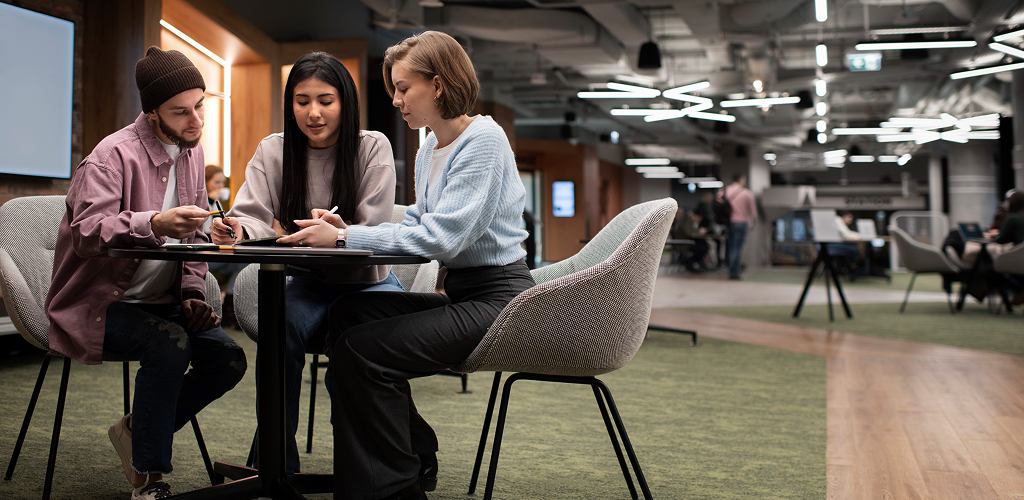
Physical discomfort is one of the most overlooked productivity drains in the workplace. An unsupportive chair, a desk set at the wrong height, or poorly positioned monitors can create strain that builds throughout the day. Over time, that strain turns into fatigue, and fatigue reduces focus, accuracy, and overall output.
Lighting quality has a direct impact on employee well-being and productivity, which makes it a key part of workplace design. Natural light can support healthier sleep rhythms and improve daytime alertness, while smart spacing helps reduce stress and keeps the office feeling calmer. Furniture placement also matters because it affects how light travels through the space and whether the layout feels open or cramped.
Creativity is shaped by the environment, not just by the people in it. A rigid setup can make it harder to share ideas, while a flexible space makes collaboration feel natural and encourages teams to think more openly. Furniture helps create the conditions for brainstorming, problem-solving, and creative work.
Not all productive work happens at a desk. Breakout areas create informal spaces for quick conversations, team connection, and mental resets, which help collaboration happen more naturally throughout the day. These spaces also reduce pressure on conference rooms by giving teams other places to meet.
Research from UCLA’s Center on Everyday Lives and Families links clutter to higher stress by increasing cortisol, which the brain can interpret as a sign of failure. When offices have the right storage and cable management, employees spend less time dealing with mess and more time staying productive, with essentials kept close without adding visual noise.
Open offices can support collaboration, but constant noise and visibility can make it harder to concentrate and recover from interruptions. Privacy-focused furniture provides quieter options for calls, deep work, and sensitive conversations without requiring permanent construction. This balance helps employees feel more comfortable and in control of their workday.
Teams change quickly as headcount shifts, schedules rotate, and departments reorganize. Flexible furniture makes those transitions easier by allowing the workspace to adapt without major disruption or wasted square footage. This improves day-to-day efficiency and helps employees feel supported as the workplace evolves.
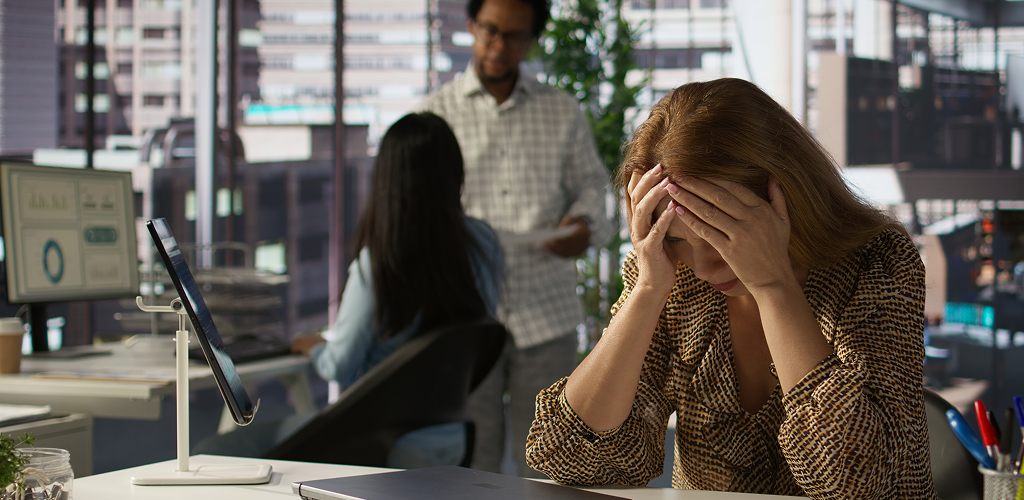
Outdated or poorly planned furniture has hidden costs:
Replacing furniture may seem like a capital expense. In reality, it can be an operational improvement.
When employees are more comfortable and engaged, performance gains offset initial investment. For growing companies in Brookfield, CT and surrounding areas, creating a high-performing workspace is not about aesthetics alone. It is about supporting teams in a competitive environment.
You do not need a full renovation to improve daily experience. Strategic updates can make a measurable difference.
➔ Start with ergonomics
➔ Reevaluate layout
➔ Add breakout spaces
➔ Improve acoustics
Office planning involves more than selecting desks and chairs. It requires understanding workflow, team dynamics, space constraints, and long-term growth plans.
Working with experienced office furniture professionals ensures:
For businesses in Brookfield and throughout Connecticut, having access to knowledgeable guidance simplifies the process and reduces costly mistakes. A partner who understands both performance needs and human factors can help create an environment that supports morale and productivity.
There is no set timeline, but furniture should be replaced when it no longer supports comfort, safety, or daily use. Chairs usually wear out faster than desks and storage. If adjustments no longer work or parts fail, replacement is typically the better option. Regular checks prevent gradual productivity loss.
Color affects how a space feels and how people work in it. Muted colors often support focus, while brighter accents can increase energy in shared areas. Too much contrast can feel distracting. Color choices should match the type of work happening in each area.
Yes, because small spaces feel the impact of layout and furniture decisions faster. Space-saving and multiuse pieces improve flow and reduce crowding. Better storage also makes limited space easier to manage. Upgrades can improve comfort without expanding the footprint.
Standardization improves consistency and makes replacements easier. It may not fit every role or work style, especially for employees who sit for long hours. A mixed approach often works better, with consistent design and role-based function. The priority should be fit and comfort, not uniformity.
Space measurements, power needs, and traffic flow should be confirmed first. Teams should also be assessed for how they work day to day, including meetings and hybrid schedules. Durability and warranty terms matter for long-term cost. Planning prevents ordering pieces that do not fit or function well.

A thoughtfully designed office directly impacts morale, focus, and team engagement. The right furniture, layout, and collaborative spaces create an environment where productivity and well-being support one another. Businesses in Brookfield, CT, benefit from strategic space planning that maximizes comfort, improves workflow, and reinforces company culture.
As a trusted office furniture provider serving Brookfield, CT, and surrounding areas, Stamford Office Furniture delivers tailored solutions that align workspace design with performance goals. Create a workplace in Brookfield, CT that supports both people and results.
Contact Stamford Office Furniture today to get started.