How the Right Office Furniture Improves Employee Productivity and Retention

Quick Facts

The right office furniture impacts productivity, comfort, and long-term business performance.

Ergonomic and supportive setups reduce fatigue, absenteeism, and costly turnover.

Workplace design influences employee engagement, morale, and retention.

Durable, well-planned furniture lowers long-term operational costs.

Office furniture should be treated as a strategic investment, not a cosmetic expense.

What’s In This Guide

Office furniture is often seen as decoration or an easy place to cut costs, but for businesses that care about results and long-term growth, it’s part of how the company runs. 

The setup people use every day affects how well they work, how they feel, and how long they stay, so furniture choices should support performance and retention, not just appearance.

What matters most isn’t the upfront cost, but the long-term return in productivity and retention.

Here’s how the right furniture helps employees work better, stay healthier, and remain with the company longer, leading to stronger results and lower turnover costs.

How Office Furniture Supports Employee Performance and Retention Over Time

1. Ergonomic Chairs Reduce Fatigue, Injury, and Sick Days

Musculoskeletal disorders are one of the primary reasons employees miss work. Different types of musculoskeletal disorders affect specific areas of the body and are often linked to the physical demands of certain jobs.  Poor seating contributes to back pain, neck strain, shoulder tension, and long-term injury.

An ergonomic chair:

    • Supports proper posture
    • Reduces spinal compression
    • Minimizes muscle fatigue
    • Improves circulation

When employees are physically supported, they experience fewer distractions caused by discomfort. They also take fewer sick days related to strain or chronic pain.

From a financial standpoint, the math is straightforward:

    • Fewer sick days = more consistent productivity
    • Reduced workers’ compensation claims
    • Lower healthcare-related costs
    • Less disruption to workflow

Fatigued employees produce less and make more mistakes. Ergonomic seating protects output. For leadership teams, that makes high-quality chairs a performance tool, not a luxury.

2. Comfortable Workstations Increase Focus and Output

Cognitive performance declines when employees are uncomfortable because physical strain pulls attention away from the task at hand. As a result, discomfort competes directly for focus. When someone is constantly adjusting a chair, shifting posture, or standing to relieve pain, mental concentration naturally drops.

A well-designed workstation includes:

    • Adjustable desks or an appropriate desk height
    • Monitor placement at eye level
    • Adequate leg clearance
    • Proper keyboard and mouse positioning
    • Supportive seating

These adjustments seem small, but they reduce physical strain that silently drains concentration. Comfort improves:

    • Sustained focus
    • Task completion speed
    • Accuracy
    • Deep work capability

For knowledge-based teams, output is tied directly to focus. If employees can concentrate for longer periods without physical distraction, productivity rises naturally.

3. A Supportive Environment Increases Employee Retention

Retention is a cost-control strategy. Replacing an employee often costs between 50% and 200% of their annual salary when factoring in recruiting, onboarding, training, and lost productivity.

The physical work environment plays a larger role in retention than many leaders realize.

Employees interpret their workspace as a signal:

    • Does the company invest in its well-being?
    • Does leadership care about long-term sustainability?
    • Is this an environment built for growth?

When employees sit in outdated, uncomfortable furniture, it communicates neglect. When they work in thoughtfully designed spaces with supportive seating and efficient layouts, it communicates value.

Comfortable, functional workspaces:
    • Reduce burnout
    • Increase job satisfaction
    • Improve morale
    • Encourage long-term commitment

4. Modern Office Furniture Strengthens Hiring Competitiveness

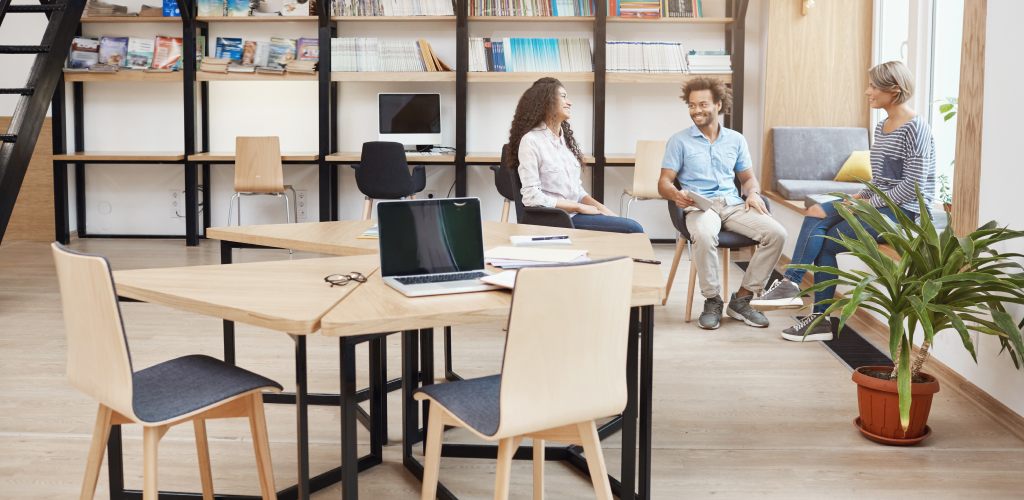
Collaboration workspace

Top talent evaluates more than compensation. Candidates assess culture, infrastructure, and work environment. An outdated workspace can undermine recruitment efforts. 

A modern, well-equipped office communicates professionalism, stability, and investment in employee success.

Prospective hires notice:

    • Ergonomic seating
    • Clean, organized workstations
    • Collaborative spaces
    • Private meeting areas
    • Functional layouts

In competitive hiring markets, the physical office can influence acceptance decisions. Businesses that invest in quality furniture position themselves as forward-thinking and employee-centered.

For growing companies in markets like Danbury, CT, where competition for skilled professionals exists across industries, workplace quality becomes a differentiator.

5. Smart Layouts Improve Workflow Efficiency

Productivity is not just about individual performance; it also depends on how efficiently the overall operation is structured and managed.

Poorly arranged workspaces create:

    • Bottlenecks
    • Unnecessary movement
    • Communication delays
    • Noise distractions
    • Reduced collaboration

Strategic office furniture planning improves operational flow. Examples include:

    • Workstations arranged to support team collaboration
    • Dedicated quiet zones for focused work
    • Conference areas that support efficient meetings
    • Storage systems that reduce clutter

When furniture is chosen with workflow in mind, teams can move faster, find what they need without delays, and collaborate more easily. This helps meetings run on time and work stay organized.

6. Durable Furniture Lowers Long-Term Costs

Budget-conscious leadership teams often focus on upfront price. However, low-cost furniture frequently leads to higher long-term expenses. Cheap chairs break, desks warp, drawers fail, and replacement cycles accelerate.

High-quality office furniture offers:

    • Longer lifespan
    • Stronger materials
    • Manufacturer warranties
    • Lower maintenance needs

When businesses invest in durable products, they reduce replacement frequency and minimize downtime caused by repairs. Furniture should be treated as capital infrastructure that supports long-term operational continuity.

7. Workplace Design Directly Impacts Morale and Engagement

Employee engagement affects profitability because engaged employees tend to work harder, stay longer, and take more ownership. Workspace quality plays a real role in that engagement, since a comfortable, well-designed office helps people feel supported and ready to do their best work.

Cluttered, outdated environments create:

    • Visual fatigue
    • Reduced motivation
    • Lower pride in the workplace

Organized, comfortable, modern spaces create:

    • Professional pride
    • Psychological comfort
    • A sense of stability

Furniture shapes how the workplace looks and feels. Clean lines, practical layouts, and a coordinated design make the office feel professional, which builds pride and comfort. That pride can raise engagement, leading to stronger performance and lower turnover.

5 Common Mistakes Businesses Make

Worker massaging his head while working

Many companies unintentionally undermine performance through poor furniture decisions. Common errors include:

Choosing Based Only on Price

Low-cost furniture often wears out faster and provides less support, which can lead to more replacements, more complaints, and lower daily performance.

Ignoring Ergonomic Needs

When seating and workstations don’t support posture and comfort, fatigue and discomfort increase, making it harder for employees to stay focused and consistent.

Skipping Layout Planning

Even good furniture underperforms in a poor layout, where noise, traffic flow, and spacing issues slow work and create distractions.

Buying Pieces Little by Little Without a Plan

Purchasing furniture over time without a clear standard can create mismatched work areas, uneven comfort, and a disorganized look that affects morale and efficiency.

Overlooking Long-Term Durability

Furniture that can’t handle daily use breaks down sooner, causing downtime, repair costs, and disruption that add up over time.

Why Professional Guidance Matters

Selecting office furniture is not simply ordering desks and chairs. It involves:

Space Planning

Office furniture needs to support how work moves through the office, not just fill a room. Planning placement, spacing, and traffic flow helps reduce bottlenecks and interruptions. It also ensures teams have the right balance of collaboration space and focused work areas.

Ergonomic Assessment

Different roles create different physical demands, so a one-size-fits-all setup rarely works well. An ergonomic assessment helps choose seating and workstation configurations that reduce strain and fatigue. Over time, that support can improve comfort, consistency, and reduce day-to-day distractions.

Budget Alignment

Professional guidance helps spend money where it makes the biggest difference instead of spreading the budget too thin. Prioritizing high-impact items first can prevent costly rebuys later. It also helps keep furniture spending tied to measurable business outcomes.

Growth Forecasting

Furniture decisions should account for changes in headcount, team structure, and office use. Planning ahead makes it easier to add seats or reconfigure spaces without replacing everything. This reduces disruption and protects long-term costs.

Design Consistency

A cohesive design creates a workspace that feels organized and professional rather than pieced together over time. Consistency across workstations, meeting areas, and shared spaces supports a stronger day-to-day experience. It also helps maintain a polished look for employees, candidates, and visitors.

Stamford Office Furniture is known for helping businesses create functional, performance-driven work environments. Expertise in ergonomic solutions, layout planning, and durable furniture options supports companies aiming to improve productivity and retention.

Frequently Asked Questions

How often should office furniture be updated?

It depends on how heavily the space is used and how well the furniture holds up. Some items last for many years, while others wear out sooner. If comfort drops, parts loosen, or the setup no longer fits how people work, it may be time to update. Regular check-ins help you avoid waiting until things become a problem.

Start with what people actually do each day and what gets in the way. Pay attention to comfort issues, space problems, and workflow slowdowns. It also helps to consider how the office might need to change over time. The best upgrades solve real problems, not just visual ones.

Yes, the space creates an immediate impression. A clean, professional setup can make the business feel more organized and reliable. A worn or messy workspace can raise doubts, even if the work is strong. It’s part of how the business presents itself.

Low-cost pieces can wear out quickly or become uncomfortable fast. Repairs and replacements can interrupt work and add hidden costs. If employees dislike using the furniture, it can also affect focus and satisfaction. The risk is paying less upfront but more over time.

Look for shifts in comfort complaints, absenteeism, and general feedback. You may also notice smoother workflows and fewer small delays. Results can take time, so trends matter more than immediate reactions. A simple before-and-after review can reveal what improved.

Build a More Productive Workplace in Danbury, CT

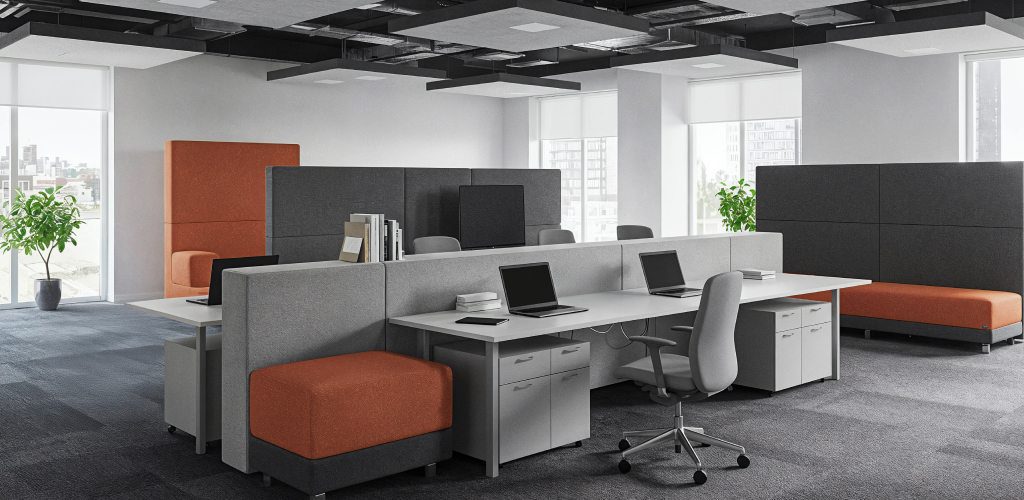
Aesthetic Office Furniture

A well-planned office environment supports stronger performance, better retention, and long-term cost control. The right furniture setup improves comfort, workflow, and daily efficiency while reinforcing a professional image. Businesses in Danbury, CT, looking to upgrade or redesign their workspace can benefit from working with an experienced provider that understands layout planning, ergonomics, and durable solutions.

Stamford Office Furniture proudly serves companies throughout Danbury, CT, with practical, performance-driven office furniture designed for long-term results.

Contact Stamford Office Furniture today to discuss office furniture solutions in Danbury, CT.