

✔ Office chairs typically last 7–10 years; desks and panel systems last 15–20 years.
✔ Repair makes sense when structural integrity is intact, and costs stay below 50% of replacement.
✔ Replace furniture when safety, ergonomics, or space efficiency are compromised.
✔ Reconfiguration can extend cubicle life without full replacement.
✔ Proactive audits every 3–5 years prevent emergency spending and productivity loss.
Office furniture is a capital asset, not a disposable expense.
Desks, chairs, workstations, and storage systems affect productivity, comfort, safety, and brand perception. Yet many companies treat furniture as a one-time purchase rather than an investment with a measurable lifespan.
So, how long does office furniture actually last? And how do you know when it makes financial sense to repair instead of replace?
Here’s what business owners, office managers, and facility directors in Danbury, CT, and surrounding areas need to know.
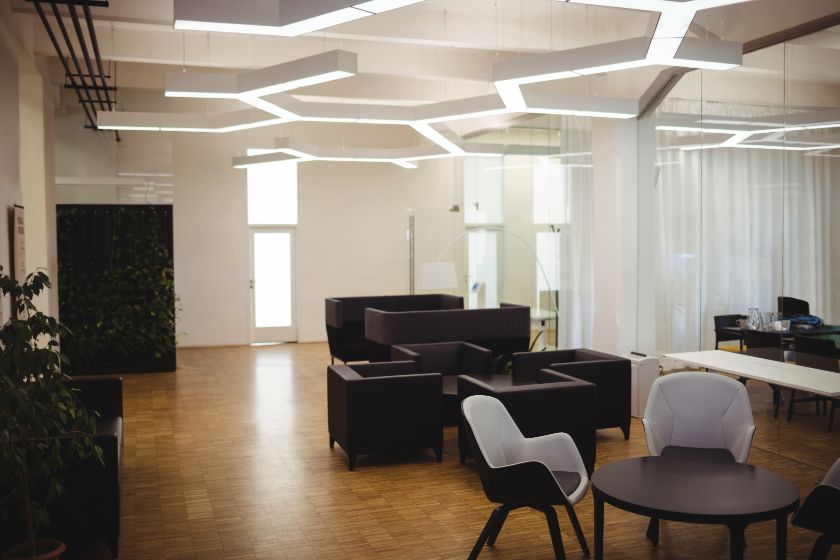
Not all office furniture is built the same. Quality, usage, environment, and maintenance all impact longevity.
Below are realistic lifespan ranges for commercial-grade furniture:
High-quality ergonomic chairs typically last 7–10 years in a standard 40-hour workweek environment. In high-use environments (call centers, shared desks), it can drop to 5–7 years.
Key wear points:
Low-cost residential-style chairs often fail within 2–4 years under commercial use.
Commercial laminate or veneer desks can last 10–15 years. Solid wood and higher-end modular systems may last 15–20+ years if maintained.
Failure is rarely structural. Instead, you’ll see:
If the structure is solid, these pieces often qualify for repair or refinishing rather than replacement.
Modular panel systems are designed for longevity. Frames often outlast fabric panels.
Common issues:
If the system is structurally intact, reconfiguring or updating surfaces can extend life significantly.
Metal storage units are among the most durable office assets. Failures usually involve:
These are typically repairable unless corrosion is severe.
High-end boardroom furniture can last decades with proper care. Cosmetic refinishing is often more cost-effective than full replacement.
Even quality furniture fails early under certain conditions.
Shared desks, training rooms, and healthcare or service environments accelerate wear.
Chairs adjusted incorrectly or used outside weight ratings fail faster.
Loose bolts, uncleaned casters, and ignored minor damage escalate into structural issues.
Humidity, sunlight exposure, and temperature swings can warp wood, fade fabrics, and weaken adhesives.
Budget furniture saves money upfront, but often costs more over time due to frequent replacement.
Repair isn’t always the smart move. Here are objective indicators that replacement is the better investment.
If a chair base cracks, a desk frame warps, or panel systems lose rigidity, repair may be unsafe or temporary.
Modern workplaces prioritize adjustable seating, sit-stand desks, and improved support. If your furniture cannot support employee health, replacement is strategic—not cosmetic.
If you’ve fixed the same piece multiple times in two years, replacement is usually more cost-effective.
Outdated furniture affects client perception. Worn surfaces, mismatched systems, and dated finishes signal stagnation.
Old cubicle layouts often waste square footage. Replacing them with modern modular or benching systems can increase usable capacity.
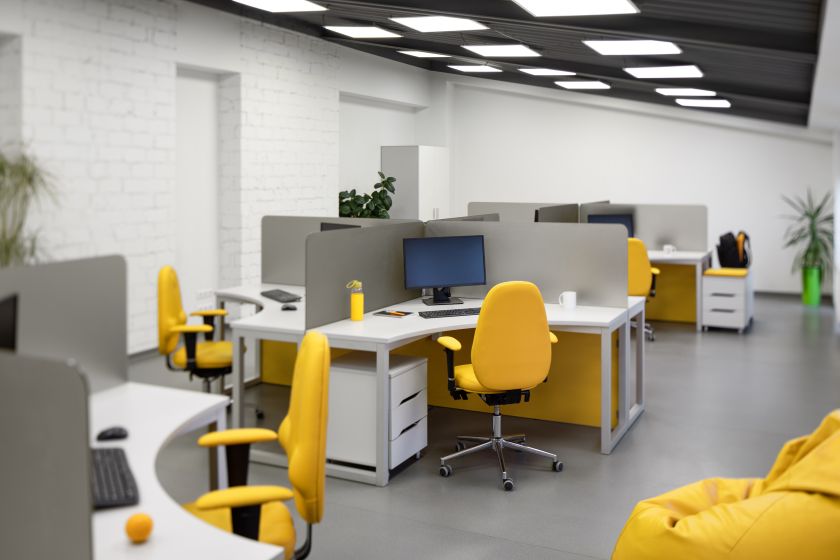
Repair is viable when the structure is intact and damage is limited.
Examples:
In many cases, especially with higher-end commercial furniture, repair extends lifespan by 5–10 years.
Uncomfortable seating reduces focus. Studies show ergonomic discomfort directly impacts productivity and absenteeism.
Broken casters, unstable desks, or sharp laminate edges increase injury risk.
Emergency replacement limits your ability to compare vendors, plan layouts, or negotiate pricing.
Work environment quality matters. Modern talent expects functional, comfortable spaces.
Delaying replacement can cost more in lost performance than the furniture itself.
Use this structured approach.
If the core frame is compromised, replace it.
If repair exceeds half the replacement price, replacement is usually smarter long-term.
Are you hiring? Reconfiguring? Downsizing? If layout needs are changing, replacement may align better.
Client-facing areas (reception, conference rooms) carry higher reputational weight.
Will this furniture support you for the next 7–10 years? If not, upgrade strategically.
Rather than reacting to failure, businesses benefit from a rolling furniture plan.
This approach avoids large, disruptive capital expenses.
Cheap furniture often doubles replacement frequency.
For example:
Beyond durability, quality furniture offers:
In commercial environments, durability pays.
Sometimes you don’t need new furniture—you need a better layout. Panel systems, modular desks, and collaborative furniture can often be reconfigured to:
Before replacing everything, evaluate whether reconfiguration solves the issue.
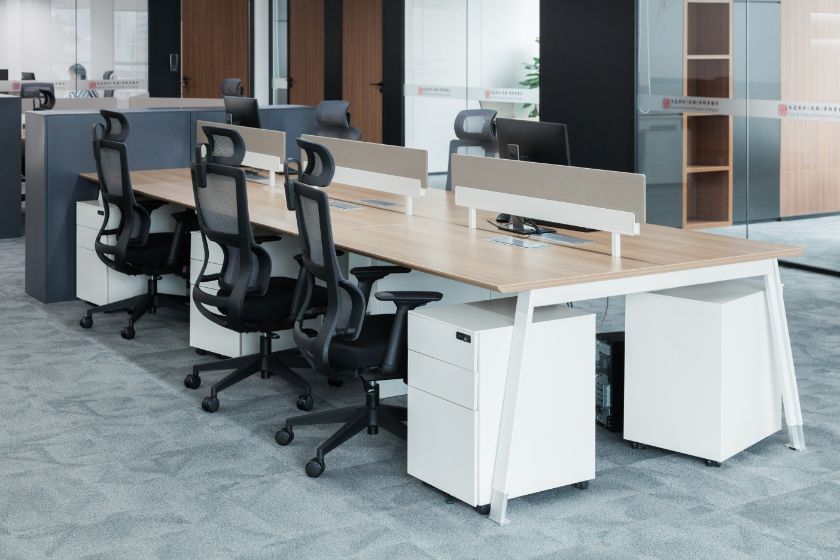
Businesses in Fairfield County face:
Efficient, professional office environments are not optional. Furniture decisions affect space utilization and brand perception. Upgrading strategically can improve square footage efficiency, especially important in high-cost markets.
Repairing furniture reduces landfill waste. Many commercial pieces are designed for part replacement rather than disposal.
If sustainability matters to your company, prioritize:
However, outdated furniture that wastes space or energy may negate those gains. Sustainability should align with operational efficiency.
Conduct a simple internal assessment:
Check structural stability, surface wear, hardware, and mechanisms.
Divide into:
Ask:
This structured review clarifies the next steps.
| Situation | Recommendation |
| Broken chair cylinder, solid frame | Repair |
| Warped desk frame | Replace |
| Faded cubicle fabric | Re-panel |
| Outdated layout reducing capacity | Replace or reconfigure |
| Cosmetic scratches on the conference table | Refinish |
| Repeated mechanical failures | Replace |
Most commercial office furniture should be evaluated at the 7–10 year mark. Chairs often need replacement first (around 7–10 years), while desks, storage, and panel systems can last 15–20 years, depending on quality and use.
Repair is cost-effective when the structure is intact, and repair costs are under 50% of replacement. Replacement is smarter when furniture has structural damage, repeated mechanical failure, or no longer supports ergonomic or space needs.
High-quality ergonomic chairs typically last 7–10 years in standard office use. Lower-cost chairs may last only 3–5 years. Heavy daily use reduces lifespan.
Signs office furniture needs to be replaced include structural instability (wobbling desks, unsafe chairs, cracked frames), ergonomic adjustments that no longer work, seat cushions that stay flat and uncomfortable, surfaces that are warped or peeling (like delaminating laminate), and outdated layouts that waste space or don’t support how your team works today.
Yes. If frames are structurally sound, cubicles can often be reconfigured, re-paneled, or refinished. This extends lifespan and reduces costs compared to full replacement.
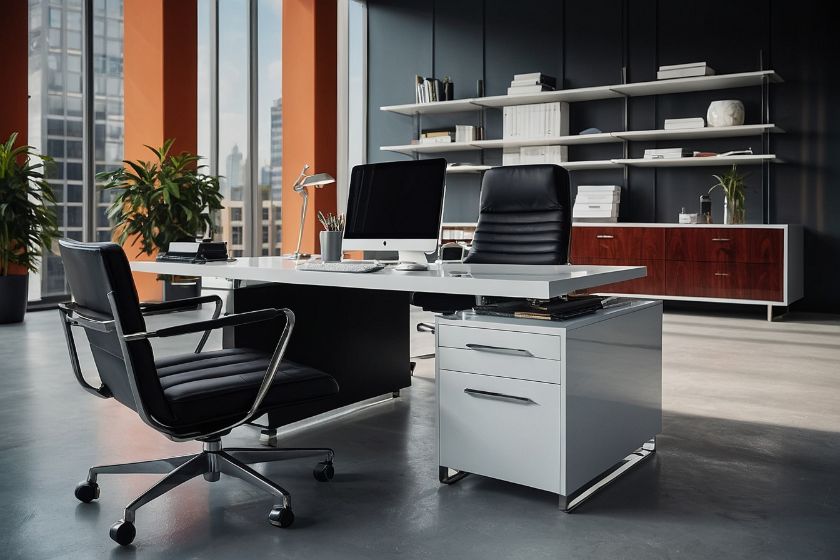
Office furniture typically lasts 7–20 years, depending on type and quality. The better question is not how long it lasts, but whether it still supports your business goals. Repair when the structure is strong, and costs stay below 50%. Replace when safety, ergonomics, branding, or operational efficiency decline.
If your office in Danbury needs a professional assessment, Stamford Office Furniture can help you evaluate your current setup and plan improvements that align with your space, budget, and long-term growth.