Businesses are rethinking office furniture faster than at any point in the last decade. Shifts in work models, rising real estate costs, employee expectations, and health-focused design have changed what companies look for when furnishing their offices. The priority is no longer filling space. It is creating environments that support productivity, flexibility, and long-term value.
For businesses in and around Danbury, CT, these trends are not abstract ideas. They directly affect how teams work, collaborate, and stay competitive. Understanding which office furniture trends are gaining traction this year helps decision-makers make smarter investments that align with both current needs and future growth.
Quick Facts: Office Furniture Trends Businesses Should Know
✔ Modular and reconfigurable furniture supports hybrid work and changing team sizes.
✔ Adjustable desks and supportive seating are baseline expectations, not perks.
✔ Furniture must support teamwork without increasing noise or distraction.
✔ Built-in power and cable management improve efficiency and reduce clutter.
✔ Durable, adaptable furniture lowers total ownership costs.
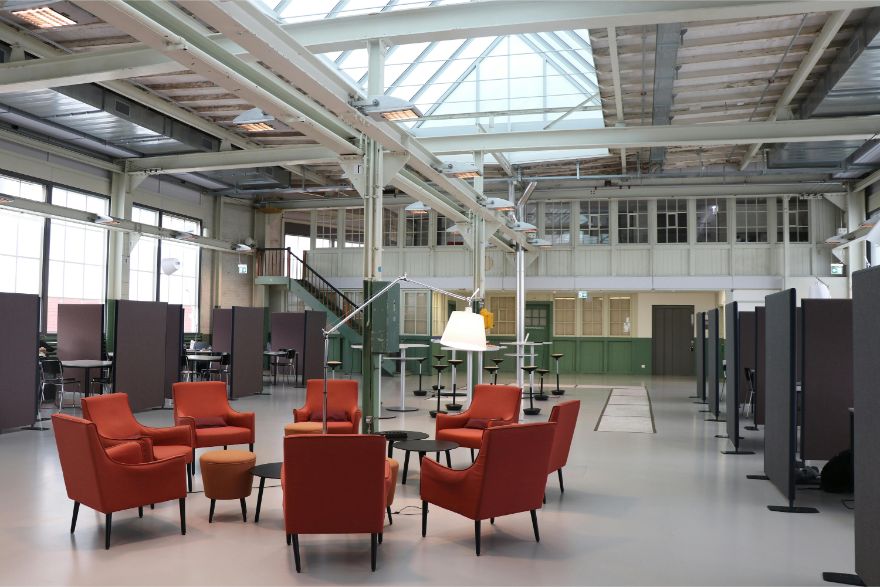
Rigid office layouts are being replaced by adaptable furniture systems that can change as business needs evolve. Modular desks, reconfigurable workstations, and mobile storage units allow companies to quickly adjust layouts without major renovation costs.
This trend is driven largely by hybrid work models. Offices are no longer designed for full attendance every day, which means space must serve multiple purposes. A conference area in the morning may need to function as collaborative workstations in the afternoon.
Modular furniture supports:
Businesses are prioritizing furniture that can grow with them instead of locking them into a single layout.
Ergonomic office furniture is no longer viewed as a premium upgrade. It has become a baseline expectation. Companies are recognizing that discomfort leads to lower productivity, higher absenteeism, and increased risk of workplace injuries.
This year, businesses are investing more intentionally in:
These pieces are chosen not only for compliance but for long-term employee health. With many workers splitting time between home and office, employers are making their in-office environments noticeably more supportive and comfortable.
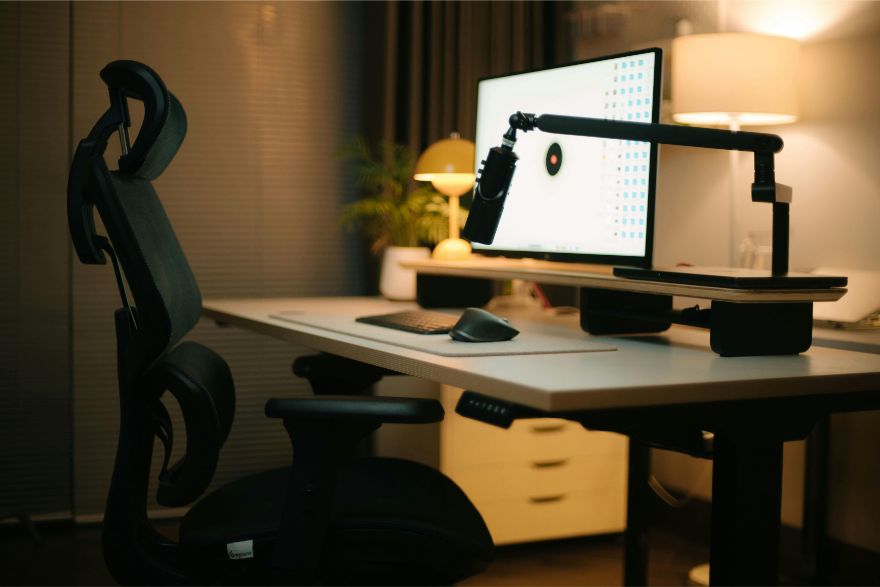
Sit-stand desks continue to gain momentum, but the approach has matured. Rather than offering a few adjustable desks as an optional feature, many businesses are standardizing them across departments.
The focus has shifted from novelty to usability.
Companies are choosing:
This trend reflects a broader emphasis on movement throughout the workday. Businesses see adjustable workstations as a practical way to reduce fatigue and improve posture while supporting diverse working styles.
Open offices did not disappear—but they evolved. Businesses are now balancing collaboration with the need for focus. Furniture plays a major role in striking that balance.
This year’s collaborative furniture trends include:
Instead of fixed conference rooms being the primary collaboration space, companies are distributing collaboration zones throughout the office. Furniture is selected to encourage quick discussions without disrupting focused work nearby.
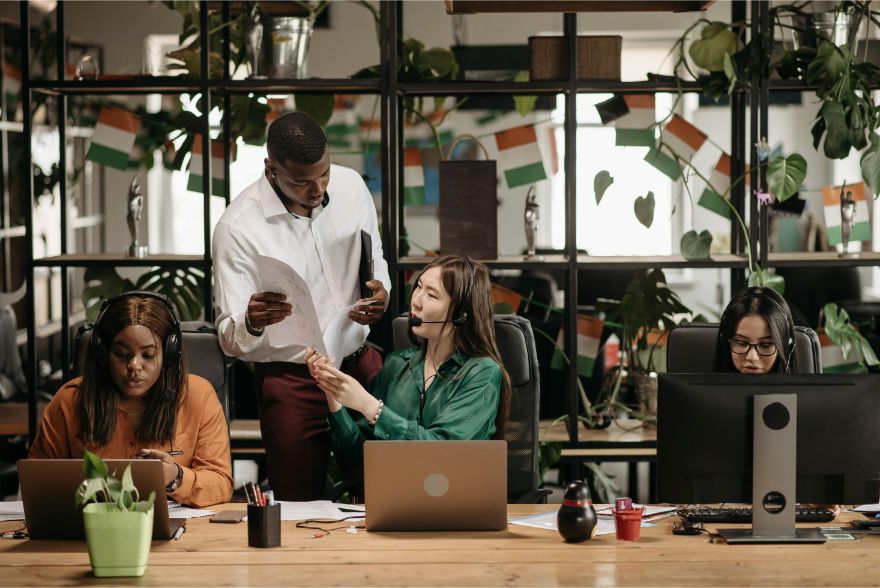
Furniture that improves acoustics is now seen as a functional necessity rather than a design extra. Noise management has become a major concern in hybrid and open-plan offices. Instead of relying solely on architectural changes, businesses are turning to furniture-based acoustic solutions.
Popular options include:
These solutions allow companies to control noise levels without sacrificing flexibility.
Sustainability continues to influence purchasing decisions. Businesses are paying closer attention to where furniture comes from, how it is made, and how long it will last.
Key sustainability trends include:
This shift is not only about environmental responsibility. Durable, well-made furniture often reduces long-term replacement costs, making sustainability a practical business decision.
As technology becomes more embedded in daily work, furniture is evolving to support it seamlessly. Businesses are prioritizing clean, cable-managed solutions that reduce clutter and improve efficiency.
Common features include:
Rather than adding technology after the fact, companies are choosing furniture designed with connectivity in mind. This results in cleaner workspaces and fewer distractions.
Offices are becoming more comfortable and less institutional. Residential-inspired furniture is influencing how businesses design their spaces, particularly in reception areas, break rooms, and collaborative zones.
This trend includes:
The goal is to create an environment employees want to return to, especially in hybrid work models where the office must offer something home cannot.
Rising commercial real estate costs have pushed businesses to rethink how they use space. Furniture that maximizes efficiency without sacrificing comfort is in high demand.
Businesses are adopting:
This trend is particularly relevant for growing companies that need to make the most of their existing footprint while planning for future expansion.
Businesses are moving away from generic furniture packages. Instead, they are choosing customized solutions that align with their workflow, brand identity, and space constraints.
Customization may involve:
This approach ensures that furniture supports how teams actually work rather than forcing them to adapt to the furniture.
Short-term savings are no longer the primary driver in office furniture decisions. Businesses are increasingly focused on durability and total cost of ownership.
This means selecting:
Investing in quality furniture reduces downtime, replacement costs, and disruptions over time.
Health considerations now extend beyond posture. Businesses are choosing furniture that supports overall well-being.
This includes:
The office is being viewed as a tool for supporting employee health, not just a place to work.
Flexible, modular furniture systems and ergonomic workstations are the most widely adopted options. Businesses want furniture that adapts to hybrid work models while supporting employee comfort.
Yes. Sit-stand desks remain a strong investment because they promote movement, reduce fatigue, and accommodate different working preferences throughout the day.
Well-designed furniture reduces physical discomfort, minimizes distractions, and supports efficient workflows, all of which contribute directly to higher productivity.
Businesses should focus on ergonomics, flexibility, durability, and how well furniture supports collaboration and technology needs.
High-quality commercial office furniture can last 7–15 years or longer when chosen correctly and maintained, making durability a key purchasing factor.
Office furniture trends this year reflect a clear shift toward flexibility, health, and long-term value. Businesses that align their furniture choices with these trends are better positioned to support productivity, adapt to change, and attract talent.
Working with an experienced office furniture provider can help ensure these decisions are made strategically rather than reactively. Companies like Stamford Office Furniture help businesses in the Danbury area navigate these trends with practical solutions designed for real-world work environments.