

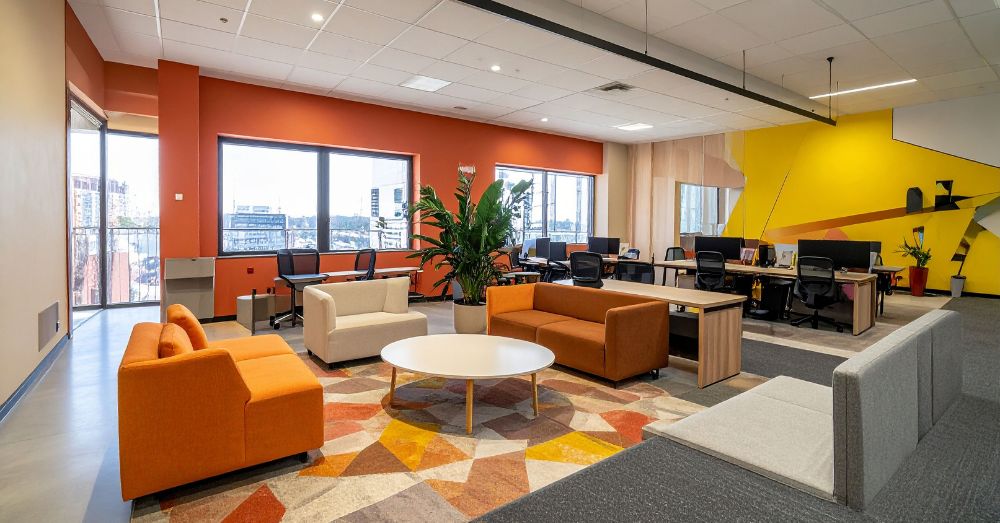
The way an office is set up can really impact how well people work and how they feel. Feng Shui, an old practice from China, looks at how energy flows in a space. It’s about making a workspace feel balanced and good for everyone. By using Feng Shui ideas, offices can become places where people feel more focused, creative, and generally happier.
Here’s a guide on how to arrange an office in 2025 using these principles to help make work better.
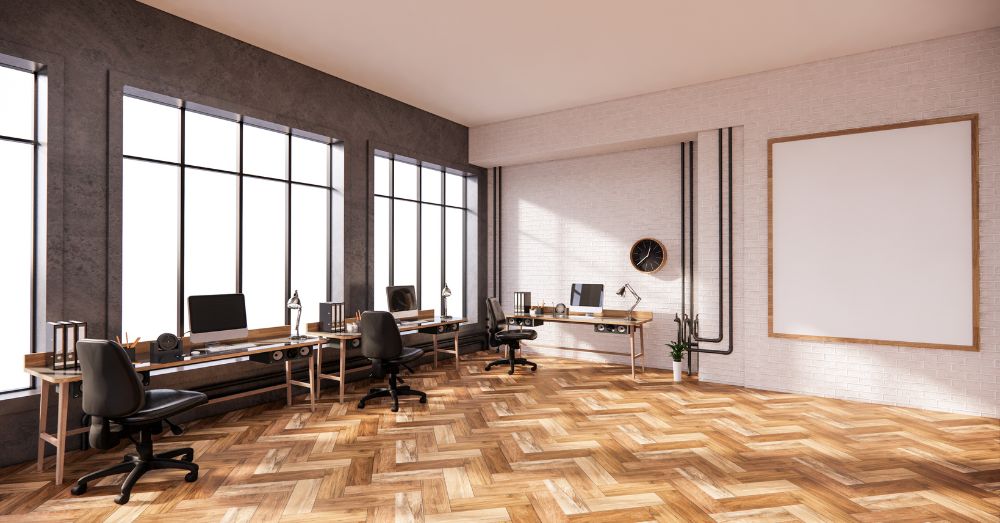
Feng Shui, an ancient practice that focuses on harmonizing individuals with their surroundings, provides a framework for creating workspaces that support productivity, well-being, and success. It involves understanding how energy, known as ‘chi,’ flows through a space and how to optimize that flow for positive outcomes.
These principles can help guide the organization of your workspace, impacting everything from focus to prosperity. A well-designed feng shui office layout can make a noticeable difference in daily work life.
Chi, or vital energy, is believed to flow through everything in our environment, including people, objects, and the air itself. In an office setting, the smooth and balanced movement of chi is paramount. When chi flows freely and gently, it promotes clarity, creativity, and a sense of calm.
Conversely, blocked or stagnant chi can lead to feelings of stress, fatigue, and a lack of progress. Sharp corners, cluttered pathways, or direct alignment with doors can cause chi to rush too quickly or dissipate, negatively impacting the occupants.
The goal is to guide chi in a way that feels supportive and invigorating, preventing it from becoming too fast or too slow. This careful management of energy flow is a cornerstone of an effective feng shui office.
Feng Shui identifies five fundamental elements that interact with each other. Achieving a balance among these elements in your office is key to creating a harmonious atmosphere.
The placement of your office desk is a foundational element in creating a workspace that supports focus and success. In a Feng Shui office layout, the desk is considered a primary point of energy flow, and its position can significantly influence one’s sense of control, security, and productivity.
The ‘command position’ is a core concept in Feng Shui office desk layout. This position allows you to see the entrance to the room without being directly in line with the door. This placement offers a symbolic sense of awareness and control, enabling you to face opportunities and potential challenges proactively.
Ideally, your desk should be positioned so that your back is supported by a solid wall or a tall, stable piece of furniture, such as a bookshelf or cabinet. This provides a feeling of security and stability, much like having a strong foundation.
For a Feng Shui office desk layout that promotes general productivity and career advancement, facing the door is often recommended. However, direct alignment with the door can create an overwhelming rush of energy. Instead, a slight angle or the use of a strategically placed plant or screen can moderate this flow.
The type of support behind you is also important; a solid wall is preferred over an open space or a window. For those in leadership roles, facing North is often suggested for calm decision-making, while facing East can encourage fresh ideas, and South can boost motivation.
If you cannot see the door directly from your desk, a well-placed mirror can be used to reflect the entrance. In a Feng Shui office desk layout, the mirror mustn’t directly face the door, as this can bounce energy back out.
Instead, position it to the side. Similarly, low partitions or screens can create a sense of enclosure and protection. These elements are particularly useful in open-plan offices or Feng Shui home office setups where the workspace may be part of a larger room.
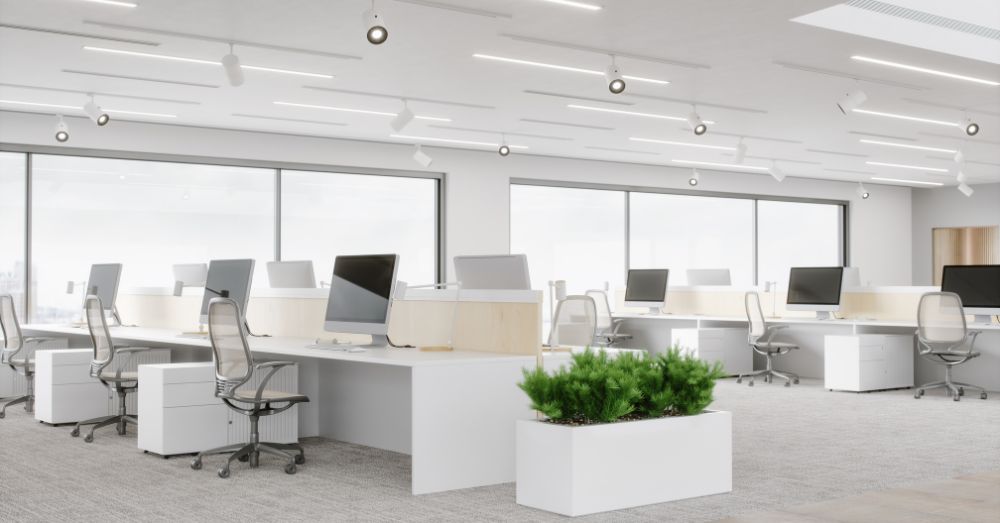
The furniture chosen for an office space impacts how Chi moves through the area. Thoughtful selection and placement can lead to a more productive and harmonious work environment.
Natural materials are generally preferred in Feng Shui for their grounding and organic qualities. Wood, for instance, is associated with growth and vitality, making it a popular choice, especially for a a Feng Shui office layout with window views.
When considering desk shapes, a rectangular desk is a classic option that provides a sense of stability and order. However, for a smoother flow of energy, desks with gently rounded edges or a slightly curved front can be beneficial, as sharp corners can sometimes create disruptive energy.
Beyond aesthetics and energy flow, the physical comfort and support provided by furniture are important. Ergonomic chairs and adjustable desks are designed to promote good posture and reduce physical strain.
From a Feng Shui perspective, maintaining good posture helps the body’s own energy flow more freely. Investing in ergonomic furniture that supports physical well-being is therefore a practical step towards a more efficient workspace.
For computer stations, it is generally advised to avoid placing a desk directly in line with the door, as this can create a sense of vulnerability. Instead, positioning the desk so that one can see the door without being directly in front of it is often recommended.
Additionally, ensure that there is adequate space around workstations to allow for easy movement and to prevent a feeling of being cramped. This clear pathway for movement supports the free circulation of energy throughout the office.
A Feng Shui office layout with window views is fundamental to the positive flow of energy, especially when it’s free of clutter. By actively managing and reducing clutter, individuals can promote mental clarity, reduce distractions, and create an environment that supports productivity and well-being.
Clutter acts as a barrier to the smooth movement of Chi. To counter this, a systematic approach to decluttering is advised.
Proper storage is key to maintaining an organized workspace. The goal is to keep items accessible yet out of sight, thereby reducing visual noise and promoting a sense of calm.
Once a clutter-free state is achieved, maintaining a Feng Shui office layout with window views requires consistent effort and the development of good habits. A tidy workspace directly contributes to mental clarity and efficiency.
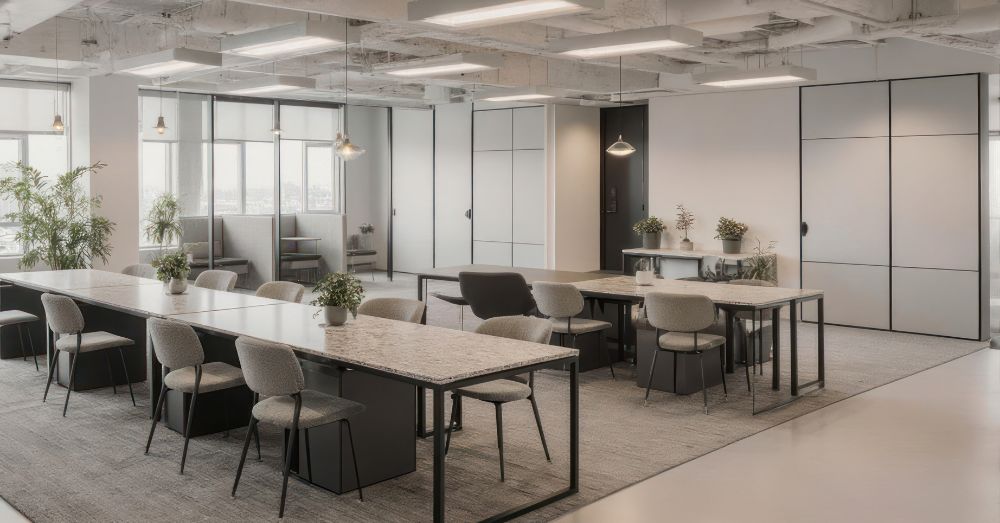
The main idea of Feng Shui for an office is to arrange the space so that positive energy, called ‘Chi,’ can flow smoothly. This helps create a calm, productive, and successful work environment that feels balanced and supportive for everyone involved.
The ‘command position’ is the best spot for your desk. It means you should be able to see the door when you’re sitting at your desk, but you shouldn’t be directly in line with it. Ideally, your back should be against a solid wall for a feeling of support and security.
Clutter is seen as a blockage to good energy. When an office is messy, it can make it hard to think clearly and can slow down productivity. Keeping things tidy helps energy flow freely, which leads to better focus and efficiency.
Natural light is very important because it brings good energy and can improve mood. Plants are also great because they bring life and freshness into the space.
Yes, colors can affect the mood and energy of a space. For offices, colors like blues and greens can be calming and promote focus, while earthy tones can bring a sense of stability.
Absolutely. Feng Shui principles can be adapted for any type of workspace, including a Feng Shui home office and shared areas like co-working spaces. The goal is always to create a harmonious flow of energy, no matter the size or setup of the office.
So, we’ve talked a lot about Feng Shui for the office, covering everything from where to put your desk to how to deal with clutter. The main idea is to create a space that feels good to be in and helps you get your work done. It’s not about following strict rules, but more about making smart choices that support your energy and focus.
Think about getting some good quality furniture, like what Herman Miller makes. Stamford Office Furniture in New Haven, CT, has a great selection that can really make a difference in how your office feels and functions. Give these ideas a try and see how your workspace can transform.