How to Clean Veneer Wood: Expert Tips for Caring for Veneer Furniture

Table of Contents

KEY TAKEAWAYS

Veneer furniture offers the beauty of real wood but needs gentle, consistent care to last.

Deep clean regularly with mild solutions, always testing products before use.

✔ Prevention is key—use coasters, protect from sunlight, and control humidity.

The biggest threats to veneer are moisture, harsh chemicals, and abrasive materials.

Consistent care and smart maintenance keep veneer furniture stylish and professional for years.

Veneer furniture is a favorite in workplaces because it delivers the sophistication of real wood without the high cost. From conference tables to executive desks, veneer adds elegance and warmth to professional spaces. But unlike laminate or solid wood, veneer requires its own care routine.

veneer wood maintenance

What is Veneer Wood and Why Does It Need Special Care

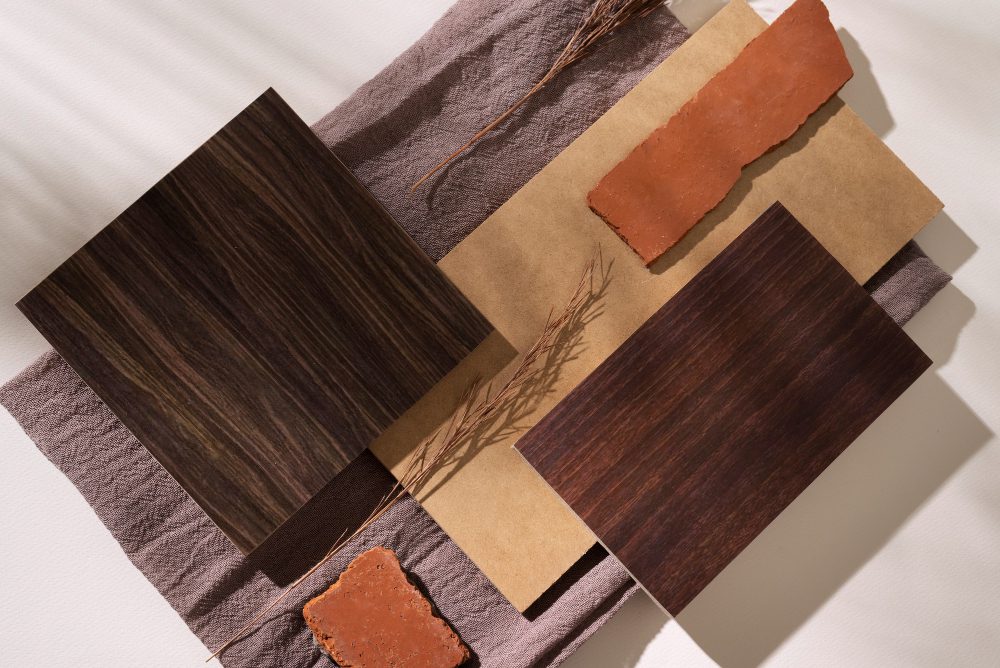
Veneer is a thin slice of natural wood bonded to a core material (like MDF or particleboard). This gives you the look of premium wood at a fraction of the cost while also using fewer natural resources.

Unlike plastic laminates (often called fake wood furniture), veneer still behaves like real wood, reacting to moisture, temperature, and light. That’s why it requires a more delicate approach. Without proper veneer wood maintenance, surfaces can warp, fade, or peel over time.

For offices, this matters: veneer desks, tables, and cabinets are used daily and seen by clients, staff, and partners. Proper care not only extends the furniture’s life but also maintains a polished, professional appearance.

Routine Cleaning for Veneer Surfaces

The best way to care for veneer surfaces is through consistency. Small daily or weekly habits can prevent damage and maintain appearance. Whether you’re focusing on veneer desks or wondering how to clean fake wood furniture in breakrooms, a weekly wipe-down keeps everything looking sharp.

✔ Dust Regularly

Dust may seem harmless, but over time, particles can act like fine sandpaper, dulling the surface. Using a soft microfiber or lint-free cloth, gently sweep away dust and debris. Microfiber is especially effective because it traps particles instead of just pushing them around.

✔ Wipe with the Grain

As with solid wood, veneer looks its best when cared for in the direction of its grain. Always follow the direction of the wood grain rather than moving in circles or random patterns. This isn’t just about aesthetics; it reduces streaks and ensures you’re not pushing dust into tiny grooves. It also mimics how veneer was originally finished, helping maintain its natural look.

✔ Blot Spills Immediately

Even small spills can cause lasting damage. When liquid contacts veneers, it should be blotted immediately with a soft cloth. Blotting absorbs liquid instead of spreading it, which prevents seepage into the seams or under the surface layer—a very essential step in how to clean a veneer table top.

✔ Don’t Forget Hidden Spots

The tops of cabinets, under desk edges, and around drawer handles collect dust quickly. These overlooked areas can transfer dirt to the main surface and shorten the life of your veneer finish.

5 Steps to Deep Clean Veneer Wood Safely

Even with consistent dusting, veneer furniture in offices can collect grime and will eventually need more than a quick wipe-down. To keep veneer surfaces polished and professional, deeper cleaning is essential—but it has to be done with care.

Here’s how to clean veneer wood without damaging it:

Step 1. Dampen a Cloth

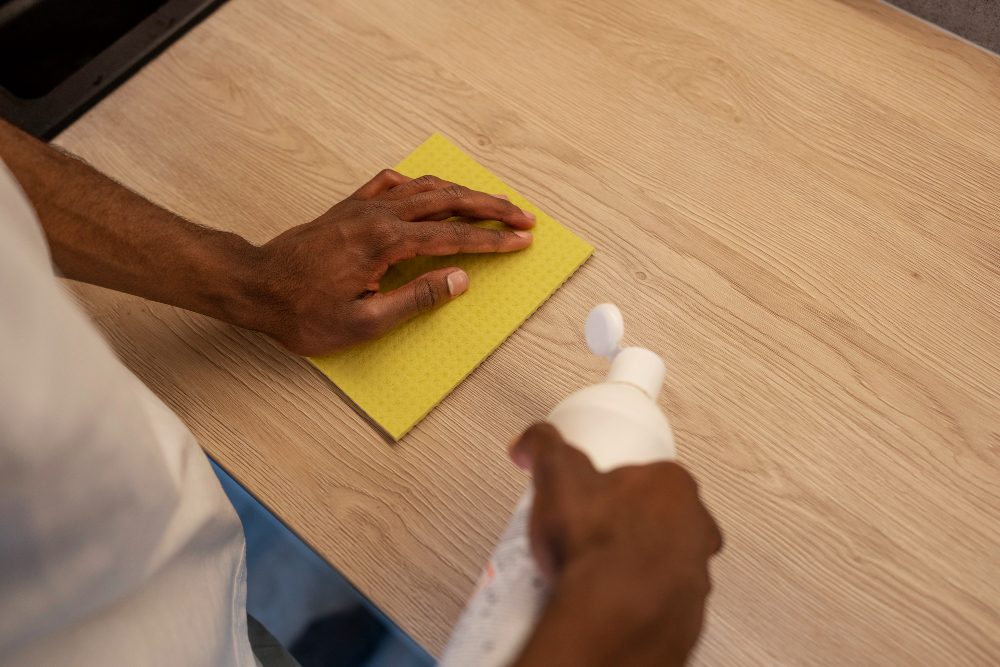
Start with a microfiber cloth slightly dampened with clean water. The cloth should be well-wrung out and not wet. Excess water is one of the biggest threats to veneer because it can seep beneath layers, causing the adhesive to weaken and the veneer to bubble or lift.

Step 2: Use Mild Solutions

Mix warm water with a few drops of mild dish soap. Avoid heavy concentrations of soap—more suds don’t mean a better clean and can leave behind residue. Strong cleaners like bleach or ammonia may promise quick results, but they can strip away the protective finish and leave lasting damage.

Step 3: Clean Gently

Wipe down the surface with smooth, straight motions along the wood grain. This helps lift dirt without spreading it around and preserves the natural appearance of the veneer. For stubborn spots, apply light pressure rather than scrubbing hard. Scrubbing too aggressively risks wearing down the thin veneer layer.

Step 4: Dry Immediately

After wiping with the damp cloth, always follow up with a separate dry cloth to remove any lingering moisture. Think of drying as just as important as cleaning itself.

Step 5: Consider Wood Cleaner 

For tougher grime that mild soap won’t handle, you can use a specialized wood cleaner. Choose a product that’s safe for veneer and always dilute it with water before applying. Test it on a small, hidden area first to ensure it doesn’t discolor or damage the finish.

cleaning tips for veneer furniture

What to Avoid When Cleaning Veneer Furniture

Proper care for veneer surfaces means knowing what not to do is just as important as knowing the right cleaning techniques. Veneer wood is thin and delicate, and the wrong product or method can cause damage that’s difficult—or even impossible—to repair.

Here are the top mistakes to avoid:

Harsh Chemicals

Cleaners containing bleach, ammonia, or strong solvents can quickly strip away the protective finish on veneer surfaces. While these products may promise a sparkling clean, they often leave behind discoloration, streaks, or even peeling finishes. Once the top layer is damaged, the veneer underneath is exposed and much harder to maintain.

Excessive Water

Veneer is especially vulnerable to moisture. Too much water can seep beneath the thin wood layer, weakening the adhesive that holds it in place. The result? Swelling, bubbling, or peeling that makes the surface uneven and unattractive. Even a small amount of standing water, such as a spilled drink not wiped up promptly, can cause long-term damage.

Abrasive Materials

It may be tempting to reach for steel wool or a scrub pad when dealing with tough spots, but these materials are far too harsh for veneer. They create fine scratches that dull the shine and weaken the finish over time. Even paper towels can sometimes leave tiny abrasions. Soft microfiber cloths are always the safest option.

Wax-Based Products

Wax polishes may give furniture a quick shine, but over time, they build up a cloudy, sticky residue. Instead of enhancing the appearance of the veneer, this buildup makes it look duller and attracts dust. Plus, once wax residue settles in, it can be difficult to remove without damaging the finish.


Preventative Care for Veneer Surfaces

The best way to protect veneer furniture is by preventing damage in the first place. Here are a few smart habits to extend its life:

Use Coasters and Placemats

Coffee cups, water bottles, and lunch containers can leave rings and stains that are almost impossible to remove from the veneer. Coasters protect against liquid damage, while placemats or desk pads prevent scratches from laptops, notebooks, and office supplies.

Control Environmental Factors

Sunlight can be one of the veneer’s biggest enemies. Direct UV exposure fades finishes and discolors the wood grain over time. In offices with large windows, blinds, curtains, or UV-protective window film are smart investments to protect furniture while keeping spaces bright and inviting. Likewise, avoid placing veneer pieces directly against radiators, heating vents, or air conditioning units, as sudden temperature changes can weaken the adhesive under the veneer.

Maintain Humidity

Veneer reacts to environmental conditions just like solid wood. Keeping indoor humidity between 40–60% helps prevent cracking in overly dry conditions or warping in damp conditions. Many modern offices already use HVAC systems that regulate humidity, but if your workplace struggles with extremes, a humidifier or dehumidifier can be an inexpensive way to protect valuable furniture.

Act on Spills Quickly

Accidents happen, whether it’s a tipped coffee mug in the breakroom or a spilled water glass during a meeting. With veneer, speed is everything. Quick action prevents stains and keeps surfaces smooth.

Frequently Asked Questions | Veneer Wood Care

Should you oil veneer?

Generally no. Veneers are already finished with protective coatings that are designed to protect the thin wood layer and enhance its appearance. Unlike solid wood, veneer does not absorb oils in the same way, so applying oil won’t nourish the surface—it can actually create sticky buildup, attract dust, or even damage the finish over time. 

The best way to maintain veneer furniture over time is through consistency and gentle care. With steady upkeep, veneer furniture can stay attractive and functional for many years.

It’s best to avoid vinegar on veneer furniture. While vinegar is often used as a natural cleaner, its acidity can damage the protective finish on veneer surfaces, leaving them dull or streaked. Stick to mild soap and water or a specialized wood cleaner designed for delicate surfaces. This method also works on how to clean fake wood tables.

For most offices, deep cleaning veneer surfaces once a month is sufficient, alongside weekly dusting. However, in high-traffic areas—like meeting rooms or shared break spaces—you may need to deep clean every two weeks. Consistent maintenance keeps the veneer looking polished and reduces the risk of long-term damage.

Minor surface scratches can sometimes be minimized with a touch-up or furniture polish designed for veneer. However, because veneer is a thin layer of wood, deep scratches or chips are harder to fix. In those cases, professional repair may be required. Preventing scratches with coasters, pads under office equipment, and regular dusting is always the best approach.

Keep Veneer Furniture Looking New—Partner with Stamford Office Furniture

Veneer furniture provides businesses with the elegance of real wood at a fraction of the cost, but it requires following the right cleaning tips for veneer furniture to maintain its beauty and durability.

At Stamford Office Furniture, we help businesses in New Haven, CT, get the most from their workplace investments. From selecting high-quality veneer pieces to providing expert guidance on veneer wood maintenance, our team makes it simple to create an office that looks great and performs even better.

Contact Stamford Office Furniture today for expert advice, durable office solutions, and furniture built to impress for years to come.