
How Should Chairs in the Waiting Area Be Arranged for Comfort and Style

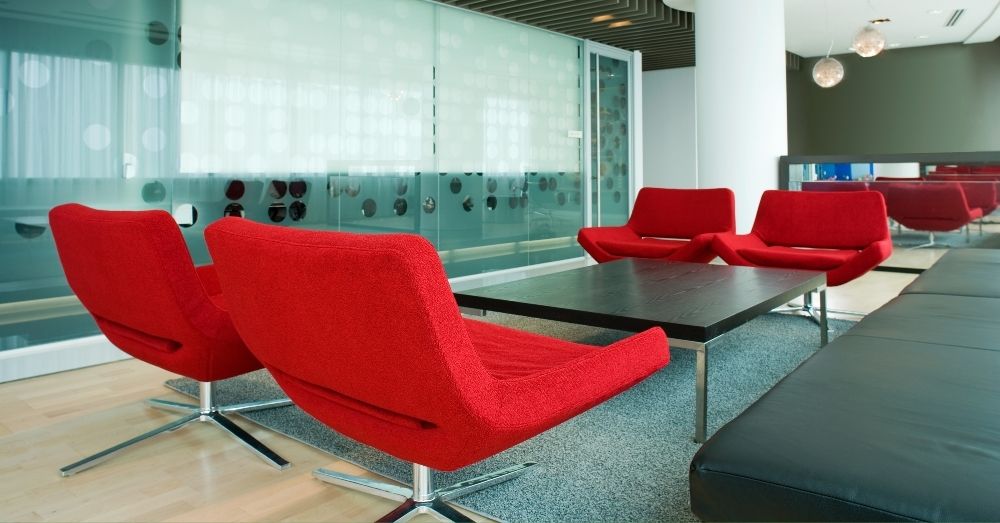
A contemporary lounge area featuring several bright red chairs with chrome bases arranged around a dark wooden coffee table.

Table of Contents

Key Takeaways

A linear arrangement keeps the space neat and efficient, ideal for smaller or professional settings.

A circular or semi-circular layout creates openness and encourages interaction among guests.

Clustered groupings offer comfort and privacy for families or small groups waiting together.

Back-to-back rows maximize seating capacity while maintaining a sense of privacy.

A mixed arrangement provides flexibility by blending different seating styles for varied needs.

Accent seating adds visual interest and elevates the style while still supporting comfort.
A waiting area sets the tone for how guests feel the moment they arrive, making both comfort and style equally important in its design. The way chairs are arranged can influence not only the look of the space but also how welcoming and functional it feels. From creating a sense of openness to ensuring accessibility, the right setup can make a lasting impression. 

Here are six ways to consider when thinking about how chairs in the waiting area should be arranged for comfort and style.

How Should Chairs in the Waiting Area Be Arranged

Option 1: Linear Arrangement

Chairs in a straight line offer a simple and organized look for a waiting space. This style of waiting area seating design is often chosen for its ability to keep the room neat and easy to navigate. It is a practical solution that balances comfort with order, especially when there is limited space.

Benefits of a Straight Line Setup

A linear seating arrangement brings both style and function to a waiting area. It works by using available space smartly while also keeping the room welcoming and professional. The design has several benefits that make it a popular choice.

  • Space Efficiency: Chairs arranged in a line use wall space effectively, making the area feel more open and less crowded. Keeping the middle of the room clear makes walking paths smoother and gives the space a lighter feel. It is especially useful in narrow or smaller waiting rooms.
  • Professional Look: A straight line creates a clean and organized appearance, which works well in offices or clinics. It gives visitors a sense of order and reliability as soon as they enter. Many businesses prefer this reception seating arrangement because it feels polished without being complicated.
  • Easy Flow: This arrangement allows visitors to move in and out without confusion, supporting a smoother flow of people. Guests can quickly see open seats without hesitation. For busy locations, this setup avoids congestion and keeps the experience simple.

Where It Works Best

Not all waiting rooms have the same needs, which is why a straight-line setup works better in some spaces than others. It is especially useful in places where organization and efficiency are important. 

  • Smaller Waiting Rooms: This setup prevents a small space from feeling cluttered, while still offering enough seats for guests. The simple design helps the room feel calm rather than overwhelming. It also makes cleaning and upkeep faster for staff.
  • Professional Settings: Places such as law firms, corporate offices, or medical clinics benefit from the clear and formal look. The arrangement matches the professional tone of these spaces and builds trust with clients. Visitors often feel more at ease when hospitality waiting area chairs are placed neatly in line.
  • Hospitality Spaces: Hotels and guest lounges can use this design to keep seating aligned with the overall interior theme. The straight layout supports a calm and balanced environment where guests can wait comfortably. Accent tables or greenery can be added along the line for a touch of style.

Comfort and Accessibility Considerations

Comfort and accessibility should never be overlooked in any seating layout. A linear arrangement may look simple, but with the right choices, it can also be inclusive and supportive. Both comfort and accessibility help create a space where every visitor feels welcome.

  • Comfortable Seating: Even in a straight line, chairs should have enough cushioning and support to create a comfortable seating arrangement for all visitors. Features like padded seats, armrests, and back support help make waiting less tiring. Choosing durable materials ensures the chairs remain inviting over time.
  • Accessibility: Including space between some chairs ensures ADA-compliant seating in waiting rooms, making the layout more inclusive for people with mobility needs. Wheelchair users can be part of the seating area without being isolated. A design that considers accessibility shows care for every guest’s comfort and dignity.
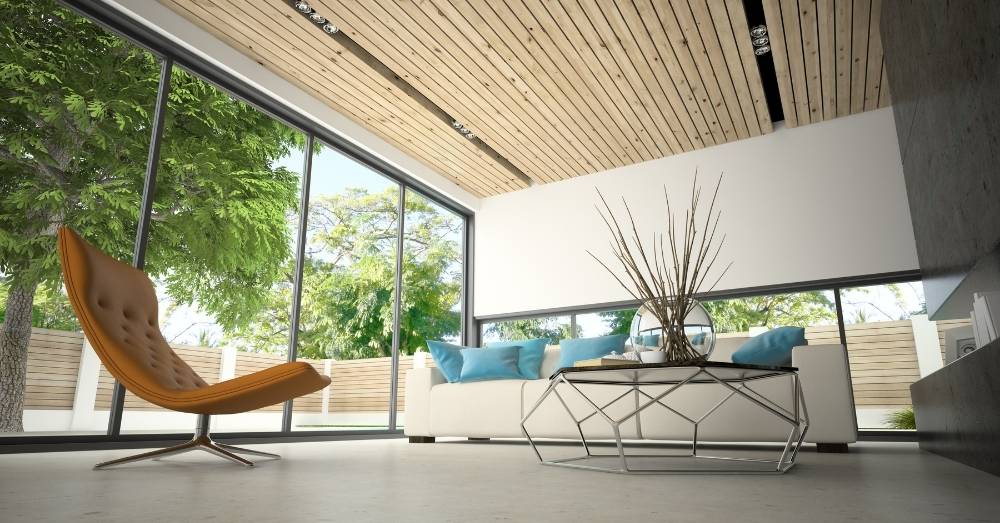
A stylish living room with a modern design.

Option 2: Circular or Semi-Circular Arrangement

A circular or semi-circular reception seating arrangement helps create a sense of openness and connection in a waiting area. Instead of having chairs placed in stiff lines, this design allows people to feel more relaxed and welcome. 

Encourages Interaction

A circular setup makes it easier for people to engage with one another. Whether it is families, friends, or colleagues waiting together, the shape naturally brings people closer and makes conversations feel effortless. This type of comfortable seating arrangement creates a more pleasant experience for visitors.

  • Easy Conversations: People sitting in a circle or semi-circle face each other, making it natural to talk without raising voices.
  • Shared Connection: Groups waiting together feel less separated and more connected.
  • Community Feel: When chairs face each other, such as in a circle, emotional contagion can occur—allowing even strangers to share a subtle sense of inclusion and connection, whether through positive or negative emotions, rather than feeling isolated.

Adds Warmth and Approachability

Circular and semi-circular layouts also give the space a softer, more welcoming appearance compared to rigid rows. This can be especially helpful in hospitality waiting area chairs, where first impressions matter most. In places like hotels, clinics, or offices, the design of the seating itself can make visitors feel cared for.

  • Softer Visual Appeal: Rounded seating feels more inviting than sharp, straight lines.
  • Welcoming Atmosphere: Visitors feel less like they are waiting in a cold, formal setting.
  • Blends with Design: Works well with stylish furniture and can be balanced with ADA-compliant seating in waiting rooms to ensure accessibility for all visitors.

Option 3: Clustered Groupings

Small groups of chairs arranged around tables create a more inviting and practical setup for a waiting area. This type of reception seating arrangement makes the space feel warmer and more personal compared to rows of chairs. 

Benefits of Clustered Groupings

This seating style focuses on comfort and connection. When chairs are placed in clusters, visitors can relax and talk more easily. This is an important part of a comfortable seating arrangement, where people do not feel isolated or too exposed.

  • Encourages Social Interaction: Families or friends can sit together and communicate without being separated. Group seating supports a natural flow of conversation and makes waiting time feel shorter.
  • Offers a Relaxed Atmosphere: Small group settings feel less formal and help reduce stress while waiting. A calm layout can make guests feel more at ease in both professional and hospitality waiting area chairs.
  • Adds Flexibility: Chairs and tables can be moved slightly to suit different group sizes. This versatility allows the waiting area seating design to adjust to different needs without losing comfort.

Design Considerations for Clustered Seating

When thinking about waiting area seating design, the layout should balance comfort with accessibility. Each grouping should be arranged with enough space for movement and to meet safety standards.

  • Table Placement: Adding a small table in the center allows guests to place drinks, documents, or personal items comfortably. A central table also makes the seating look more organized and welcoming.
  • Spacing Between Groups: Leaving open space between clusters keeps the waiting area from feeling crowded and allows for easy navigation. This arrangement also helps maintain a clean and professional reception seating arrangement.
  • Style and Consistency: Choosing chairs that match the overall interior design helps create a polished look for hospitality waiting area chairs. Coordinated furniture styles give the room a sense of harmony and balance.

Accessibility and Comfort

Clustered groupings should also be planned with ADA-compliant seating in waiting rooms in mind. Accessibility ensures that everyone, including individuals using wheelchairs or walkers, can use the space without difficulty.

  • Accessible Pathways: Clear paths between clusters make it easy for all visitors to move around. Wide walkways are especially important in busy waiting areas where safety and comfort matter.
  • Mixed Seating Options: Including chairs with arms and without arms helps meet different comfort needs. This variety ensures that people with different body types and mobility levels can sit comfortably.
  • Inclusive Layout: Positioning some clusters closer to entrances ensures convenience for visitors who may have limited mobility. A well-planned, comfortable seating arrangement makes the space feel welcoming for all.
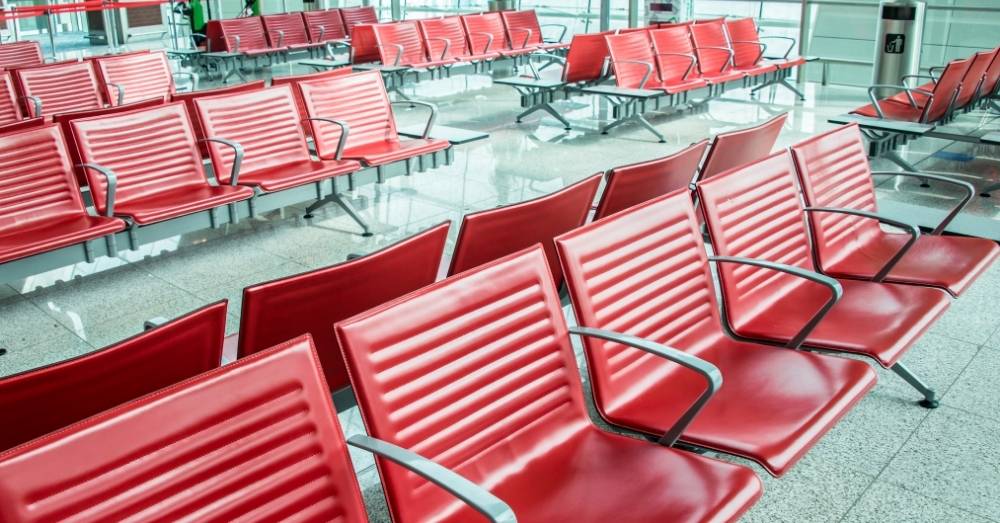
Several rows of empty, shiny red waiting chairs are shown in an airport or large waiting room.

Option 4: Back-to-Back Rows

Back-to-back rows are one of the most practical ways to arrange chairs in a larger waiting area. This type of setup is often seen in hospitals, airports, and offices because it uses space well while still giving people a sense of privacy.

Maximizes Seating in Larger Waiting Areas

This arrangement is ideal for places where many people wait at the same time. By placing chairs back-to-back, every inch of space is used wisely without making the area feel overcrowded. It supports a comfortable seating arrangement while ensuring enough chairs are available.

  • Space Optimization: Chairs are set in rows with no wasted space, allowing more guests to be seated at once.
  • Clear Walkways: Even with many chairs, rows still leave enough space for easy walking paths.
  • Scalable Design: This style can expand easily by adding more rows, making it perfect for offices or medical centers where traffic changes daily.

Offers Privacy While Maintaining Efficiency

Even though rows are close together, they provide a level of privacy that other layouts do not. Guests sit facing opposite directions, which helps reduce awkward eye contact and creates a calmer environment. 

  • Visual Separation: Guests do not have to face each other, creating a more relaxed setting.
  • Balanced Layout: Chairs are grouped neatly, keeping the reception seating arrangement organized without feeling too rigid.
  • Focused Waiting: This setup helps reduce distractions, which can be especially useful in medical or business settings.

Option 5: Mixed Arrangement

A mixed arrangement combines different seating layouts such as linear, clustered, and circular. This type of waiting area seating design not only looks stylish but also makes the space feel more welcoming and adaptable. 

Why Mixed Arrangement Works

Blending different seating styles creates balance between function and comfort. A thoughtful reception seating arrangement provides flexibility and can improve how people experience the waiting area.

  • Linear Seating: Provides order and neatness. Placing chairs in a row works well in areas that need to look professional and organized. It also helps maximize space without making the area feel crowded.
  • Clustered Seating: Creates social spaces. Small groups of chairs with a table encourage conversation among friends, families, or colleagues. This makes the waiting area feel more relaxed and casual.
  • Circular Seating: Encourages openness. Arranging chairs in a circular or semi-circular shape makes the space feel approachable and welcoming. It also allows people to interact more easily.

Adding Flexibility and Comfort

Mixed layouts give visitors choices. Some may want to sit alone quietly, while others may prefer to sit with a group. A comfortable seating arrangement allows both to happen at the same time.

  • Different Choices: Offering a mix of seating styles shows that the space is designed with both individual and group comfort in mind.
  • Better Flow: Mixed seating avoids a rigid look and helps people move naturally through the waiting room without feeling restricted.
  • Style and Function: Combining shapes and layouts adds visual interest, while still keeping the space practical.
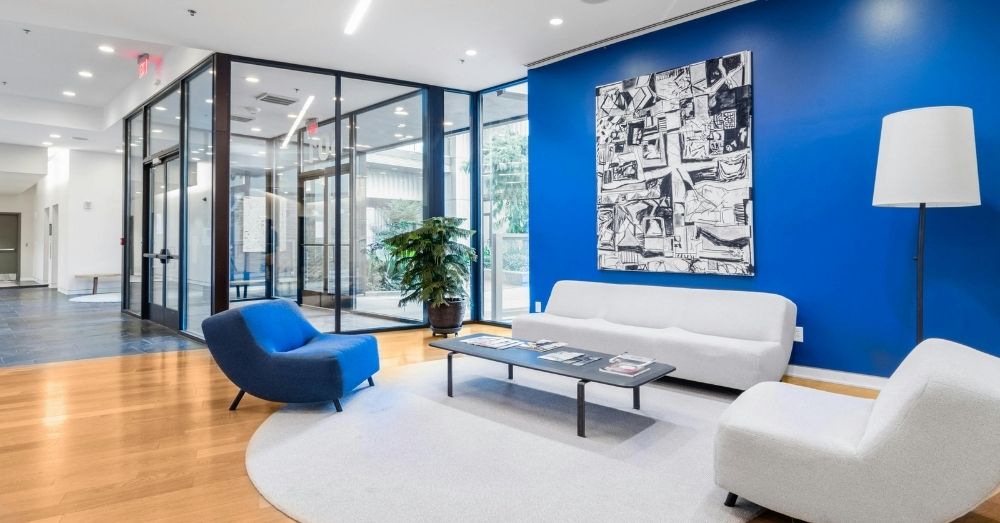
A brightly lit modern office lobby with a vibrant cobalt blue accent wall.

Option 6: Accent Seating for Style

Accent seating in a waiting area can completely change the atmosphere. By adding statement chairs or stylish pieces, the space feels more welcoming and modern. This approach not only makes the waiting area more attractive but also creates a memorable impression for guests.

Creating Focal Points With Accent Seating

Accent seating works best when used at key spots in the room. Placing stylish chairs where people naturally focus can highlight the design and make the space look intentional. This also helps elevate the overall reception seating arrangement.

  • Entrance Area: Placing accent chairs near the entry draws attention and sets a welcoming tone right away.
  • Corners of the Room: Filling empty corners with unique chairs prevents the area from looking bare and adds extra seating.
  • Beside Coffee Tables: Stylish seating around tables makes the space both functional and visually balanced.

Blending Style With Comfort

Accent chairs should not only look good but also feel good to sit in. Choosing the right materials and designs helps balance appearance with a comfortable seating arrangement.

  • Upholstered Seating: Chairs with cushions or fabric offer comfort for longer waiting times.
  • Armchairs With Support: Sturdy armrests and backrests provide both comfort and accessibility.
  • Ergonomic Designs: Chairs that follow the natural shape of the body help guests relax while waiting, reducing discomfort and supporting proper posture. Prolonged use of poorly designed furniture can lead to pain and negatively affect spinal alignment, especially during growth periods, making ergonomically designed seating an essential choice.

Adding Variety for Visual Interest

Accent seating introduces variety, which makes the waiting area more dynamic and less monotonous. This is especially important in hospitality waiting area chairs, where first impressions matter.

  • Mix of Materials: Combining wood, metal, and fabric creates a layered and stylish look.
  • Color Contrast: Bright or bold-colored chairs stand out against neutral tones, giving personality to the space.
  • Different Shapes: A mix of curved and straight-lined chairs adds diversity without overwhelming the room.

Keeping Accessibility in Mind

Style should never come at the cost of comfort or accessibility. Accent seating can still be practical when planned carefully, especially when considering ADA-compliant seating in waiting rooms.

  • Proper Seat Height: Ensuring chairs are easy to sit in and rise from supports accessibility for all.
  • Clear Pathways: Accent chairs should not block walkways, keeping the area safe and functional.
  • Inclusive Design Choices: Selecting chairs that suit a wide range of guests makes the space welcoming for everyone.

Frequently Asked Questions

How to create a relaxing waiting room?

A relaxing waiting room can be created with comfortable chairs, calming colors, and soft lighting. Adding plants, artwork, or background music helps reduce stress and creates a welcoming atmosphere. The goal is to make guests feel at ease while they wait.

A seating arrangement should balance comfort, style, and function. Chairs can be placed in clusters for groups, in rows for efficiency, or in a circular layout for openness. Always leave clear pathways for movement and accessibility.

A waiting room becomes better with thoughtful design choices that focus on both comfort and experience. Providing a mix of seating styles, good lighting, and clean surroundings improves how the space feels. Adding amenities like magazines, water, or charging stations also enhances the guest experience.

Safety in a waiting room means keeping pathways clear, using sturdy furniture, and providing ADA-compliant seating. Chairs should not block exits or make it hard to move around. Materials that are easy to clean also help maintain hygiene and safety.

Having several seating options ensures that all guests feel comfortable and included. Some may prefer cushioned chairs, while others may need accessible seating with proper support. A variety of choices shows consideration for different needs and makes the reception area more welcoming.

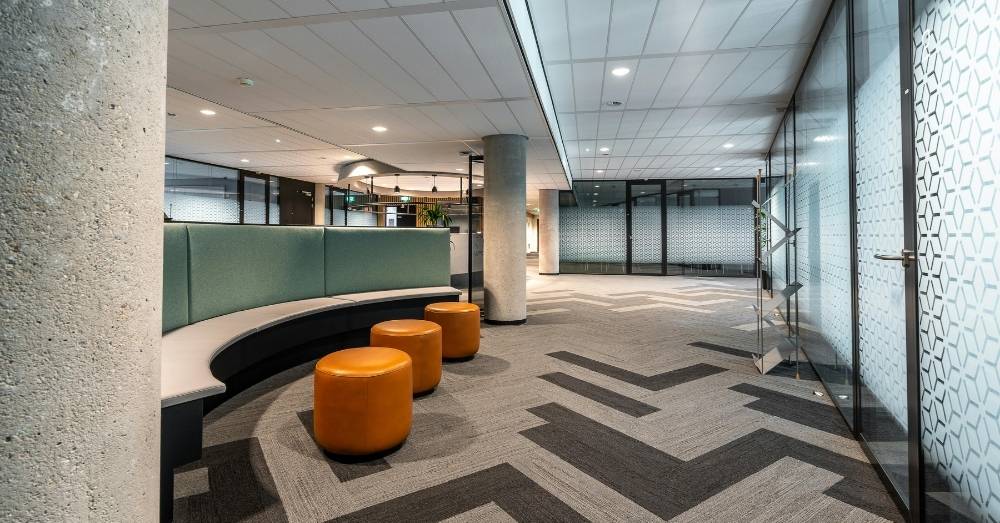
A modern office waiting area with a large, curved gray and mint green bench.

Let Stamford Office Furniture Plan Comfortable Waiting Areas in White Plains, NY

At Stamford Office Furniture, we bring waiting areas to life with expert space planning that combines comfort, style, and functionality. Serving businesses in White Plains, NY, our team helps define seating needs, update floor plans, and specify the right mix of hospitality waiting area chairs, accent pieces, and ADA-compliant options. Using CAD visualization and careful coordination of finishes, fabrics, and room flow, we create reception seating arrangements that are both welcoming and on-brand. With every project, our goal is to deliver a comfortable seating arrangement that leaves a lasting impression on guests while supporting the needs of the space. 

Contact Stamford Office Furniture today to start planning a waiting area in White Plains, NY that truly works!