

What Is a Hip Chair? 7 Must-Have Features Before You Buy

Table of Contents

Key Takeaways

A higher seat level reduces bending at the hips and makes sitting and standing easier.

Firm cushions provide stability and prevent discomfort during extended use.

Supportive armrests help users safely lower and lift themselves without strain.

A stable, non-slip base prevents tipping and enhances overall safety.

Smooth, wipeable surfaces make maintenance quick and hygienic.

Proper back support encourages upright posture and relieves pressure on the spine.

A light yet strong frame offers durability while remaining easy to move.

Considering weight limits, mobility options, and environment fit ensures long-term usability and safety.

Finding the right hip chair can make daily sitting and standing safer, more comfortable, and easier for anyone dealing with mobility challenges or recovering from surgery. The right choice can prevent strain, support better posture, and provide long-term durability for both home and professional settings. Selecting a chair with the right build and features ensures safety and peace of mind during everyday use. 

Here are seven must-have features to look for before buying a hip chair.
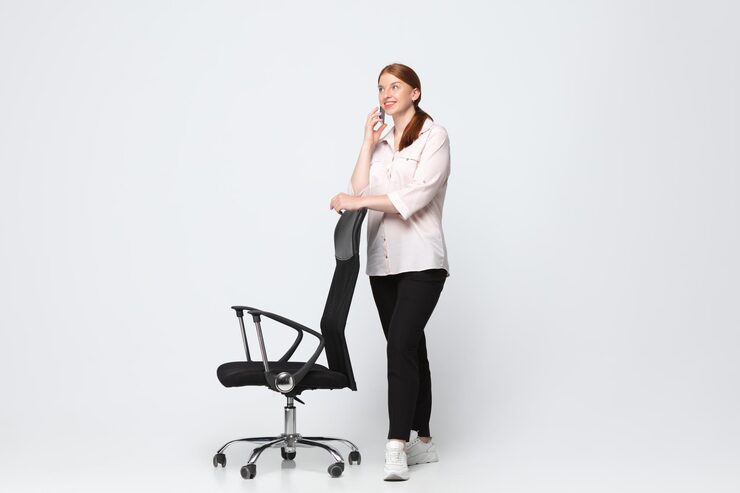
hip chair

What is a Hip Chair?

A hip chair is a type of seating designed to make sitting and standing easier for people with hip, back, or leg limitations. Unlike regular chairs, a hip chair has a higher seat and often features supportive armrests, which reduce the amount of bending required. This makes it especially useful for recovery after hip surgery, in workplaces, or for anyone with limited mobility who needs a safe and practical seating option.

A hip chair is different from a standard chair because it is built to reduce strain on the hips and knees while providing extra stability. Traditional chairs are often too low, forcing users to bend deeply, which can increase discomfort and risk of injury.

  • Heightened Seat: A hip chair features a higher seat, which reduces the need for deep bending when sitting down or standing up, easing strain on the hips and knees.
  • Safety for Mobility Impaired: Unlike regular chairs, hip chairs are specifically designed to accommodate individuals with mobility challenges, reducing strain and improving accessibility.
  • Increased Comfort: With firm cushioning and ergonomic features, hip chairs offer better support for long periods of sitting, which is often lacking in standard chairs.

Hip chairs are often used in settings where people need secure and accessible seating. They provide a balance of comfort and safety that regular chairs may not offer.

  • Healthcare Settings: Hospitals and clinics often rely on hip high waiting room chairs to assist patients who cannot bend or twist easily. This type of seating helps reduce the effort required to transition between standing and sitting during appointments.
  • Rehabilitation Centers: Patients in recovery can use hip chairs to perform daily tasks without risking falls or overstressing their joints. Having chairs at the right height supports consistent mobility practice during physical therapy.
  • Workplaces and Waiting Rooms: Offices and public spaces install hip high waiting room chairs to accommodate visitors with mobility limitations or post-surgery needs. Providing this seating option allows people to sit comfortably without feeling unsafe or unsupported
  • Senior Living Communities: Hip chairs are commonly used in retirement homes or assisted living facilities to provide residents with a comfortable and secure seating option that supports their independence and mobility.

7 Must-Have Features to Look For

When learning what is a hip chair, it’s important to understand its design and features. Keeping these factors in mind will help you select the right chair to ensure maximum comfort and support.

1. Adjustable Seat Height

The ability to change the seat height is one of the most important features a hip chair can offer. Sitting too low can strain the hips and knees, while a higher seat makes it easier to lower down and rise safely.

  • Easy Height Adjustment: Users can raise or lower the seat to suit their height, ensuring the knees stay slightly below the hips. This makes standing up smoother and reduces the effort required for those with weaker joints.
  • Promotes Proper Alignment: Adjusting the chair to the right height keeps the hips, knees, and spine in a natural position, reducing unnecessary strain. When the natural curves of the spine are properly aligned, it can better withstand gravitational forces and external pressures, easing joint pressure and supporting long-term comfort.

2. Firm, Supportive Cushioning

A hip chair with the right cushion is essential for both comfort and safety. Soft cushions may feel cozy at first, but they can cause the body to sink and make standing difficult.

  • Reduces Pressure: Firm cushions distribute weight evenly across the seat to avoid discomfort and sore spots. They also help maintain proper circulation in the legs, which is especially important during long periods of sitting.
  • Maintains Stability: Supportive cushions keep the body in place without sliding or tilting. Feeling stable allows users to move confidently when adjusting their position or preparing to stand

3. Armrests for Safe Transitions

Armrests are a key feature for helping users safely transition between sitting and standing. Without them, many people rely on their legs or nearby furniture, which increases the risk of imbalance.

  • Supports Sitting and Standing: Armrests act as reliable leverage points, reducing pressure on the lower body when lowering or rising. This feature is especially valuable for post-surgery recovery or individuals with limited strength.
  • Enhances Safety: A strong grip on armrests provides reassurance and stability during movement. Having a secure handhold reduces the risk of slips and builds confidence for daily use.

4. Sturdy, Non-Slip Legs or Base

Safety is something a chair needs to remain dependable in everyday settings. A solid, non-slip base ensures the chair stays firmly in place, even when weight shifts.

  • Non-Slip Support: Rubber tips, grips, or textured feet prevent sliding on smooth floors like tile or wood. Non-slip legs are especially important in busy waiting rooms or clinics where sudden movements can occur.
  • Stable Frame: A reinforced frame prevents wobbling or tipping when a user leans or adjusts. Knowing the chair will remain steady encourages safer and more independent use.
  • Weight Distribution: The base is designed to evenly distribute the user’s weight, further enhancing stability and preventing the chair from shifting or tipping under pressure, ensuring safety for all users

5. Easy-to-Clean Surfaces

Cleanable surfaces are essential for chairs in healthcare, rehabilitation, or public spaces like hip high waiting room chairs. Smooth and wipeable finishes make maintenance quick and hassle-free

  • Wipeable Materials: Durable materials such as medical-grade vinyl, coated fabrics, and other non-porous finishes allow for easy sanitation with standard cleaning solutions or disinfectant wipes. In business and healthcare settings, this ensures compliance with hygiene protocols and minimizes the risk of bacteria or virus transmission.
  • Stain and Spill Resistant: Liquids and accidental spills are less likely to penetrate or damage the material, helping the chair maintain a professional appearance over time. For clinics, offices, or corporate waiting rooms, this reduces replacement costs, keeps furniture presentable for clients or patients, and minimizes downtime for cleaning.
  • Low Maintenance for Staff Efficiency: Chairs designed with easy-to-clean surfaces save staff time by requiring less intensive upkeep, allowing teams to focus on core tasks while still maintaining a clean, professional environment.
  • Enhanced Durability in Commercial Use: Materials resistant to frequent disinfecting and daily wear extend the lifespan of the chair, making it a cost-effective investment for businesses with high seating turnover.

6. Ergonomic Back Support

Back support is crucial for comfort and injury prevention in any hip chair. A well-shaped backrest encourages upright sitting and reduces fatigue caused by slouching.

  • Promotes Healthy Posture: An ergonomic backrest supports the natural curve of the spine, helping the body stay properly aligned and reducing muscle strain. Studies show that less than half of Americans actively worry about the effects of poor posture, and many do not consistently make changes to improve it. This kind of support prevents tension buildup and minimizes long-term discomfort
  • Relieves Pressure: Proper back support reduces strain on the lower back and hips by spreading weight evenly. This feature is especially beneficial for users recovering from surgery or with limited mobility.

7. Lightweight but Durable Frame

A hip chair needs to be easy to move while strong enough for daily use. Balancing durability with portability ensures the chair is convenient without sacrificing safety.
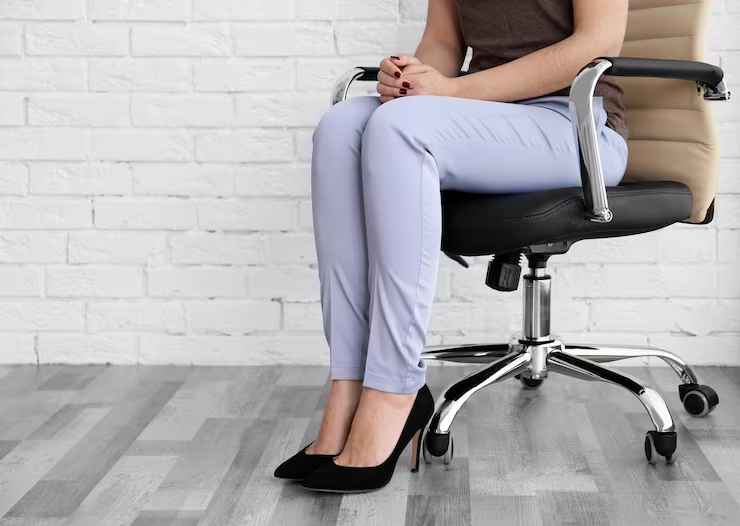
  • Easy to Move: Lightweight frames make it simple to reposition the chair for cleaning or rearranging spaces. Moving the chair without effort is helpful for caregivers and users alike.
  • Built to Last: High-quality materials such as reinforced metal or sturdy composite keep the chair safe and reliable for years. A durable frame also resists bending, wobbling, or premature wear from frequent use.
woman sitting office chair indoors

Additional Considerations

Understanding what is a hip chair and choosing the right hip chair goes beyond just picking a seat that looks comfortable. These extra details ensure long-term safety, functionality, and convenience for anyone who needs a supportive seating option, whether at home, in a medical setting, or in a workplace environment.

Weight capacity is one of the most important factors when selecting a hip chair. A sturdy, reliable chair prevents accidents and ensures that the user feels secure when sitting or standing. Safety certifications from recognized bodies confirm that the chair has passed durability and stability tests, which is especially crucial for hospitals, clinics, or rehabilitation centers.

  • Weight Limit: Always review the manufacturer’s listed weight limit and select a chair with a higher capacity if the chair will be used in shared spaces. A chair with a robust weight rating supports a wider range of users and minimizes workplace safety risks.
  • Certified Safety: Choose chairs with clear testing labels or certifications confirming they meet standards for balance, frame strength, and daily wear. For businesses, certified chairs also show a commitment to safety and quality, reducing potential liability.
  • Durability Testing: Look for chairs that have undergone rigorous durability testing to ensure they can handle frequent use without compromising on stability or comfort. This is particularly important for environments like healthcare facilities, where the chair may be in use throughout the day.

For businesses, mobility is key when furniture needs to adapt to changing layouts or multi-purpose rooms. Many high hip waiting room chairs or rehabilitation chairs with wheels provide flexibility to quickly rearrange seating for meetings, patient intake areas, or events without heavy lifting. This feature not only saves staff time but also reduces injury risk from moving heavy furniture.

  • Locking Casters: Wheels with secure locking mechanisms keep the chair stable during use, which is critical in healthcare settings where patient safety is a priority. Businesses benefit from a safe environment that minimizes accidents.
  • Effortless Movement: Smooth-rolling casters allow staff to move chairs between rooms or reconfigure seating without strain. For facilities like physical therapy clinics or offices with multipurpose waiting areas, this improves efficiency and functionality.
  • Swivel Capabilities: Some hip chairs come with swivel wheels, allowing for 360-degree rotation, making it easier to adjust and position the chair without lifting or pushing. This added mobility feature is beneficial for settings that require constant movement or repositioning.


In professional environments, hip chairs should fit into the existing décor while remaining functional. A hip chair that blends into a corporate waiting room or healthcare lobby makes the space welcoming and professional, rather than clinical or out of place. For office or business settings, design compatibility is something a chair needs and is also part of maintaining brand perception and a polished appearance.

  • Space-Friendly Design: Ensuring the chair fits into the floor plan without blocking walkways or violating the Americans with Disabilities Act (ADA) is essential for safety and accessibility. Compact designs also help maximize space in smaller waiting rooms.
  • Aesthetic Versatility: Neutral colors, clean lines, and simple finishes let the chair seamlessly integrate into business or medical environments, giving visitors a professional impression without looking like medical equipment.

For businesses, a hip chair that is quick to assemble reduces downtime and operational inconvenience. Complicated assembly not only wastes staff time but can also lead to improper installation, which can compromise safety and void warranties.

  • Clear Instructions: Comprehensive, illustrated manuals and labeled components help staff quickly assemble multiple chairs for office or clinic use without needing expert installers.
  • Minimal Tools Required: Fewer tools and steps allow teams to set up chairs efficiently, which is especially beneficial when equipping large spaces like waiting areas, rehabilitation centers, or senior living facilities.
  • Quick-Release Mechanisms: Certain hip chairs include quick-release features that allow for easy disassembly when needed for storage or cleaning, making them even more convenient for high-traffic environments.

Frequently Asked Questions

What chairs are best for seniors with mobility issues?

Chairs that are best for seniors with mobility issues are firm, stable, and have supportive armrests to help with standing up and sitting down. Hip chairs or hip high waiting room chairs are ideal because their higher seat reduces strain on the hips and knees. Non-slip legs and ergonomic back support also add safety and comfort. Lightweight frames or wheels can make them easier to move when needed.

The seat on a hip chair is typically 20 to 26 inches from the floor, which is higher than a standard chair. This elevated height helps reduce the bend at the hips, making it easier for users to sit and stand without strain. It is especially useful for people recovering from hip surgery or dealing with hip pain.

A recliner chair can help with hip pain if it offers proper lumbar and hip support without sinking too low. It allows users to adjust their position, which can relieve pressure on the hips. However, overly soft recliners may make standing up difficult and could worsen discomfort if the hips are unsupported.

A lift chair is a motorized chair that gently raises and tilts forward to help the user stand without putting stress on the hips. It is recommended for people recovering from hip replacement surgery something a chair needs to reduce the risk of strain or falls.

A chair can cause hip pain if it is too low, too soft, or lacks proper support for the hips and lower back. Chairs that force the hips to bend sharply or sink in can increase pressure and discomfort over time. Switching to a firm, supportive hip chair with the correct seat height can help reduce pain and improve posture.

Discover Reliable Hip Chairs in Stamford for Better Comfort!

Discover Reliable Hip Chairs in Stamford for Better Comfort!

Finding the right seating for mobility support is easier with Stamford Office Furniture. High-quality hip chairs designed for seniors and recovery patients provide stability and comfort for daily use. Durable frames, ergonomic support, and elevated seat heights make these chairs a dependable solution for those in White Plains, NY, seeking comfort and safety. 

Visit Stamford Office Furniture today to explore the collection and choose a hip chair that supports long-term wellness.