

The way office furniture is arranged plays a major role in how a workspace feels and functions each day. A well-planned layout not only improves movement and efficiency but also affects how employees feel in their environment. Stress levels and morale can be heavily influenced by office design, and when a workspace looks organized and welcoming, it shows that staff well-being matters.
Here are practical tips on how to arrange furniture in an office with a cubicle-style layout.
6 Tips for Arranging Office Furniture in Cubicles
1. Assess Space and Layout
Before planning any office furniture arrangement, it’s important to first understand the space. This step helps set the foundation for a layout that is functional and efficient.
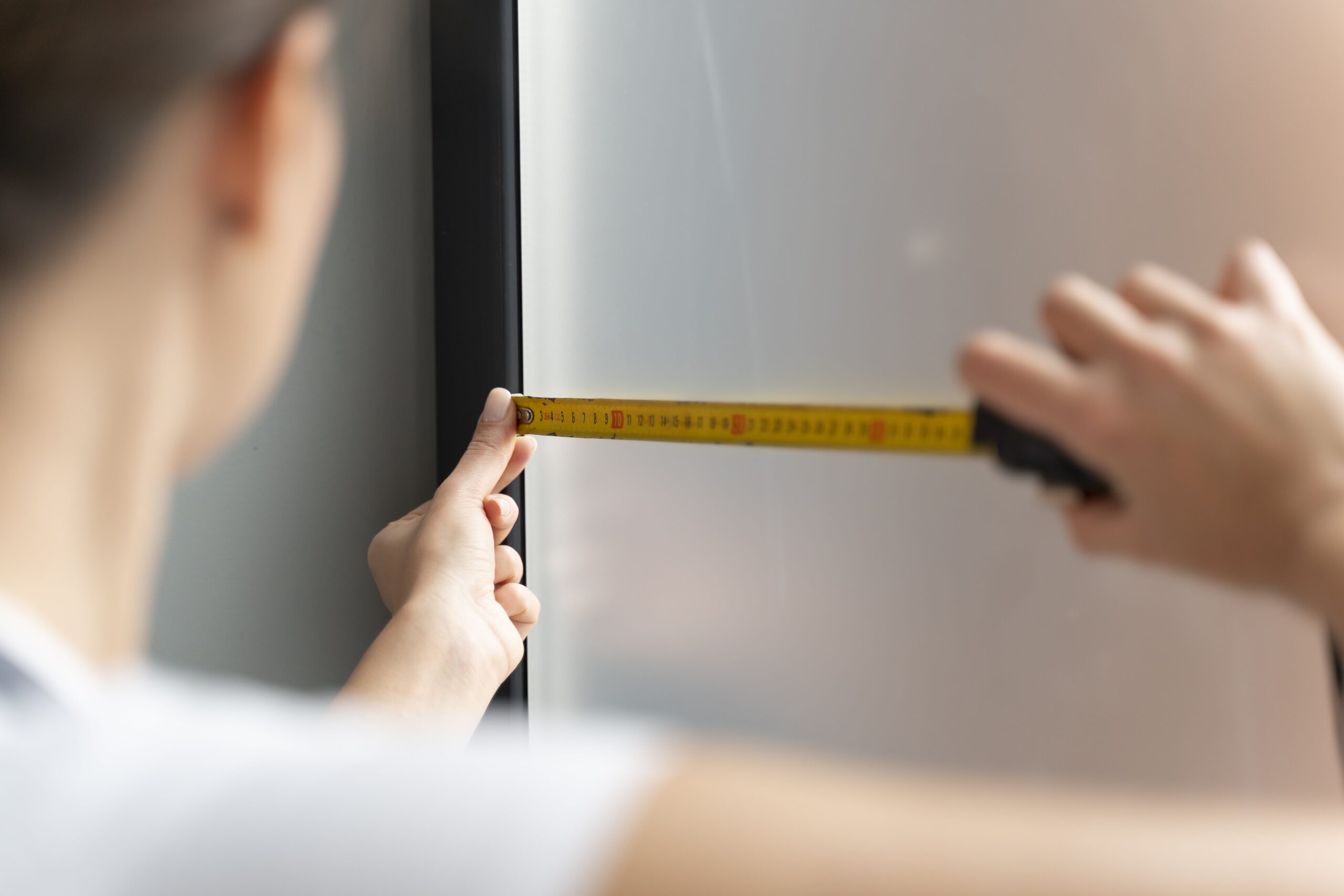
Measure Total Floor Area
Start with basic measurements to get a clear idea of what the space can hold.
- Measure Wall-to-Wall Dimensions: Use a measuring tape to find the full length and width of the room from one end to the other. Accurate measurements help determine how much furniture can fit without overcrowding the office.
- Calculate Total Square Footage: Multiply the length and width of the room to find out the total floor space. Knowing the square footage makes it easier to plan a balanced and functional office desk arrangement.
- Check Ceiling Height: Measure the vertical space from floor to ceiling to understand what kind of dividers or tall furniture can be used. This helps decide if overhead storage or tall cubicle panels are a good fit for the room.
Identify Fixed Features
Fixed features are parts of the office that can’t be moved or easily changed. These will affect where and how furniture can be placed.
- Mark Windows and Doors: Note where natural light enters and where foot traffic passes through. Keeping these areas clear helps with lighting and makes organizing office space more effective.
- List Built-In Fixtures: Include features like wall vents, radiators, and support columns when mapping the layout. These take up space and can’t be blocked, so they influence where desks or storage units can go.
- Note Structural Walls: Identify any walls that can’t be adjusted or removed. Planning around these walls ensures the office furniture arrangement stays practical and within the room’s physical limits.
Note Power Sources and Lighting
Knowing where power and lighting are will help avoid issues later when plugging in equipment and creating a well-lit workspace.
- Locate Electrical Outlets: Check all wall outlets and any built into the floor to see where devices like computers and printers can be plugged in. Having workstations close to outlets supports an efficient and safe office desk arrangement.
- Check Overhead Lighting: Look at where lights are placed and how evenly they brighten the room. Good lighting supports productivity and avoids the need for extra lamps in each cubicle.
- Identify Network Ports: Find out where internet and phone ports are located in the space. This helps with knowing how to arrange furniture in an office that depends on a stable and wired internet setup.
2. Plan Cubicle Placement
Arranging cubicles the right way can make a big difference in how an office functions day to day. A smart cubicle setup supports productivity, keeps people comfortable, and makes the most of the available space.
Use Even Spacing for Balance
Keeping cubicles evenly spaced helps the layout look clean and organized. It also ensures that each person has enough room to work comfortably.
- Keep Equal Distance Between Cubicles: Make sure each cubicle is placed with the same amount of space between them to create a neat and structured layout. This kind of office furniture arrangement helps reduce distractions and prevents the office from feeling cramped.
- Avoid Tight Walkways: Leave enough space between rows of cubicles so people can walk through easily without squeezing past desks or chairs. Wider paths improve flow and support a more welcoming environment for both staff and visitors.
Face Cubicle Openings with Purpose
The direction a cubicle opens affects how employees interact and how the space feels overall. Placing openings carefully improves workflow and comfort.
- Face Openings Toward Main Walkways: Position cubicle openings so they face common paths or aisles to make navigation easier. This approach to organizing office space also encourages a natural flow of movement throughout the room.
- Avoid Direct Alignment With Other Openings: Offset cubicle entrances slightly to prevent workers from facing each other directly across narrow aisles. This adds a sense of personal space and reduces distractions, helping maintain focus and comfort.
Keep Shared Access Points Clear
It’s important that cubicles don’t block common areas. A clear layout ensures the office runs smoothly and meets basic safety needs.
- Leave Pathways to Exits Unblocked: Always maintain clear access to emergency exits and main doorways when placing cubicles. Safe and direct pathways are a critical part of any office furniture arrangement.
- Keep Shared Zones Accessible: Arrange cubicles so that shared areas like printers, file storage, or meeting corners stay open and easy to reach. This reduces interruptions and supports a more efficient daily workflow.
3. Place Essential Furniture in Cubicles
When setting up a cubicle-style office, it’s important to focus on the essentials. Each cubicle should provide what an employee needs to work comfortably and efficiently. Understanding how to arrange furniture in an office is a core part of organizing office space.
Include Core Items in Every Cubicle
Every cubicle must have the key furniture pieces to support daily tasks. Keeping it simple avoids clutter and helps keep the layout functional.
- Desk: Choose a desk with enough surface space for a computer, notepad, and basic supplies. A rectangular or L-shaped desk works well depending on the cubicle’s size.
- Office Chair: Use an adjustable office chair that offers support and comfort for long work hours. Wheels and armrests improve flexibility and movement.
- Storage Unit: Include a small cabinet, drawer unit, or shelves. These help keep files and tools within reach, reducing clutter and improving office desk arrangement.
Choose Compact and Modular Furniture
Cubicles usually have limited space, so every inch matters. Picking the right type of furniture can make the layout look open and efficient.
- Compact Designs: Go for furniture that fits snugly in the cubicle without blocking movement. Slim desks and vertical shelves save floor space.
- Modular Pieces: Use furniture that can be rearranged or stacked. This helps if the layout changes later or if the space is shared.
- Multi-Use Items: Add items that serve more than one purpose, like a storage ottoman or a desk with built-in drawers. These boost functionality while keeping the space simple.
Maintain Consistency in Layout and Height
Uniformity in cubicle furniture creates a clean and organized look. It also makes it easier to move through the office and manage shared systems.
- Same Desk Height: All desks should be at the same level to keep the workspace aligned. It improves visual flow and helps when using shared accessories like monitors or phone systems.
- Consistent Layout: Set up each cubicle using the same pattern. For example, place the desk facing the entrance, with storage to the side. This makes the whole space feel more organized and is key in effective office furniture arrangement.
4. Arrange Shared Equipment
In a cubicle-style office, shared equipment plays a big role in daily operations. Items like printers, copiers, and file cabinets need to be placed smartly so they are easy to access without interrupting the flow of work.
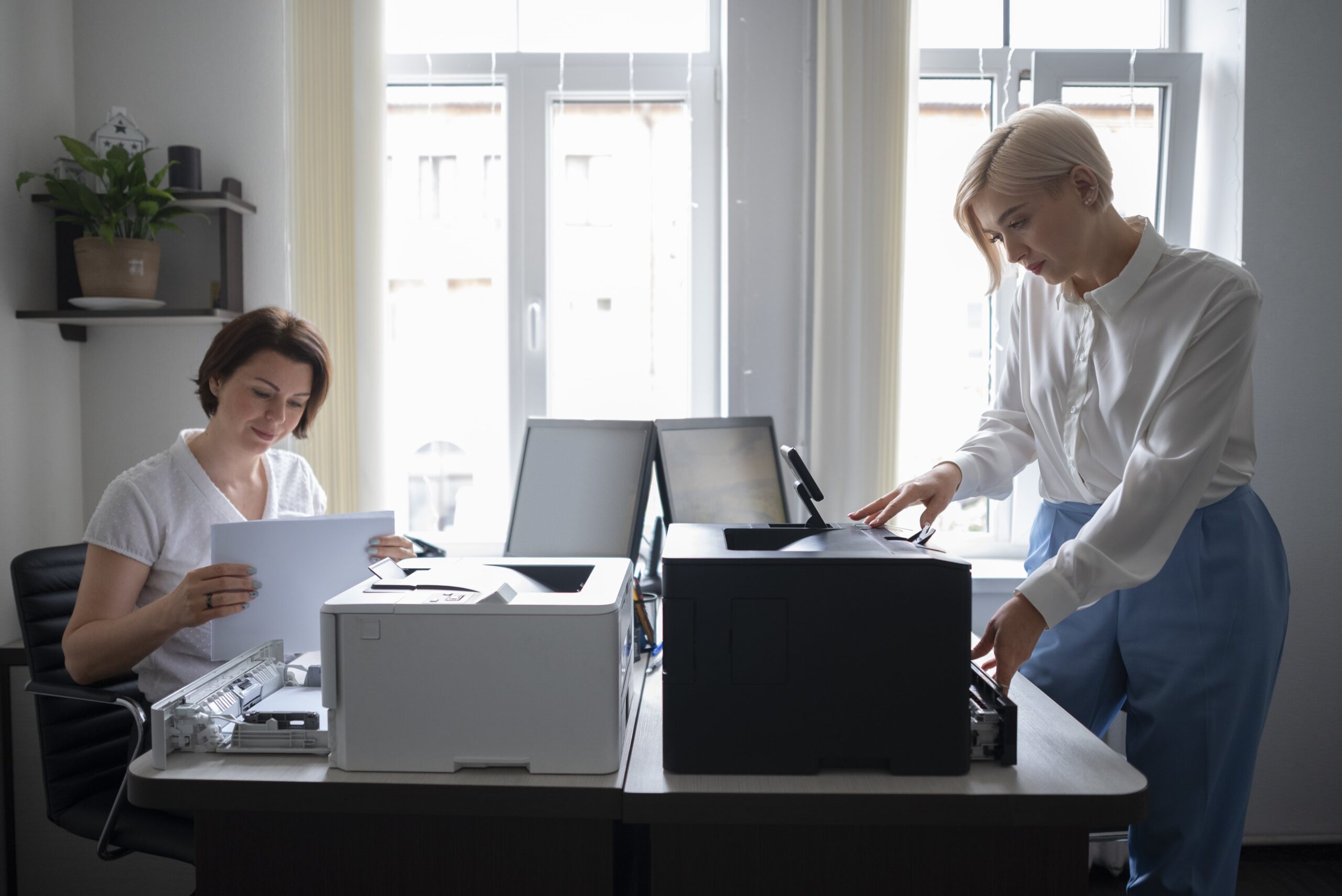
Place Shared Devices in Central Zones
Putting common-use items in one central spot helps all employees reach them without walking across the whole office. It also helps with time management and reduces traffic through individual cubicles.
- Centralize Printers and Copiers: Place printers and copiers in a shared hub close to most cubicles. This avoids back-and-forth walking and keeps each cubicle focused on personal work only.
- Choose Open but Accessible Spots: Use open corners or hallway ends for devices. These places keep traffic out of main cubicle paths but are still easy to reach.
- Avoid Blocking Cubicle Entrances: Keep machines away from cubicle entry points so movement in and out stays smooth and distraction-free.
Keep File Cabinets Easy To Reach, Not in the Way
File cabinets are important, but if not placed correctly, they can block walkways or cubicle spaces. Proper office furniture arrangement means thinking about both reachability and flow.
- Use Wall or Aisle Edges: Set cabinets along walls or edges of aisles, not in the middle of cubicle groups. This keeps files handy without cutting into personal work zones.
- Avoid Tight Spaces: Don’t squeeze large cabinets into small corners near cubicles. This can make people bump into them or block their movement.
- Label and Organize by Use: Label cabinets based on department or function. This makes searching faster and avoids crowding around one area.
Group Tools That Serve the Same Purpose
Tools and supplies used together should stay near each other. This helps staff save time and avoid unnecessary trips across the office.
- Group by Task Type: Keep all printing supplies like paper, ink, and staplers near the printer area. This helps restock quickly and keeps each workstation clear.
- Use Shared Supply Stations: Create one or two supply points instead of giving each cubicle separate supplies. This helps in organizing office space and keeps cubicles less cluttered.
- Separate Noisy Equipment: Machines like shredders or large copiers should be grouped but placed a little away from quiet work zones.
5. Ensure Comfort and Function
Creating a comfortable and functional office is essential, especially when working with a cubicle-style layout. Cubicles offer structure and privacy, but if the office furniture arrangement is not thoughtfully planned, the space can quickly feel cramped or inefficient.
Provide Adequate Lighting and Airflow
Proper lighting and ventilation are essential in cubicle settings, as they directly influence productivity and overall well-being. Studies show that optimal lighting—defined by the right brightness, color temperature, and glare control—can improve employee mood, focus, and job satisfaction.
- Maximize Natural Light: Position cubicles near windows to take advantage of natural daylight and reduce strain from harsh artificial lighting. A brighter work area boosts energy and makes the office desk arrangement feel more open.
- Use Task Lighting: Provide adjustable desk lamps or mounted lights in each cubicle for personal control of lighting levels. This helps reduce shadows and eye strain in workstations that are farther from the main light sources.
- Maintain Air Circulation: Avoid blocking air vents with tall storage units or partition walls so airflow can reach each cubicle evenly. Good air circulation improves comfort and helps maintain a consistent temperature throughout the space.
Keep Clutter to a Minimum
Clutter can make cubicles feel even smaller and reduce focus.
- Limit Desk Items: Only keep essential items like daily tools, notepads, and devices on the desk surface to avoid visual overload. A tidy cubicle supports better organizing office space and helps maintain clear thinking.
- Use Vertical Storage: Install shelves or overhead bins to keep materials off the desk and floor. Vertical storage makes the most of limited cubicle space and contributes to a more efficient layout.
- Designate Shared Storage: Set up common storage zones for items like paper, office supplies, or manuals that don’t need to be in every cubicle. This reduces duplication and supports better space planning across the layout.
- Use Privacy Panels Wisely: Select dividers that offer visual separation without fully enclosing the space or blocking light. This supports concentration while maintaining a connected feeling across the office.
6. Test and Adjust the Cubicle Layout
Once the initial office desk arrangement is complete, it’s important to test it. Even well-planned layouts can reveal small problems once the space is in use..
Walk Through and Observe Flow
Seeing the setup in action helps identify what works and what doesn’t.
- Check Movement Paths: Walk through every path and access point to ensure there are no tight corners or awkward turns between cubicles. Smooth circulation is key to making the office furniture arrangement feel natural and usable.
- Watch for Bottlenecks: Notice any areas where people tend to gather or get stuck, like around printers or breakroom doors. These hotspots may need layout changes or extra space to avoid disruptions.
Adjust for Daily Needs
People’s actual work habits should guide changes.
- Move Furniture if Needed: Shift desks, chairs, or cubicle walls slightly to better fit how employees work and move through the office. Small layout changes can make a big impact on comfort and function.
- Reorganize Shared Zones: Rearrange items like filing cabinets, supply stations, or shared tech based on how often they’re used. This helps streamline daily routines and supports a more thoughtful office desk arrangement.
Gather and Use Employee Feedback
Listening to those who use the space every day is key in organizing office space that works.
- Ask for Comfort Tips: Get honest input from staff about what feels cramped, loud, or poorly lit in their cubicles. These insights help highlight areas where the office furniture arrangement can be improved.
- Apply Suggestions Thoughtfully: Use the feedback to make practical adjustments that match how the office functions in real time. Improvements guided by actual use lead to more efficient and supportive workspaces.