

Quick Facts
- Plan furniture early to align with the layout and building infrastructure.
- Use a checklist to ensure all office areas are properly furnished.
- Choose workstations, storage, and meeting furniture that support daily tasks.
- Coordinate delivery with construction timelines to avoid delays.
- Select furniture that fits the company’s workflow and workspace needs.
What's In This Guide
Office build-outs often prioritize construction and IT, but furniture planning is what determines how the space actually works day to day. Layout choices, access constraints, and lead times can all affect comfort, workflow, and installation timelines.
A simple checklist helps teams avoid last-minute changes, delivery issues, and mismatched work areas.
Here are the key steps to plan office furniture for a smooth build-out.
Why Furniture Planning Is Critical During an Office Build-Out
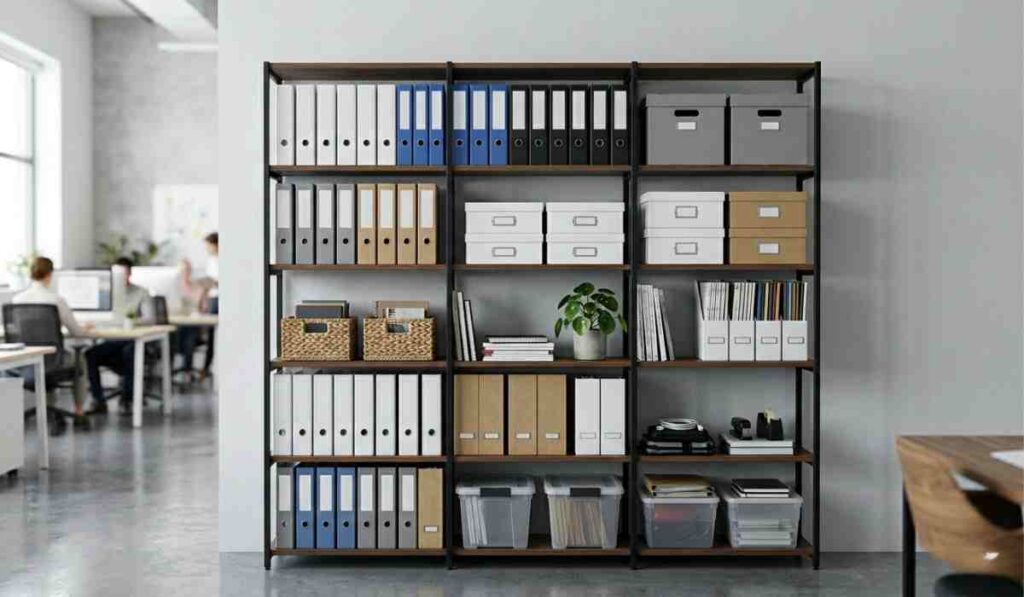
Office furniture planning is more than picking desks and chairs because it ties together workspace layout, building infrastructure, employee comfort, and budget control. Starting early helps businesses avoid expensive last-minute changes and ensures the finished office supports how teams actually work.
Furniture Impacts Workspace Efficiency
Furniture placement shapes how people move, collaborate, and stay focused throughout the day. When layouts match work styles, such as open benching for highly collaborative teams and private offices for focus-heavy roles, the space feels smoother and more productive.
Furniture Must Align With Infrastructure
Furniture has to fit the realities of the building, including power access, data connections, lighting placement, and HVAC coverage. Planning around these fixed points prevents issues like blocked vents, awkward cable runs, and costly rewiring after furniture arrives.
Early Planning Prevents Budget Surprises
Furniture is a major component of an office build-out, so planning early helps keep purchases aligned with operational needs and workspace goals. Establishing a clear furniture plan in advance prevents rushed decisions, delivery delays, and layout adjustments that can affect the overall project timeline.
Essential Office Furniture Checklist for a New Workspace
After planning and budgeting are complete, the next step is identifying the furniture pieces required for each area of the office.
Workstations And Individual Desks
Workstations form the core of most offices and should be planned first when creating a furniture checklist. Each setup should support daily work tasks while keeping the space organized and comfortable for long periods of use.
- Task Chair and Desk: Every workstation should include an ergonomic chair and a desk sized to support computers, documents, and everyday work tools without overcrowding the surface.
- Sit-Stand Desk Options: Some offices include adjustable desks to allow employees to alternate between sitting and standing throughout the day. Planning for power access and sufficient space ensures these desks fit smoothly into the layout.
- Monitor And Keyboard Accessories: Monitor arms, risers, or keyboard trays help position equipment correctly, improving comfort and reducing strain during extended computer use.
- Cable And Power Management: Desk grommets, cable trays, and power strips help keep wires organized, maintain a clean workstation appearance, and ensure outlets remain accessible.
Office Storage Solutions
Storage is a key part of an office furniture checklist because it supports organization and helps keep workspaces clear. A combination of personal and shared storage options allows employees to store materials without cluttering desks or walkways.
- Personal Storage Units: Mobile pedestals, drawers, or lockers give employees a designated place to store supplies, documents, and personal belongings.
- Department Storage Cabinets: Filing cabinets or shelving units support teams that manage physical records, reference materials, or shared equipment.
- Centralized Storage Areas: Shared shelving systems or storage rooms reduce the need for large cabinets at each desk and help maintain a cleaner workspace.
- Secure Storage Options: Lockable cabinets help protect sensitive documents, equipment, or records that require controlled access.
Meeting And Collaboration Spaces
Meeting areas are essential in modern offices where teams regularly collaborate, host clients, or conduct presentations. Furniture in these spaces should support different meeting sizes while maintaining comfort and clear circulation.
- Conference Tables And Chairs: Meeting rooms should include tables sized for the room and seating that remains comfortable during longer discussions or presentations.
- Flexible Collaboration Furniture: Movable tables or modular seating allow teams to reconfigure spaces for workshops, group discussions, or training sessions.
- Presentation Surfaces: Whiteboards or digital displays support brainstorming, presentations, and note-taking during meetings.
- Technology-Friendly Layouts: Tables and seating should allow space for laptops, chargers, and other meeting tools without crowding the room.
Reception And Common Area Furniture
Reception areas set the tone for visitors while also supporting daily office operations. Furniture in these spaces should create a welcoming environment while maintaining clear pathways for staff and guests.
- Reception Desk: A well-designed reception desk provides space for visitor check-in, communication tools, and essential administrative tasks.
- Visitor Seating: Comfortable chairs or lounge seating allow guests to wait comfortably without crowding the entrance area.
- Tables and Surface Areas: Coffee tables or side tables provide convenient spots for personal items, documents, or refreshments.
- Durable Materials and Layout: Furniture should be durable enough for regular use while maintaining a professional appearance that reflects the organization’s brand.
Breakrooms And Employee Amenities
Breakrooms support employee well-being and provide a space for rest and informal interaction. Including appropriate furniture in these areas encourages employees to use the space comfortably throughout the day.
- Dining Tables and Seating: Tables paired with chairs allow employees to eat meals or take breaks without needing to leave the workplace.
- Counter Seating Or Stools: Stools work well in smaller kitchens or counter areas where full dining tables may not fit.
- Comfortable Lounge Seating: Some offices include relaxed seating areas that encourage casual conversations or short breaks between tasks.
- Durable, Easy-To-Clean Materials: Furniture used in food areas should be easy to clean and durable enough to handle frequent daily use.
Lighting And Workspace Accessories
Accessories complete the office furniture checklist by improving comfort and supporting everyday tasks. These smaller elements often make a significant difference in how functional and comfortable the workspace feels.
- Task Lighting: Desk lamps or additional lighting provide focused illumination for detailed work where overhead lighting alone may not be sufficient.
- Acoustic Elements: Panels, sound-absorbing materials, and similar features help control noise levels in open offices. Managing sound is important because consistent exposure to high noise levels can affect concentration and communication, and prolonged exposure to loud environments may even contribute to hearing issues over time.
- Privacy Screens: Dividers placed between desks help reduce distractions and support concentration in busy office areas.
- Space-Defining Elements: Rugs or similar accessories can help separate collaboration areas from individual work zones while improving comfort underfoot.
Step-by-Step Office Furniture Planning Checklist
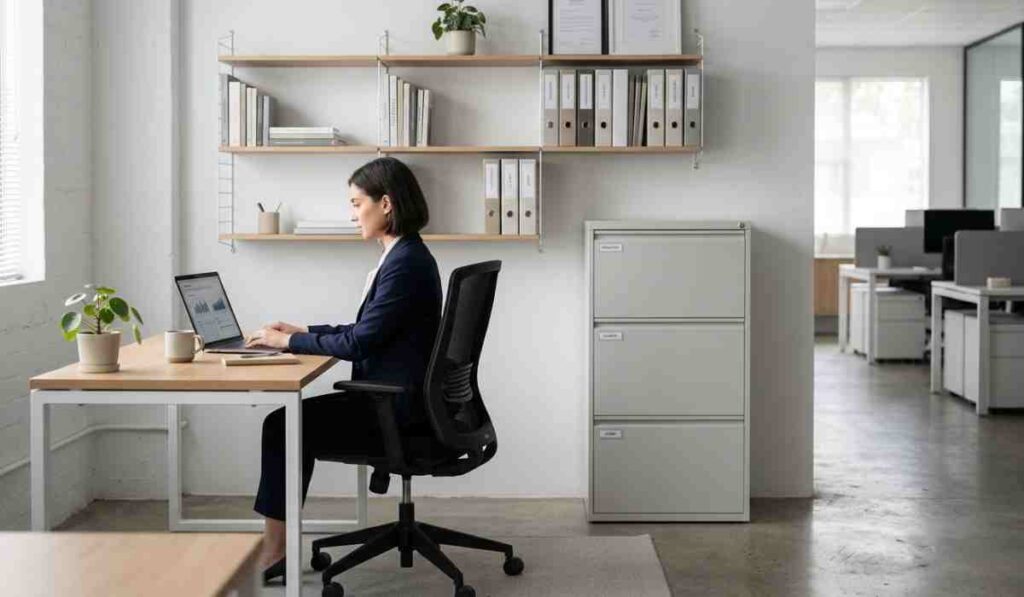
A clear planning process helps businesses move from concept to installation with fewer delays. Here’s how to prepare for a new office environment.
Step 1: Define Your Office Layout and Workspace Types
Start by identifying how employees work and the types of spaces they need. The office layout will guide decisions about the number of workstations, private offices, meeting rooms, and collaboration areas required. A thoughtful layout also influences how employees feel in the workplace, since well-designed environments can support morale, comfort, and overall job satisfaction.
Step 2: Establish a Realistic Furniture Budget
Estimate your furniture investment based on employee count and workspace needs. Planning early helps businesses prioritize essential items and avoid overspending.
Step 3: Conduct a Site Survey Before Ordering Furniture
Confirm that furniture can be delivered into the building without issues. A site survey checks access points such as elevators, hallways, and doorways.
Step 4: Verify Electrical, Data, and Infrastructure Locations
Make sure workstations align with power outlets, data ports, lighting, and HVAC placement. This helps ensure every desk and meeting area functions properly.
Step 5: Audit Existing Furniture Before Buying New Items
Review existing desks, chairs, and storage units to see what can still be used. Repurposing furniture can reduce costs and unnecessary purchases.
Move-In Tips for Furniture Delivery and Installation
Choosing furniture is only part of the process. Coordinating delivery, installation, and final setup helps ensure the workspace is ready for employees without delays or last-minute adjustments.
Schedule Furniture Delivery Around Construction Milestones
Furniture should arrive after major construction tasks are completed. Flooring, painting, and other finishing work should be finished first so surfaces are protected, and installation crews can work efficiently.
Prepare a Staging Area for Furniture Deliveries
Large office furniture orders often arrive in several shipments. Setting aside a staging area inside the building allows teams to organize incoming pieces before installation begins. This area should be dry, secure, and easy for delivery crews to access so furniture can be sorted and staged properly.
Verify Furniture During Installation
As furniture is assembled, each item should be checked against the order list. Confirm that the correct pieces arrived, inspect them for damage, and ensure everything is installed according to specifications.
Plan for Cleanup and Disposal
Furniture deliveries generate packaging such as cardboard boxes, plastic wrapping, and pallets. Planning for debris removal keeps the workspace clean and ready for use once installation is complete.
➤ VIEW OUR TRUSTED OFFICE FURNITURE BRANDS
Frequently Asked Questions

When should businesses start planning office furniture during a build-out?
Furniture planning should start early in the build-out process, often during initial layout discussions. This allows teams to coordinate furniture sizes with electrical layouts, walkways, and workstation spacing. Early planning helps prevent delays once the office is ready for installation.
How do companies decide how many workstations they need?
Workstation planning typically starts with the number of employees who regularly work in the office. Businesses may also consider hybrid schedules, shared seating, and future hiring. This helps determine how many desks are needed now and whether space should be reserved for growth.
Should office furniture match the company’s brand or culture?
Furniture choices can reflect a company’s brand and workplace culture. Materials, colors, and layouts influence how employees and visitors experience the space. Maintaining visual consistency helps create a professional and cohesive environment.
What factors influence the layout of office furniture?
Furniture layout depends on room dimensions, walkways, lighting, and access to power and data connections. Teams may also consider collaboration needs and quiet work areas. Proper planning ensures the workspace supports both movement and productivity.
Do businesses need different furniture for different departments?
Yes, furniture setups often vary depending on how each department works. Some teams may benefit from collaborative tables, while others require individual workstations. Matching furniture to job functions helps support daily tasks and efficiency.
Plan Your Danbury Office Build-Out With Expert Furniture Guidance
A successful office build-out requires coordination between layout design, infrastructure planning, budgeting, and installation. Following a structured furniture planning checklist helps businesses avoid delays and create workspaces that support productivity and daily operations.
For companies planning a new office in Danbury, professional guidance can simplify the process. Consider working with Stamford Office Furniture for support in planning, selecting, and installing furniture that fits your workspace goals.