

✔ Choose furniture scaled to the room—not oversized executive pieces
✔ Use vertical space to reduce floor clutter
✔ Prioritize ergonomics even in compact layouts
✔ Maintain clear traffic flow with at least 30-36 inches of walkway space
✔ Reduce visual noise with clean lines and organized storage
Small offices are everywhere, from professional suites and medical practices to growing teams working in compact spaces. When square footage is tight, the wrong furniture choices can make an office feel cluttered fast, and discomfort isn’t far behind.
The good news? Small offices don’t have to feel small.
With a smart layout, properly scaled commercial furniture, and efficient storage, you can create a workspace that feels open, professional, and genuinely comfortable for both employees and clients.
Before buying or rearranging furniture, define how the space will function. Ask three direct questions:
A small office that primarily supports focused computer work requires a different layout than one hosting regular client meetings. Avoid guessing. Measure the room dimensions, ceiling height, door swing clearance, and window placement. Create a scaled floor plan—digital or on paper—before placing a single desk.
Planning first prevents two common mistakes:
Every inch matters in a small office. Use it intentionally.
One of the fastest ways to overwhelm a small office is with furniture that’s too large. Executive desks designed for corner offices rarely belong in 100 to 200-square-foot rooms.
Instead, prioritize:
The goal is visual balance. Furniture should fit the room, not fight it. Avoid thick bases, oversized hutches, and deep credenzas unless necessary. Clean lines and lighter silhouettes create the illusion of more space.
When square footage is limited, think vertically. Walls are valuable real estate. Instead of spreading storage across the floor, go up:
Vertical storage reduces clutter while maintaining floor space for movement. However, avoid stacking everything high without intention. Keep frequently used items within arm’s reach and place archival materials higher. A wall full of heavy cabinets can also feel oppressive, so balance closed storage with open shelving.
In a small office, furniture should do more than one job whenever possible.
Examples include:
Multi-functional pieces reduce the number of standalone items needed in the room. Fewer pieces mean fewer visual interruptions—and more breathing room.
Downsizing space should never mean sacrificing comfort.
Employees in small offices often sit for extended periods. Poor seating or cramped setups lead to discomfort, reduced productivity, and long-term health issues.
Focus on:
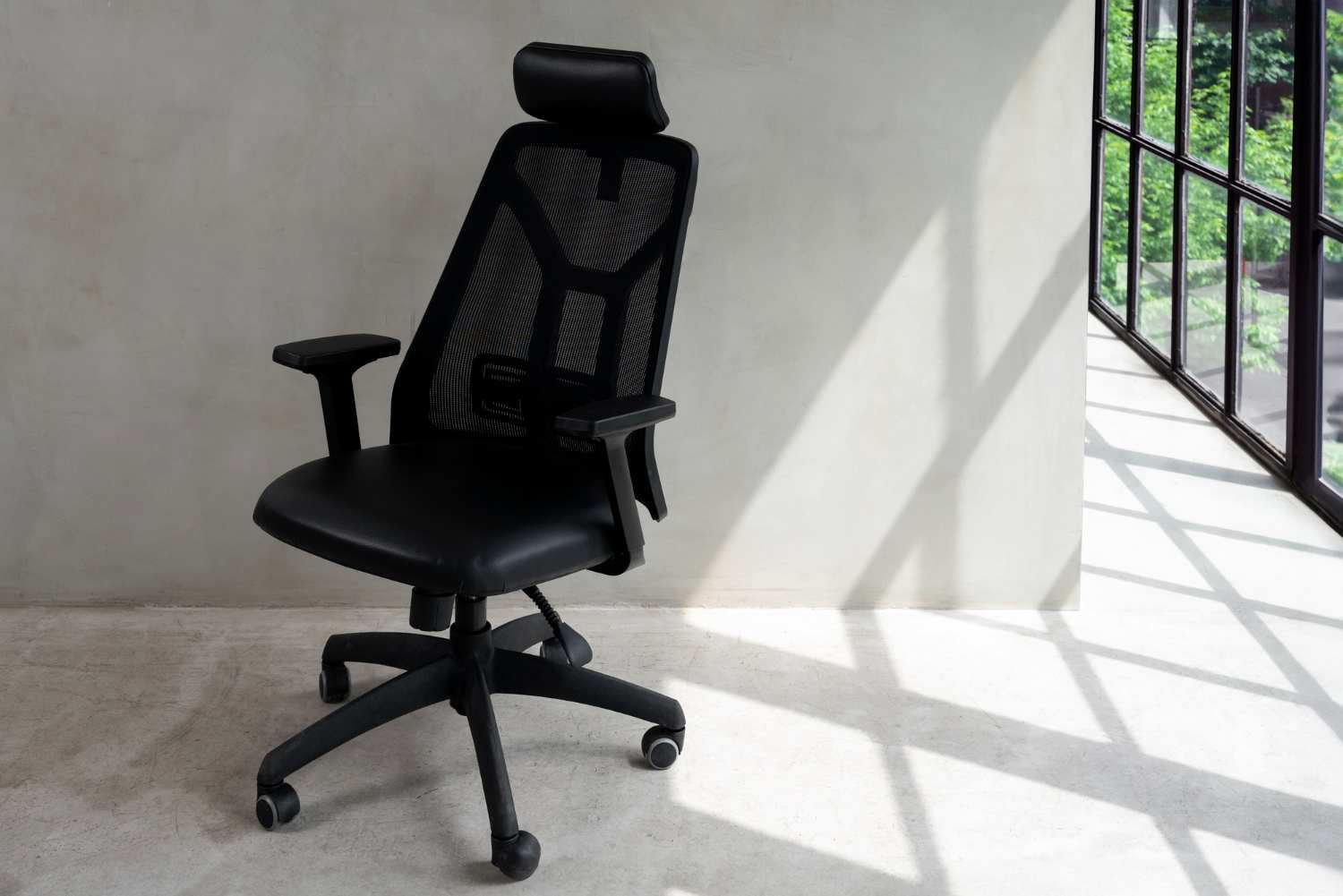
Ergonomics is not a luxury—it’s essential. A compact ergonomic chair is far better than a bulky but unsupportive one.
Comfort increases efficiency. Efficiency makes small spaces work.
Small offices feel cramped not just because of furniture size—but because of poor traffic flow.
Ensure:
Avoid pushing everything against the walls unless the layout truly demands it. Sometimes floating a desk slightly off the wall improves movement and visual balance.
If multiple employees share the space, consider benching systems or collaborative workstations that minimize unnecessary gaps between desks.
Small offices feel cramped not just because of furniture size—but because of poor traffic flow.
Ensure:
Avoid pushing everything against the walls unless the layout truly demands it. Sometimes floating a desk slightly off the wall improves movement and visual balance.
If multiple employees share the space, consider benching systems or collaborative workstations that minimize unnecessary gaps between desks.
Small offices often evolve quickly. A team of two can become a team of five within a year. Modular furniture systems allow you to:
Look for furniture lines that integrate desks, storage, partitions, and accessories within one cohesive system. Flexibility prevents expensive overhauls later.
Clutter is the enemy of small offices. Adopt a disciplined approach to storage:
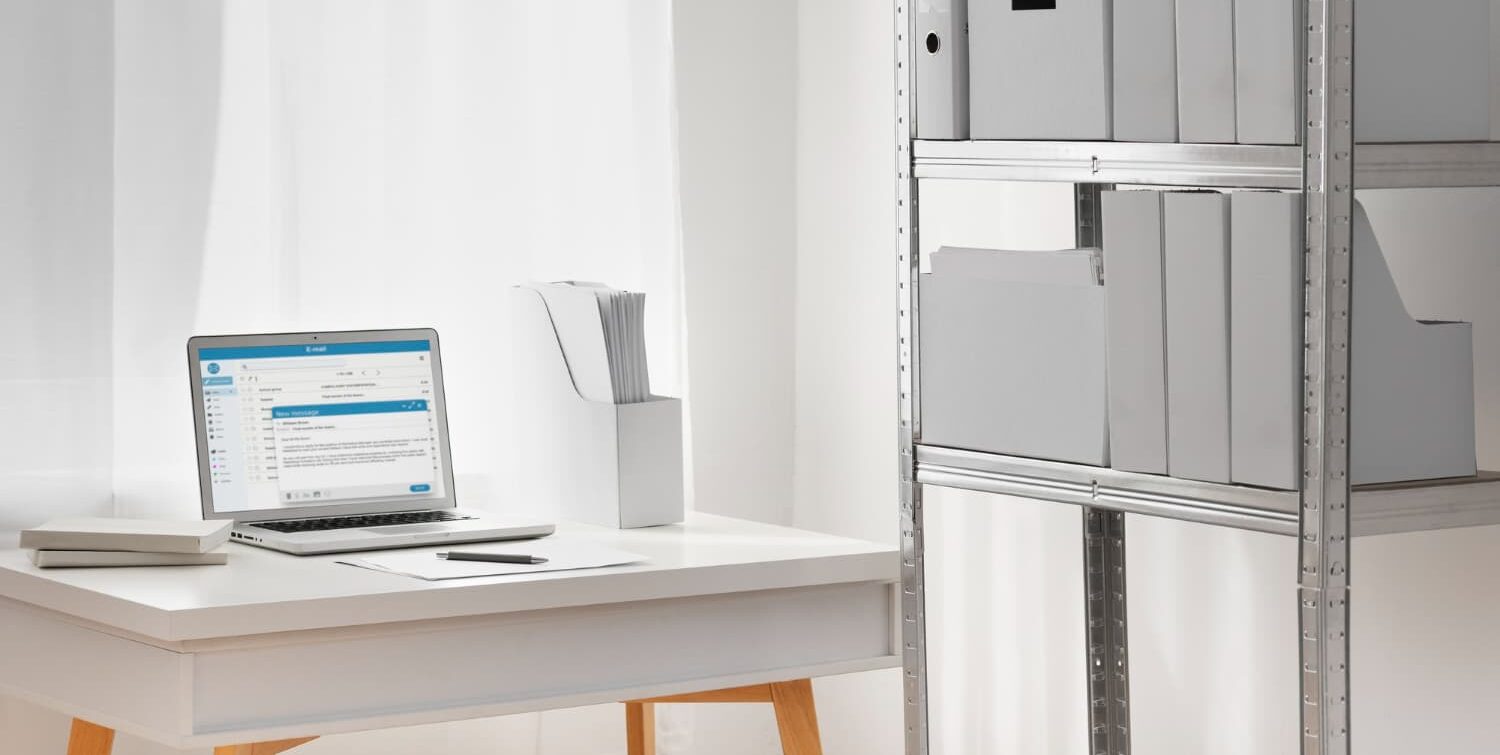
If paper storage is essential, choose lateral file cabinets with compact depth or high-density filing systems that reduce footprint. Every unnecessary item should be removed. If it doesn’t support daily operations, it doesn’t belong in a small office.
Light affects how spacious a room feels. Offices with windows should avoid blocking natural light with tall cabinets or partitions. Keep window walls open or use low-profile furniture nearby.
Natural light:
If natural light is limited, use layered lighting:
Dark corners shrink perceived space. Balanced lighting expands it.
Color influences perception.
Light, neutral tones make small spaces feel open. Whites, soft grays, and light wood finishes reflect light and prevent visual heaviness.
That doesn’t mean everything must be sterile. Accent walls, brand colors, or textured materials can add personality without overwhelming the room.
Avoid:
Consistency keeps the space cohesive and calm.
Solid partitions divide space visually. Glass maintains openness while still offering separation.
Consider:
Transparency makes rooms feel larger. In collaborative environments, it also improves communication.
Even small offices benefit from defined areas:
Use subtle methods to create separation:
Avoid large, heavy partitions unless privacy is legally required. The goal is visual distinction—not isolation.
Many small offices struggle with meeting space. Instead of a full-sized conference room, consider:
If meetings are infrequent, a flexible solution prevents a rarely used table from dominating valuable square footage.
Mobility increases adaptability. Furniture on casters—such as mobile file cabinets, rolling whiteboards, or lightweight tables—allows you to reconfigure quickly.
For example:
Small spaces benefit from dynamic solutions.
Even well-designed small offices can feel cramped if cluttered visually. Reduce visual noise by:
Minimalism isn’t about emptiness—it’s about focus. A clean environment improves clarity and productivity.
If your office welcomes clients, the reception area must feel comfortable—even if it’s small.
Focus on:
Reception furniture should project professionalism without dominating the room.
Small offices can amplify sound. Hard surfaces reflect noise, creating distraction. Improve acoustics with:
Sound control improves comfort, particularly in shared environments.
Quick fixes often lead to regret. Buying the cheapest compact furniture may save money initially, but poorly made pieces wear quickly—especially in commercial environments.
Choose:
Longevity matters more in small offices because every piece is highly visible and heavily used.
Designing an efficient small office isn’t just about aesthetics. It involves ergonomics, compliance, workflow planning, and future scalability.
Professionals can:
Be direct about what not to do:
Small spaces magnify mistakes. Be deliberate.
A small office can be efficient, comfortable, and professional with the right approach. Maximizing space requires:
When executed correctly, small offices often outperform larger ones in focus and efficiency. Less wasted space means clearer workflows. The key is strategy—not square footage.
Use light colors, maximize natural light, and choose appropriately scaled furniture. Incorporate vertical storage instead of bulky floor units. Reduce visual clutter and keep clear walkways to create openness. Glass partitions and clean lines also help expand visual perception.
Compact, multi-functional, and modular furniture works best. Look for desks with built-in storage, slim-profile filing cabinets, ergonomic task chairs, and mobile pieces that can be rearranged as needed. Commercial-grade furniture ensures durability without adding unnecessary bulk.
Ideally, allow 30–36 inches of clearance for walkways. In tighter layouts, prioritize safe movement and chair clearance. Proper spacing improves comfort, productivity, and accessibility compliance.
Use vertical solutions such as wall-mounted shelving and tall cabinets with narrow footprints. Digitize documents where possible and use integrated storage within desks and credenzas to reduce standalone units.
Yes. Compact height-adjustable desks can improve ergonomics without increasing footprint. Many models are designed specifically for smaller spaces and help reduce sedentary strain while maintaining flexibility.
If you’re planning a small office layout or upgrading your existing workspace in Brookfield, CT, prioritize long-term functionality over quick fixes. The right furniture choices and a well-planned layout can turn a tight footprint into a workspace that feels open, organized, and comfortable—without sacrificing professionalism.
Stamford Office Furniture works with Brookfield-area businesses to create efficient floor plans and provide commercial-grade furniture that maximizes every square foot while supporting productivity and ergonomics.
Ready to make your space work harder? Schedule a consultation with Stamford Office Furniture to review your layout, recommend the right-sized pieces, and build a plan for a more comfortable, high-performing office.