
✔ Office layout has a direct impact on productivity, employee wellbeing, and long-term business performance.
✔ Poor planning decisions often lead to costly redesigns and ongoing workplace inefficiencies.
✔ Effective layouts balance collaboration, privacy, comfort, and flexibility to support different work styles.
✔ Furniture selection and placement are just as important as visual design when planning a functional office.
✔ Professional space planning helps ensure offices adapt smoothly as teams and business needs change.
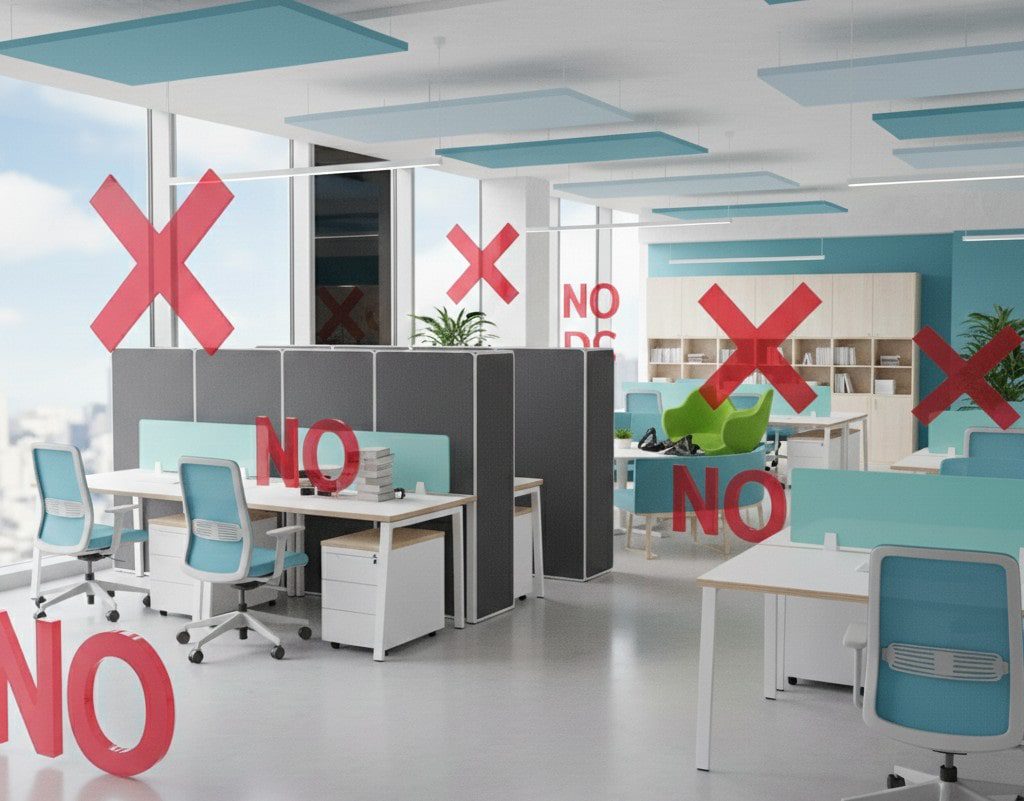
A poorly planned office layout quietly drains productivity, morale, and growth potential long before leadership realizes what is wrong.
This is why office layout decisions deserve the same strategic attention as hiring, technology, and culture. When space planning goes wrong, employees feel it every day through distractions, discomfort, and inefficiencies.
When it is done right, the office becomes a tool that supports focus, collaboration, and long term success. An experienced office furniture company sees these patterns daily and understands which mistakes cost businesses the most.
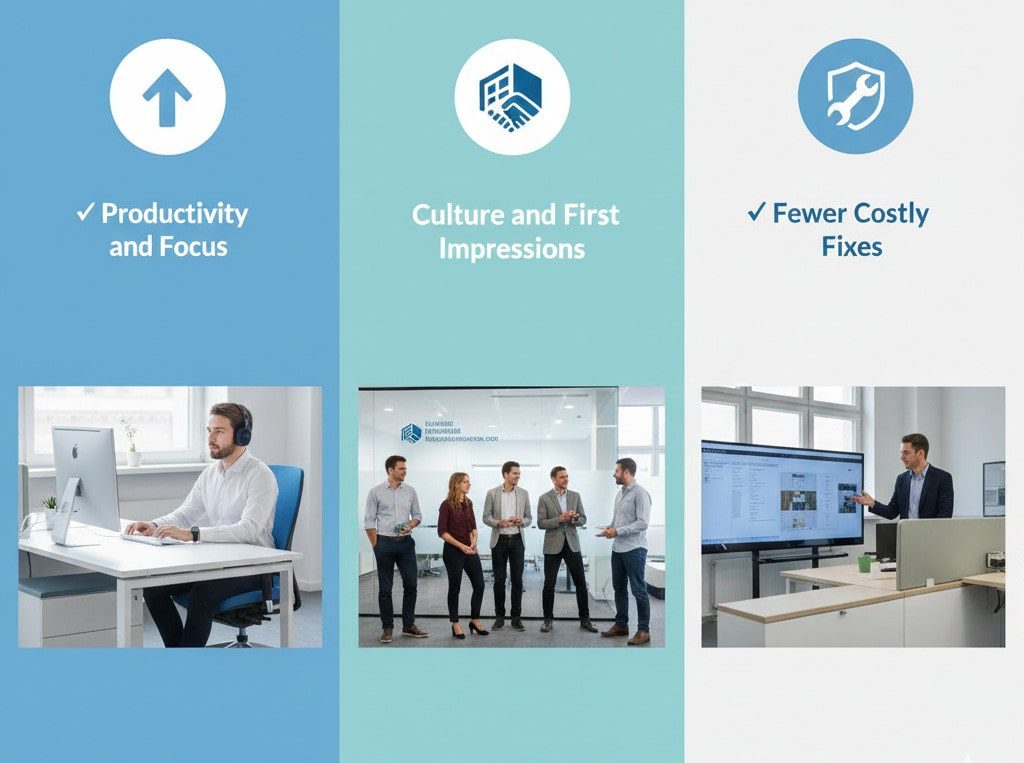
Office layout affects how employees move, collaborate, focus, and feel every day. Many teams think knowing how to decorate an office is mostly about style, but layout is what determines whether the space actually works. When furniture placement supports workflow, ergonomics, and clear movement paths, the office becomes easier to use and more comfortable to spend time in.
A thoughtful, efficient office space layout cuts down distractions and wasted movement, making it easier for people to stay focused and get work done.
Strong commercial office space design ideas do more than look good. They help the office feel organized, intentional, and aligned with the company’s brand and culture.
An experienced office furniture company can spot layout problems early and help avoid expensive rework later, especially as teams grow and needs change.
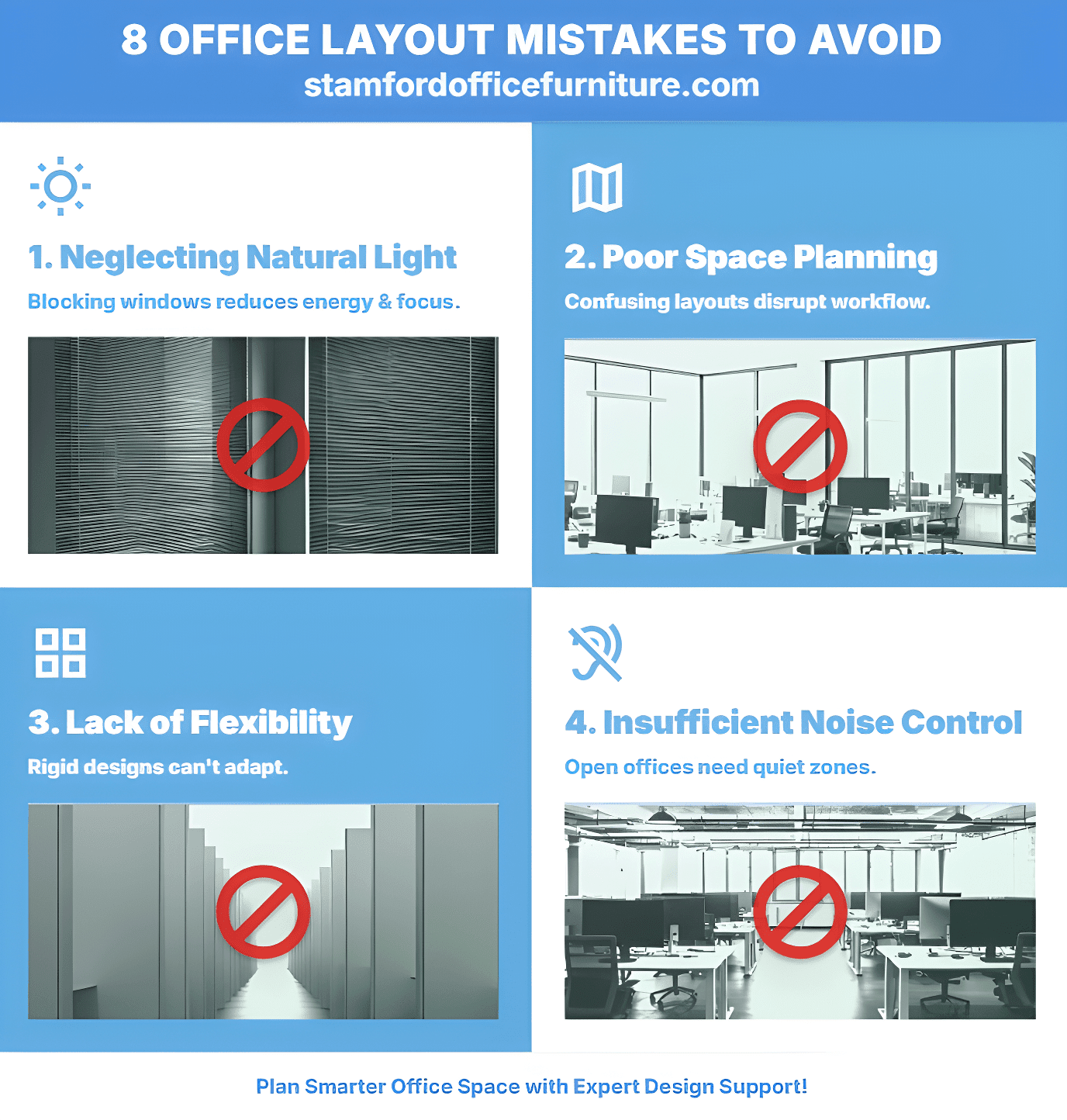
Natural light is one of the most underutilized assets in commercial offices. Blocking windows with tall furniture, solid partitions, or storage units reduces energy levels and contributes to eye strain. Employees placed far from daylight often rely on harsh overhead fluorescent lighting, which can lead to fatigue and headaches.
An office furniture company approaches layout planning by prioritizing window access and light flow. Lower profile workstations, glass partitions, and strategic desk placement help preserve daylight while maintaining functionality. This approach supports wellness while aligning with modern commercial office space design ideas focused on employee wellbeing.
One of the most common mistakes is rushing into a layout without understanding how employees actually use the space. This often results in narrow walkways, congested work zones, or confusing traffic patterns that disrupt daily operations. Maze-like layouts waste time and increase frustration.
Effective planning begins with analyzing workflow, team interaction, and movement patterns. An experienced office furniture company designs layouts that support efficient circulation and intuitive navigation.
This creates an efficient office space layout that feels open, organized, and easy to use rather than cramped or chaotic.
Rigid office layouts may look polished on day one, but they quickly become a liability as teams grow or work styles change. Fixed walls and permanent furniture make it difficult to adapt to new departments, hybrid schedules, or evolving technology needs.
Modern workplaces require flexibility. Modular desks, movable partitions, and reconfigurable seating allow businesses to scale without major disruptions. This is where an office furniture company adds long-term value by recommending adaptable solutions instead of static designs.
Flexibility is a core principle in both efficient office space layout planning and forward-thinking commercial office space design ideas.
Open-plan offices often struggle with noise management. Without quiet zones, focus pods, or acoustic treatments, employees face constant interruptions that reduce concentration and increase stress. Excessive noise is one of the most common complaints in modern workplaces.
Smart layout planning balances collaboration and privacy. An office furniture company integrates sound-absorbing materials, acoustic panels, and designated quiet areas into the layout. These solutions improve focus without sacrificing openness and help businesses understand how to decorate an office that supports different work modes.
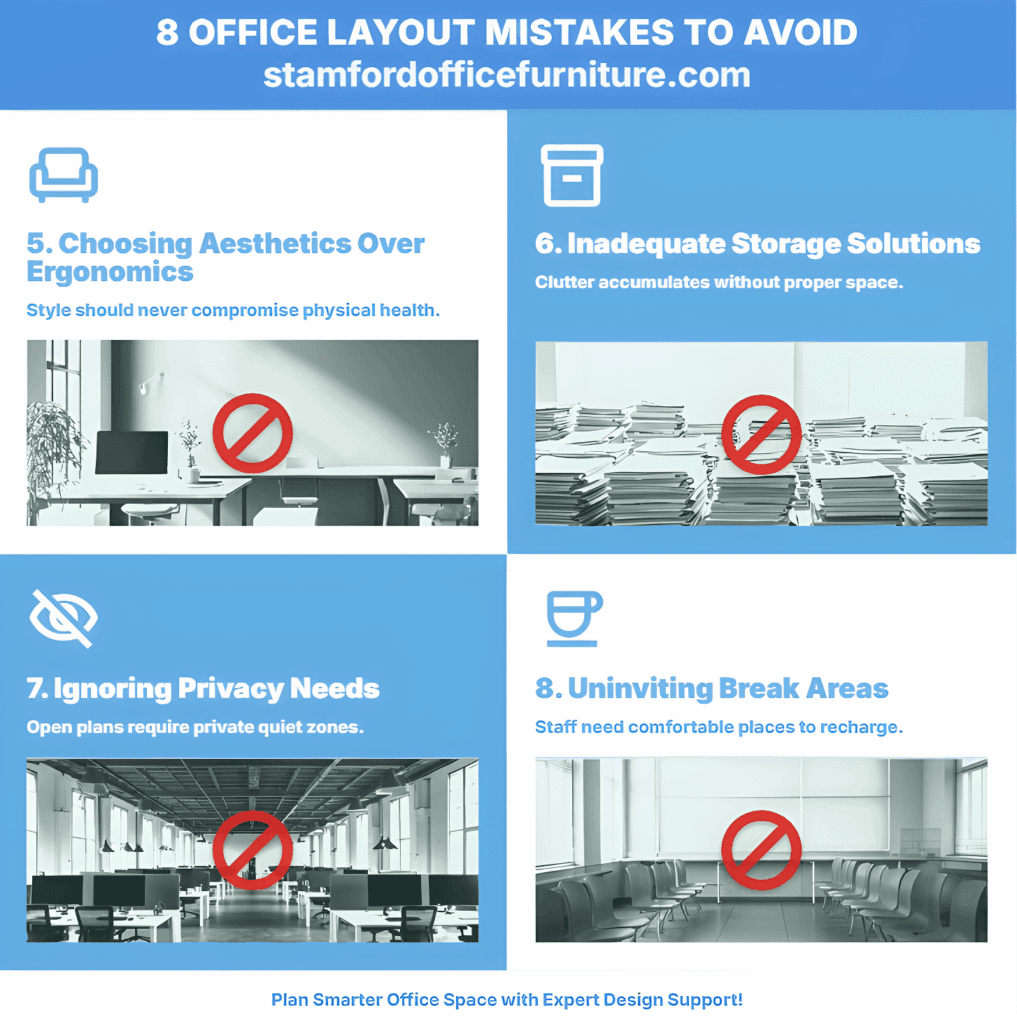
Trendy furniture may look impressive, but appearance should never come at the cost of comfort. Chairs without proper lumbar support, desks at fixed heights, and non-adjustable workstations can lead to long-term physical discomfort and reduced productivity.
Ergonomics is a critical component of professional office design. An office furniture company prioritizes adjustable seating, sit-stand desks, and properly scaled furniture that supports healthy posture. This approach reflects expertise and reinforces trust by placing employee health at the center of design decisions.
Lack of storage leads to cluttered desks, overflowing cabinets, and disorganized workspaces. When storage is treated as an afterthought, productivity suffers and the office quickly feels chaotic.
Smart storage planning includes personal storage, shared supply areas, and centralized filing systems integrated directly into the layout.
An office furniture company ensures storage solutions are functional without consuming valuable floor space. This contributes to efficient office space layout planning and aligns with practical commercial office space design ideas that emphasize organization and clarity.
Even collaborative workplaces require privacy. Employees need spaces for confidential calls, performance reviews, and focused work. When privacy is ignored, employees feel exposed and disengaged.
Effective layouts include private meeting rooms, phone booths, and semi-enclosed spaces that respect confidentiality. An office furniture company understands how to balance openness with privacy using layout strategies rather than excessive construction. This is a critical factor in learning how to decorate an office that supports trust and autonomy.
Break rooms are often overlooked during office planning, yet they play a major role in employee morale and mental recovery. A poorly designed break area discourages employees from taking restorative breaks and reduces overall energy levels.
Thoughtful break spaces include comfortable seating, appropriate tables, and a welcoming atmosphere that encourages relaxation. An office furniture company treats these areas as essential components of the workplace, integrating them seamlessly into the overall layout. This approach reflects modern commercial office space design ideas that value employee experience as much as productivity.
Planning an office layout takes more than arranging desks. It requires a clear view of how the business operates today and how it may change tomorrow. The best efficient office space layout supports productivity, comfort, and smooth movement while keeping the space flexible for growth.
Layout should reflect how people work, whether the team needs more collaboration zones, quiet focus areas, or a mix of both.
Power access, cable management, and device needs should be planned early so the space stays functional and uncluttered.
Natural light, task lighting, and ergonomic furniture choices help reduce fatigue and support employee wellbeing, which matters just as much as style when learning how to decorate an office.
Smart commercial office space design ideas include modular furniture and adaptable zones so the layout can evolve without major disruption.
An experienced office furniture company can tie these factors together into a plan that works in real life, not just on paper.
|
Office Layout Do’s |
Office Layout Don’ts |
|
Prioritize ergonomic furniture for comfort and posture |
Overcrowd workstations or reduce personal space |
|
Create an efficient office space layout with clear circulation paths |
Ignore traffic flow and movement patterns |
|
Maximize natural light throughout the workspace |
Block windows with tall furniture or partitions |
|
Include both collaborative and private work areas |
Eliminate quiet zones and focus spaces |
|
Choose flexible, modular furniture |
Design rigid layouts that cannot adapt |
|
Plan storage as part of the layout |
Forget storage and allow clutter to build |
|
Balance style with function when learning how to decorate an office |
Prioritize aesthetics over usability and ergonomics |
There is no universal ideal office size, as it depends on the nature of the work and the number of employees. However, successful offices allocate enough space for circulation, collaboration, and comfort. Overcrowded environments reduce efficiency and increase stress.
An office furniture company helps businesses maximize available square footage through strategic planning and furniture selection. This ensures that even smaller offices achieve an efficient office space layout without feeling cramped or restrictive.
Yes, office layout plays a role in both physical and mental health. Poor spacing, limited movement, and uncomfortable furniture can contribute to strain and fatigue. Layouts that support ergonomic furniture and encourage movement help reduce discomfort. Mental wellbeing also improves when spaces feel organized and balanced.
Office layouts should be reviewed whenever team size, work style, or technology changes. Many businesses benefit from reassessing their layout every few years. Small updates can prevent the need for major redesigns later. Regular reviews help keep the space aligned with current needs.
Open-plan offices work well for some teams but not all. Without proper planning, they can increase noise and reduce focus. Many businesses benefit from hybrid layouts that combine open areas with private spaces. Flexibility is often more effective than a single design approach.
Yes, modern layouts can support flexible schedules and shared workspaces. Adaptable furniture and clearly defined zones make it easier to accommodate changing attendance. Layouts that support flexibility help future-proof the office. This reduces disruption as work patterns evolve.
Renovations often focus on aesthetics instead of daily use. If workflows and employee needs are not considered, problems remain. Layouts fail when design decisions are made without practical insight. Long-term success depends on planning for how people actually work.
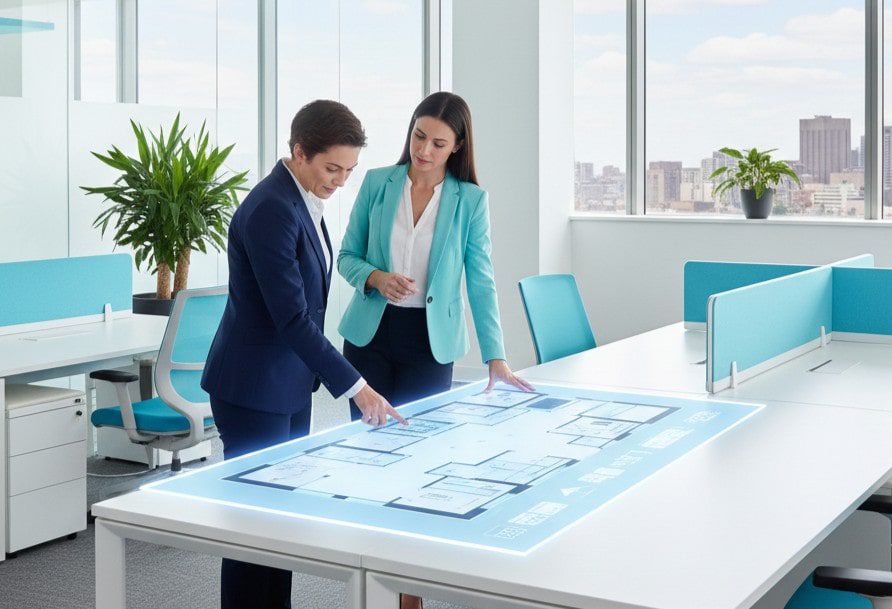
Professional space planning and design plays a critical role in how efficiently a workplace functions and how teams experience it every day. Stamford Office Furniture provides strategic space planning services for businesses in New Haven, CT, combining practical layout expertise with thoughtful furniture solutions that support productivity, comfort, and long-term growth.
With experience supporting a wide range of industries in New Haven, CT, Stamford Office Furniture delivers office environments that balance function, flexibility, and visual consistency without unnecessary disruption.
Connect with Stamford Office Furniture today to discuss professional space planning and design solutions and schedule a consultation!