

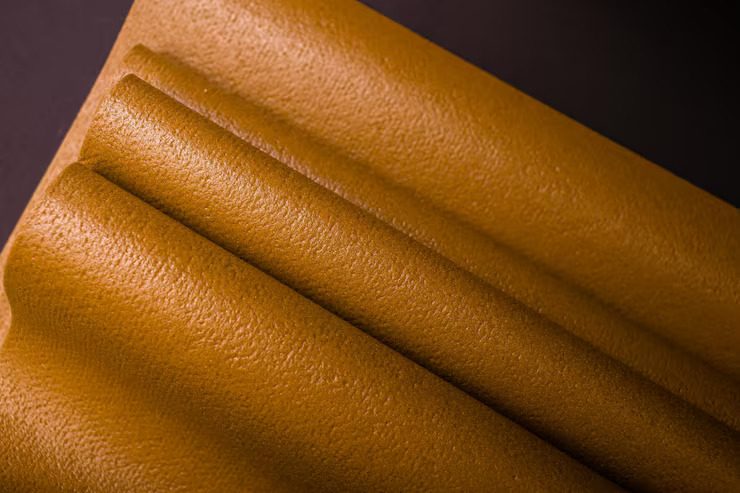
✔ Bonded leather is a blended material made from leather scraps and polyurethane, offering a leather-like look at a lower cost.
✔ It’s affordable and stylish but less durable than real leather, making it better for short-term or light use.
✔ Bonded leather looks similar to genuine leather but lacks the strength, flexibility, and lifespan of real hides.
✔ Cleaning bonded leather requires gentle care with mild soap and water to prevent peeling or cracking.
✔ Bonded leather can be identified by its smooth texture, chemical smell, and fabric backing, unlike genuine leather’s natural grain and scent.
Bonded leather is a popular material often used in office furniture and home décor because it offers the elegant look of real leather at a lower cost. It’s made by combining leather scraps with synthetic materials to create a smooth, uniform finish that mimics genuine leather. While it looks similar, it’s less durable and contains only a small amount of real leather.
Here are the key details you should know.
Bonded leather is a common material in modern office furniture, such as chairs and sofas, made to look like real leather at a lower cost. It has a smooth finish and soft feel, making it popular in both homes and workplaces. But what is bonded leather, really?
It’s a composite material created by blending shredded leather scraps with a polyurethane binder, then pressing the mix onto a paper or fabric backing. A synthetic coating is added to mimic the texture and shine of genuine leather. Although it looks similar, it only contains about 10–20% real leather.
Because it’s more affordable, bonded leather is often chosen for furniture that needs a stylish appearance without the high price tag. It’s consistent in color, easy to clean, and ideal for offices that want a professional look on a budget.
The bonded leather meaning comes from the process used to make it. The term “bonded” refers to how leather scraps are bonded together with polyurethane or latex to form a uniform sheet. Instead of using full animal hides like traditional leather, manufacturers recycle leftover leather pieces, turning them into a new material.
For buyers who like the look and feel of leather but don’t want to spend a lot, bonded leather offers a middle ground. It provides the appearance of luxury without the premium cost. However, it’s helpful to know what’s underneath that smooth surface before making a purchase. Understanding the bonded leather meaning helps people set realistic expectations for its look, feel, and lifespan.
When asking what is bonded leather made of, the answer lies in its unique combination of natural and synthetic materials. It’s not pure leather, but rather a blend designed to imitate it.
Bonded leather is made of:
This process creates a material that looks sleek and uniform, but because the fibers are pressed and coated, it lacks the natural strength and flexibility of genuine leather.
This method makes bonded leather cost-efficient to produce, which is why it’s commonly used for affordable office furniture like conference chairs or executive seating.

Like most materials, bonded leather has both benefits and drawbacks that buyers should consider before purchasing, especially when comparing bonded leather vs leather for durability and long-term value.
When asking what is bonded leather made of and how it compares to real leather, the difference comes down to quality and durability. Bonded leather may look like genuine leather at first, but it’s made from shredded leather fibers mixed with polyurethane, which makes it less durable and flexible.
For office furniture, bonded leather offers a professional look at a lower cost. Genuine leather, on the other hand, lasts much longer and develops character over time. Understanding the genuine leather meaning helps buyers see why it’s valued for its natural texture, strength, and ability to age beautifully. While bonded leather is affordable and available in many colors, its shorter lifespan makes it better suited for light or occasional use.
Feature | Bonded Leather | Genuine Leather Meaning |
Material | Shredded leather fibers with polyurethane | Full animal hide |
Durability | 2–5 years with care | 10–20+ years |
Appearance | Smooth, uniform | Natural grain, unique look |
Comfort | Less breathable | Soft, flexible, breathable |
Maintenance | Can peel or crack | Ages well, easy to condition |
Cost | Budget-friendly | More expensive, long-term value |
Best For | Affordable, low-use furniture | Premium, long-lasting pieces |
In the end, the choice between bonded leather vs genuine leather depends on budget and usage. Bonded leather is affordable and stylish for short-term or light use, while genuine leather offers superior durability, comfort, and long-term value for those seeking lasting quality.
Bonded leather is often used in office furniture and home décor for its sleek look and low maintenance. But it’s not as tough as real leather, so cleaning it the right way is key. Gentle cleaning helps prevent peeling and keeps it looking new.
When cleaning, remember that bonded leather vs leather requires a gentler approach. Wipe bonded leather with a soft, damp cloth to remove dust or dirt. For deeper cleaning, mix a few drops of mild dish soap with warm water. Avoid harsh cleaners like bleach or alcohol, as they can damage the surface and cause cracks.
After wiping, dry the surface with a microfiber cloth. Don’t leave moisture behind, and never use heat to speed up drying—this can make bonded leather peel or fade over time.
Keep bonded leather out of direct sunlight and away from heat sources. Sunlight and warmth can cause peeling or discoloration. For office furniture, move pieces occasionally to prevent uneven wear.
Clean spills as soon as they happen using a damp cloth. Dab gently—don’t rub hard. A small amount of mild soap can help lift light stains without harming the surface.
After wiping, dry the surface with a microfiber cloth. Don’t leave moisture behind, and never use heat to speed up drying—this can make bonded leather vs leather surfaces peel or fade more quickly.
It can be hard to tell bonded leather from genuine leather since both look similar at first. Many people also wonder, is bonded leather real leather? The answer lies in a few key details that reveal the difference. Knowing what to look for helps buyers choose wisely when shopping for office furniture or décor made with leather.
Genuine leather feels soft and uneven, with small imperfections that make each piece unique. Bonded leather feels smoother and more uniform since it’s made from leather scraps mixed with polyurethane. Its pattern often looks too perfect to be real.
Check the edges or underside. Real leather has a rough, suede-like backing, while bonded leather usually has a fabric or paper backing because it’s pressed and glued together. This backing is one of the quickest ways to tell them apart.
Genuine leather has a rich, natural smell, while bonded leather smells more like chemicals or plastic due to its synthetic coating. The scent is a clear clue for spotting real leather versus imitation materials and helps answer the question, is bonded leather real leather.
Bonded leather is much cheaper than genuine leather, which makes price a strong indicator. Always read tags carefully—manufacturers usually label their products accurately with terms like “bonded” or “genuine.”
Over time, genuine leather develops a soft patina and becomes more flexible, while bonded leather tends to crack or peel instead. This difference clearly shows that although it looks similar, the answer to is bonded leather is real leather is no—its surface wears much faster, especially on office furniture used daily.
Bonded leather can’t truly be repaired once it starts peeling because the top coating is synthetic. Some surface fixes, like leather repair kits or patching, may temporarily improve the look, but they don’t restore durability. Reupholstering is often the only long-term solution when peeling becomes visible.
Bonded leather is not the best choice for homes with pets. Claws can easily scratch or tear the coating, and cleaning pet hair off the smooth surface can be tricky. Genuine leather or high-quality faux leather tends to hold up better under regular pet use.
No, regular leather conditioners aren’t suitable for bonded leather because they can break down the synthetic coating. It’s better to use a conditioner made specifically for faux or synthetic leathers. These help keep the surface flexible without causing peeling.
Bonded leather isn’t ideal for high-traffic areas or frequently used furniture. The coating can wear down quickly with heavy use, leading to cracks or peeling. It’s better suited for decorative or low-use pieces.
Bonded leather is available in a wide range of colors and finishes, from classic browns and blacks to bold, modern shades. The synthetic top layer allows for easy dyeing and texturing. This makes it a versatile option for both home and office furniture designs.
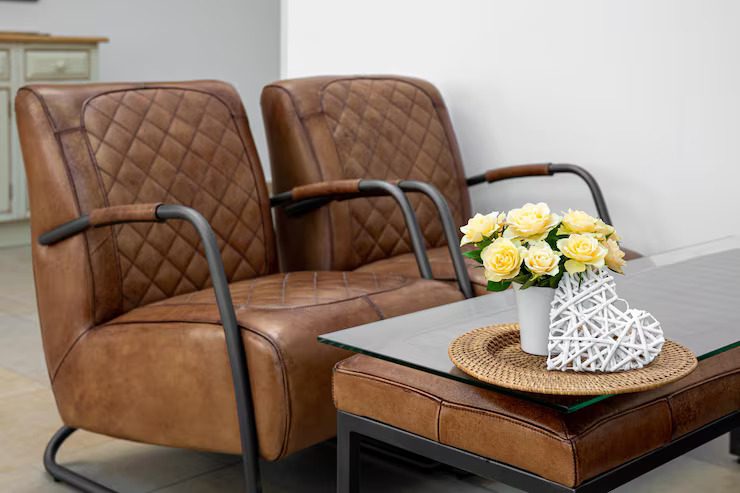
Enhance any workspace in New Haven, CT, with high-quality office furnishings designed for lasting comfort and a polished, professional look. From modern seating to functional desks, Stamford Office Furniture provides pieces that fit a variety of office layouts and design preferences. Every setup in New Haven, CT, can benefit from furniture that combines durability, elegance, and everyday practicality.
Visit Stamford Office Furniture today to discover the perfect solutions for any office in New Haven, CT.