

✔ Comfortable seating in waiting room furniture sets leaves a lasting positive impression on clients.
✔ Proper measurements prevent office waiting room furniture from overcrowding or underfilling a space.
✔ Durable materials in reception lounge furniture withstand heavy daily use and maintain a professional look.
✔ Matching reception area furniture sets to brand colors and style strengthens identity and trust.
✔ Modular reception seating offers flexibility for changing layouts and varying client needs.
✔ Accessibility-focused designs ensure comfort for all visitors, including those with mobility challenges.
✔ Avoid overcrowding to maintain comfort, privacy, and smooth movement in the reception area.
✔ Regular maintenance keeps office waiting room furniture looking fresh and extends its lifespan.
A well-designed waiting area can set the tone for the entire client experience, influencing how visitors perceive a business before a single word is spoken. The seating arrangement, style, and comfort level of waiting room furniture sets often speak volumes about professionalism, care, and attention to detail. Choosing poorly—whether through mismatched styles, uncomfortable designs, or impractical layouts—can unintentionally leave a negative impression that lingers long after the visit.
Here are six mistakes to avoid when selecting waiting room seating.

Prolonged sitting can lead to serious occupational health and safety issues, yet it’s easy to focus on how seating looks and forget how it feels—attractive designs may draw attention, but if clients spend 10, 20, or even 30 minutes in discomfort, their impression can quickly sour.
Even the most beautiful seating cannot hide the fact that it causes backaches or awkward posture. Once a client associates discomfort with a visit, it can overshadow the quality of service received.
Seating without proper lumbar support or cushioning can make waiting feel longer, causing clients to shift constantly and creating a restless, uneasy environment. This is an important consideration as ergonomics increasingly shape the client experience in a furniture market projected to reach 1.5 billion users by 2029.
Trendy designs that ignore comfort can feel outdated within a few years, leaving both the style and client experience lacking. A timeless, well-made piece balances aesthetics with the support people need during their wait.
Furnishing a reception area without measuring and planning often leads to cramped spaces or awkward empty zones. When office waiting room furniture overwhelms the room, it limits mobility and makes the space feel unwelcoming. On the other hand, furniture that is too small for the area can make the business appear underprepared or inattentive.
Oversized chairs or bulky sofas can block pathways, making it harder for clients and staff to move comfortably. For example, a small clinic that uses large, ornate reception area furniture sets may unintentionally create bottlenecks at the check-in desk.
Empty corners or wide gaps between chairs can make the waiting area feel cold and disconnected. Placing modular reception seating in these areas creates smaller, inviting clusters that encourage conversation or privacy as needed.
Strategic layouts that facilitate smooth movement from the entrance to the seating area and then to the service area help clients feel at ease. A well-planned arrangement of office waiting room furniture signals that every detail has been considered.
Reception areas experience constant use, and low-quality materials show wear quickly. Choosing attractive but fragile reception lounge furniture can lead to sagging cushions, scratches, and stains that harm the business’s image. Durable, easy-to-maintain pieces protect the investment and keep the space looking professional for years.
Commercial-grade fabrics and reinforced frames withstand daily use better than residential-grade pieces. For example, a busy law firm benefits from waiting room furniture sets with stain-resistant upholstery that keeps its polished look.
Furniture that requires special cleaning or frequent repairs becomes a hidden cost. Selecting reception area furniture sets with removable cushions or wipe-clean surfaces reduces upkeep time and expense.
Shabby or damaged seating sends the message that details do not matter. Investing in high-quality reception lounge furniture ensures clients see a space that reflects care and professionalism.
For businesses, furniture is more than a place to sit—it is a visual extension of the brand. When office waiting room furniture does not match the company’s style, it can confuse clients about what the business stands for. Consistency in color, design, and materials builds trust from the moment a client walks in.
Cool tones in reception area furniture sets can create a calm, professional feel, while warm tones may make the space feel welcoming and friendly. For example, a spa might choose soft beige reception lounge furniture to promote relaxation.
Minimalist modular reception seating suits tech startups, while rich, classic leather chairs work for financial institutions. The wrong style sends mixed signals about the services offered.
Eco-friendly fabrics or reclaimed wood accents communicate sustainability values. A law firm that chooses dark, solid wood office waiting room furniture reinforces an image of stability and tradition.
Ignoring accessibility not only limits who can comfortably use the space but can also result in non-compliance with regulations. Modular reception seating and adjustable designs ensure that all clients, including those with mobility challenges, feel welcome and accommodated.
Taller chairs are beneficial for individuals with knee or hip concerns, while lower seats can be more suitable for children. Integrating different sizes within waiting room furniture sets allows inclusivity without sacrificing style.
Wheelchairs and walkers require extra clearance. Arranging office waiting room furniture to leave ample space between rows prevents crowding and ensures smooth movement.
Sturdy armrests help clients sit and stand safely. Selecting reception area furniture sets with supportive armrests shows thoughtfulness toward all visitors.
To maximize seating, some businesses overfill their reception areas, which creates a cramped, uncomfortable atmosphere. This can make reception lounge furniture less inviting and increase noise levels as guests sit too close together. A balance between seating capacity and comfort is key.
People prefer a bit of distance from others in public settings. Removing a few chairs from the office waiting room furniture arrangements can improve comfort and reduce tension.
Excessive seating leaves little room for side tables, décor, or greenery. Using modular reception seating allows flexibility to adjust the layout without sacrificing style.
Receptionists and staff need clear walkways to greet and assist clients efficiently. Reducing the number of pieces in waiting room furniture sets can improve both client and employee experiences.
A well-planned reception space involves creating an inviting, functional environment that supports client comfort and staff efficiency. The right measurements and layout choices ensure waiting room furniture sets fit seamlessly without crowding or leaving awkward gaps. By taking the time to plan carefully, businesses can create a balanced space that looks professional and feels welcoming.
Start by measuring the length, width, and height of the room to understand its full capacity. Knowing ceiling height helps determine whether tall office waiting room furniture or shelving will overwhelm the space. Accurate measurements prevent buying pieces that are either too large or too small.
Leave at least 36 inches of clear walkway space to ensure easy movement for all visitors, including those using mobility aids. Arranging reception area furniture sets with accessibility in mind not only complies with regulations but also shows attention to client needs. This spacing also improves the flow of people entering and leaving.
Identify areas where people frequently move, such as between the entrance and reception desk. Avoid placing bulky reception lounge furniture in these zones to prevent congestion. This keeps the space open, organized, and easy to navigate.
Consider whether rows, clusters, or modular reception seating best fits the room’s size and shape. Clusters work well for conversational settings, while rows may suit fast-paced environments like clinics. Modular pieces allow quick rearrangement for different events or crowd sizes.
Side tables, plants, and charging stations add comfort but require dedicated space. Integrating these elements alongside waiting room furniture sets makes the area more functional without feeling cluttered. Measure for these additions early to avoid last-minute crowding.
Use masking tape to outline the footprint of office waiting room furniture before buying. This visual guide helps spot potential flow issues or overcrowding before committing. Testing layouts in advance ensures the final arrangement is both practical and visually appealing.
Natural and artificial light can greatly impact how waiting room furniture sets look and feel in the space. Position seating to take advantage of daylight without causing glare, and use floor or table lamps to create a warm, inviting atmosphere. Thoughtful lighting placement enhances the appeal of office waiting room furniture and improves overall comfort.
A reception area typically includes a reception desk for greeting and checking in visitors, often equipped with a computer, phone, and office supplies. Comfortable seating, such as sofas, armchairs, or modular seating, is provided for guests while they wait. Additional pieces may include coffee tables, side tables, display shelving, and literature racks for magazines or brochures. Decorative elements like plants, artwork, and lighting fixtures help create a welcoming and professional atmosphere.
Office furniture can be categorized by function, such as workstations, storage solutions, seating, and meeting/conference furniture. Another approach is to group by location, like reception area, private offices, break rooms, and collaborative spaces. You can also categorize by type—desks, chairs, filing cabinets, shelving units, and accessories. For purchasing and inventory purposes, many businesses also use categories based on durability, style, or ergonomics.
When laying out office furniture, start by considering workflow and how employees will move between key areas. Place workstations in positions that allow easy communication while minimizing distractions, and keep high-traffic areas clear. Ensure meeting rooms, break areas, and collaborative spaces are positioned for convenient access without disrupting focused work zones. Factor in natural light, storage needs, and ergonomic spacing to maintain comfort and productivity.
A general rule is to allow at least 3 feet (about 1 meter) of clear space behind a reception desk for ease of movement. If the receptionist needs to access filing cabinets, printers, or other equipment, increasing this to 4–5 feet is ideal. This extra room helps maintain efficiency and prevents crowding, especially during busy times. Adequate space also ensures accessibility for individuals using mobility devices.
The 10 basic rules of furniture arrangement typically involve balancing form and function, starting with a focal point and arranging major pieces around it. Maintain clear pathways, scale furniture to room size, and use symmetry or asymmetry to create visual interest. Prioritize comfort and usability, making sure seating is arranged for conversation and activities. Consider lighting, spacing, and proportion so the arrangement feels both inviting and practical.
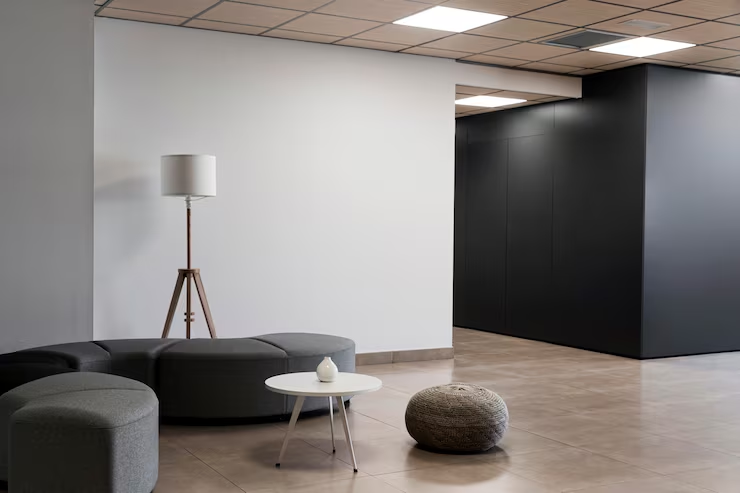
At Stamford Office Furniture, we help businesses in New Haven, CT, create reception spaces that impress from the moment clients walk in. Our curated selection of waiting room furniture sets, office waiting room furniture, and reception lounge furniture blends comfort, durability, and style to suit any brand. Whether it’s flexible modular reception seating for a growing company or elegant reception area furniture sets that make a lasting statement, every piece is chosen with both form and function in mind.
Visit our showroom or speak with our team today to find furniture that’s right for your business.