

✔ Providing several seating options in a reception area improves comfort for all types of guests.
✔ Varied seating supports accessibility for seniors, families, and individuals with mobility challenges.
✔ A thoughtful seating layout enhances guest flow and reduces bottlenecks.
✔ Reception seating can reflect a company’s brand, values, and professionalism.
✔ Flexible seating adapts to changing needs and guest volumes throughout the day.
✔ High-quality materials ensure durability and easy maintenance in busy waiting areas.
✔ Working with professionals helps optimize comfort, layout, and visual appeal
✔ The right office reception seating solutions improve guest satisfaction and loyalty.
Reception areas set the tone for how a business is perceived from the moment someone walks through the door. A thoughtfully designed space communicates professionalism, care, and inclusivity, especially when it offers seating that meets the needs of diverse visitors. From parents with young children to clients with mobility concerns, everyone benefits when seating options are both functional and inviting.
Here are six key reasons why it is important to provide several seating options in a reception area.
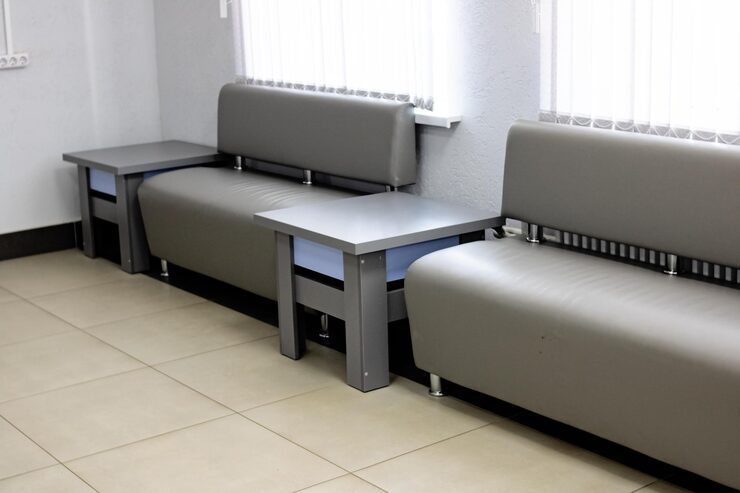
Prolonged sitting can lead to discomfort and even occupational health concerns, making it essential to provide seating that supports posture and reduces strain. Offering different seating options makes people feel more at ease, no matter their age, ability, or reason for visiting.
Reception areas welcome people from all walks of life—visitors with disabilities, elderly guests, parents with small children, and others who may need extra support. Providing several seating options ensures that no one is left standing or struggling to find a comfortable place to wait.
A well-designed seating plan does more than offer comfort—it also directs the natural movement of people through a space. With the right layout, reception areas feel organized, calm, and easy to navigate. By strategically placing seating, businesses can enhance the flow of traffic, reduce congestion, and create a welcoming atmosphere for all visitors.
The reception area is often the first visual cue about what a business stands for. The seating selected can say a lot about a company’s values, tone, and attention to detail.
Reception areas don’t serve one type of visitor or purpose all day long. Seating needs may change depending on the time, day, or nature of appointments. Flexibility in seating allows the space to adapt to varying guest volumes and needs throughout the day.
Understanding why it is important to provide several seating options in a reception area involves considering the guest experience. Comfort, convenience, and thoughtful design all contribute to how someone feels while waiting—and whether they want to return. A well-designed space can leave a lasting impression, fostering trust and loyalty from the very first visit.
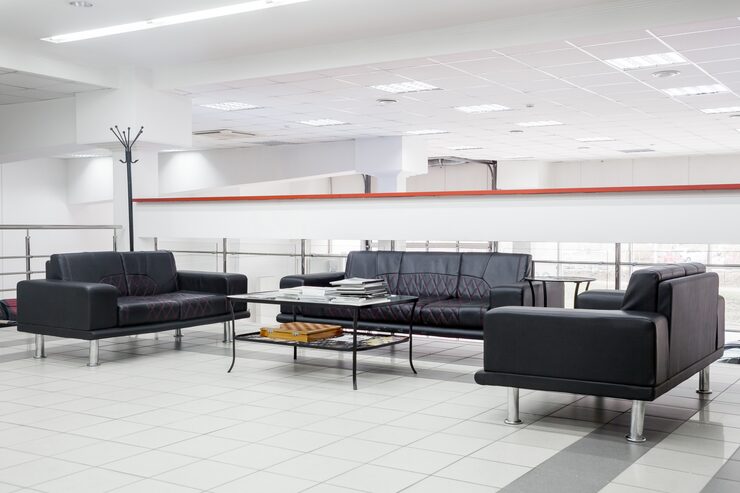
Choosing the right seating isn’t just about style—it’s about meeting real needs with thoughtful design. From comfort to layout, every detail in the reception area influences how guests feel the moment they arrive. Here’s how to make smart, inclusive choices that improve first impressions and functionality:
The first step is identifying who will be using the space most often—clients, patients, parents, seniors, or children. For example, a pediatric office will need more playful, low-to-the-ground seating, while a corporate firm may benefit from structured armchairs. Understanding this helps ensure the right mix of office reception seating solutions that suit different needs.
Too much soft seating can make it hard for some guests to stand up, especially older adults or those with mobility issues. A mix of plush lounge chairs and firm seats with supportive backs allows for greater comfort and choice. The benefits of varied seating in reception are clearest when both relaxation and support are considered.
Americans with Disabilities Act (ADA) compliant seating is a must, and inclusive design goes beyond legal requirements. That includes having chairs with arms, open space for wheelchairs, and stable seats that are easy to get in and out of. Working with professionals helps ensure accessibility isn’t an afterthought—it becomes part of the plan for offering flexible seating in waiting rooms.
Seating is part of a brand’s voice. Sleek leather chairs send a different message than warm upholstered benches or eco-friendly bamboo furniture. When different types of seating in reception match the company’s tone, the entire space feels intentional and polished.
Reception areas experience heavy daily use. Seats should be made of materials that resist stains, wear, and frequent cleaning—without sacrificing comfort. Professionals can help identify office reception seating solutions that look great while standing up to real-life traffic.
Seating should be able to adapt as needs change over time. Modular furniture, mobile chairs, and sectional sofas make it easy to reconfigure the space for different guest volumes. This makes improving guest experience with seating options more sustainable—and easier with professional design input.
Even the best seating won’t work if it’s placed poorly. The layout of a reception area affects how comfortable guests feel and how easily they can move through the space. A thoughtful arrangement balances visual appeal, accessibility, and functionality.
Guests should immediately see where to go when they walk in. Clear sightlines to the front desk help reduce confusion and lower stress levels. Professionals often recommend placing different types of seating in reception areas off to the side or in defined zones, so nothing blocks the check-in process.
A well-planned reception can include quiet corners for solo visitors, group seating for families, and flexible spaces for short waits. These zones help avoid overcrowding and make everyone feel accommodated. This approach reflects the benefits of varied seating in reception and shows intentional care for diverse guests.
Seating that’s too close together feels cramped and uncomfortable. Leave space for people to walk easily between chairs, especially for guests using walkers or wheelchairs. Working with professionals ensures office reception seating solutions are spaced to meet safety standards without sacrificing style.
Strategic placement of benches, chairs, and tables can direct guests naturally from entrance to seating to check-in. This eliminates the need for signs or staff redirection. Offering flexible seating in waiting rooms becomes more effective when flow feels effortless.
Guests shouldn’t have to squeeze past furniture to reach their seat. Clear walkways make the space feel open and inviting while also meeting ADA guidelines. Professionals help map out layouts that make room for both movement and comfort.
While it’s tempting to focus on colors and design, seating layout must also support function. For example, avoid placing low lounge chairs directly under bright lighting or facing busy doorways. Professionals know how to blend beauty with smart layout choices to enhance the overall guest experience with seating options.
Incorporating plants, artwork, or subtle partitions can help define seating areas without making the space feel closed off. These elements reduce visual noise and offer a sense of calm, especially in busy or high-stress environments. When paired with thoughtful use of color—which can increase brand awareness and recognition by up to 80%—these design features enhance both atmosphere and brand presence.
High-traffic reception areas benefit most from materials that are both durable and easy to maintain, such as vinyl, leather alternatives, and stain-resistant fabrics. These options hold up well under constant use and frequent cleaning without looking worn. Choosing the right materials also supports long-term cost savings and cleanliness. When paired with the right office reception seating solutions, these materials help maintain a polished, welcoming space over time.
Reception seating should be evaluated at least once every two to three years, depending on wear and usage. Outdated or damaged seating can negatively affect how guests perceive a business. By refreshing different types of seating in reception areas periodically, businesses can stay aligned with both style trends and guest needs. Regular updates also support improving guest experience with seating options as expectations evolve.
Yes, modular seating is especially effective in smaller reception areas because it can be customized to fit tight spaces. Pieces can be rearranged easily to maximize seating without overcrowding the room. Offering flexible seating in waiting rooms—even compact ones—helps accommodate different guest scenarios without sacrificing comfort. Working with professionals ensures the layout remains functional and visually balanced.
Lighting plays a key role in making reception seating areas feel safe, warm, and functional. Poor lighting can make a space feel cold or even unsafe, especially near entrances or seating zones. The benefits of varied seating in reception become even more noticeable when paired with soft, well-placed lighting that enhances the space. Professional designers often layer lighting with seating layouts to create comfort and visibility.
In medical settings, calm and comfort are essential. Arranging seats to provide personal space, incorporating natural elements, and avoiding direct views of check-in counters can help reduce anxiety. Choosing calming colors and integrating different types of seating in reception—like cushioned chairs, privacy pods, and window-side seating—promotes a more relaxed environment. These details reflect thoughtful office reception seating solutions that support wellness-focused experiences.
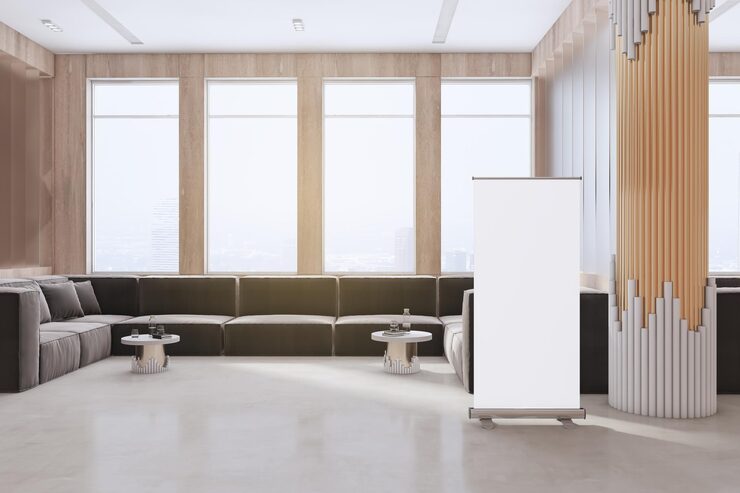
At Stamford Office Furniture, we help businesses in New Haven, CT, design reception areas that leave a lasting impression—combining comfort, function, and style with expertly chosen seating solutions. Whether outfitting a medical office, corporate lobby, or creative space, our team brings decades of experience and a keen eye for practical design. From modular seating to executive lounge pieces, we offer office reception seating solutions that match the unique rhythm of your business.
Contact us today to create a space where guests feel welcome the moment they walk in.