How a Flexible Seating Classroom Transforms Student Engagement
Table of Contents
Key Takeaways
✔ Students feel more responsible and engaged when they have the freedom to choose where they sit.
✔ Flexible seating helps reduce restlessness and keeps students more alert during lessons.
✔ Collaborative seating arrangements encourage more interaction and teamwork among students.
✔ Comfortable and varied seating options increase excitement and make learning feel more enjoyable.
✔ Movement-friendly seating helps manage energy levels and supports better classroom behavior.
✔ Selecting the right mix of seating ensures comfort, supports different learning styles, and maintains an effective classroom flow.
Traditional classrooms often use fixed seating, which may not support every student’s learning needs or comfort. In contrast, a flexible seating classroom offers a variety of seating options that let students choose how and where they work best.
This simple shift can lead to better focus, more collaboration, and a stronger sense of ownership over learning. When students feel comfortable and empowered, they’re more likely to stay engaged and participate actively.
Here are ways a flexible seating classroom can transform student engagement.
5 Benefits of Flexible Seating in the Classroom
1. Increased Student Choice and Autonomy
Flexible seating classrooms give students the power to choose where and how they sit, which can make a big difference in how they feel and perform. Instead of being told to sit at the same desk every day, students get the freedom to pick a spot that helps them focus, stay comfortable, and feel in control of their learning.
Creating Opportunities for Choice
When students are allowed to choose their seating, they become more engaged in their learning process. They start thinking about what kind of seat helps them focus, collaborate, or calm down.
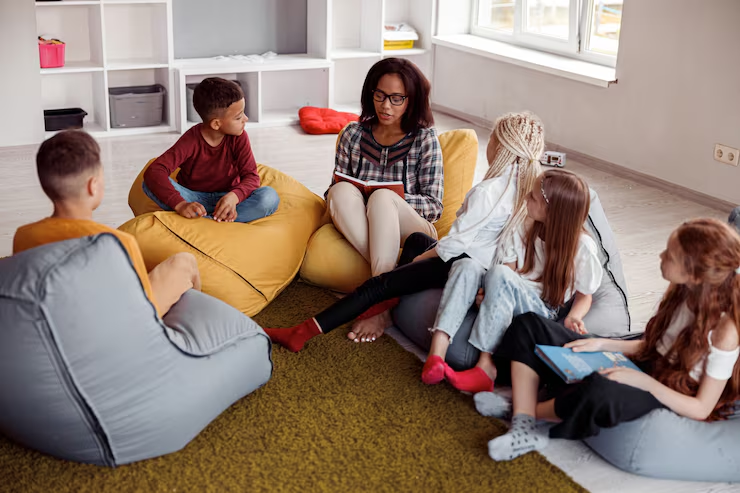
Comfort-First Spaces: Soft cushions, bean bags, or ergonomic classroom chairs allow students to stay comfortable while working. These options can reduce physical discomfort and help students stay focused longer in a flexible seating classroom.
Task-Based Areas: Tall stools or floor seats can be placed at different stations to match the activity, whether it’s group work, reading, or independent tasks. Matching the seat to the task makes it easier for students to stay organized and mentally prepared.
Quiet Corners: These are helpful for students who need a calm space to work alone or reset, offering a break from busier areas in the room. Quiet seating helps students manage their emotions and improves concentration.
Encouraging Responsibility and Independence
Letting students pick their own seat teaches them to make decisions and accept the results of those choices. It supports personal growth and self-awareness over time
Daily Decision-Making: Students must choose where to sit based on how they feel and what they need to do that day. Over time, this helps them build self-reflection skills and better understand their learning needs.
Respecting Shared Spaces: With dynamic seating arrangements, students learn to care for materials and respect others using the same areas. It also teaches them how to communicate and cooperate in shared environments.
Problem-Solving Skills: If a chosen seat doesn’t work well, students are encouraged to reflect and try something new the next day. This kind of flexible thinking is valuable beyond the classroom.
Using Seating Variety to Match Learning Needs
A wide range of seating options helps students match their environment with their learning style. Some need active seating, while others focus better in calm, still settings
Ergonomic Classroom Chairs: These give good posture support for students who prefer a structured setup and help reduce discomfort during longer tasks. In classrooms where students sit for extended periods, comfort can directly affect learning performance.
Classroom Flexible Seating Ideas: Incorporating yoga balls, standing desks, or lap desks adds fun and flexibility, while also giving students more options. These seating variations keep students physically engaged and mentally alert.
2. Improved Focus and Attention
A flexible seating classroom can help students stay focused by offering options that match how they like to work. When students have a say in where and how they sit, they’re less likely to feel restless or distracted. This creates a more comfortable space that supports better attention and learning.
How Flexible Seating Helps Students Stay Alert
Movement and choice are key. Traditional desks often limit how students can move, which can lead to boredom or fidgeting. Dynamic seating arrangements offer students the freedom to sit in different ways throughout the day, depending on the task or how they’re feeling.
AllowsMovement Without Disruption: Instead of staying in one spot, students can shift to a new seat—like a cushion, a stool, or a floor spot—when they need to refocus, without disturbing the class.
Encourages Active Sitting: Options like wobble stools, balance balls, or ergonomic classroom chairs keep small muscles engaged. This low-level movement supports mental focus and reduces the need for larger, distracting movements.
Supports Self-Awareness: Students start to understand which types of seating help them focus best. This self-awareness builds responsibility and helps them choose the best seat for different tasks.
Classroom Flexible Seating Ideas That Support Focus
Teachers can set up their classroom using a mix of furniture that helps students concentrate better. By mixing seating types, the classroom becomes more adaptable to individual needs.
Creating Floor Seating Areas: Soft rugs or cushions give a relaxed space for quiet reading or independent work.
Using Standing Desks: Great for students who like to stretch or move—these stations let them stay engaged without sitting.
Assigning Individual Quiet Corners: Small desks placed away from groups support students who need a calm space to concentrate.
Opting for Ergonomic Classroom Chairs: These chairs give proper back support and can be adjusted, helping students stay comfortable during longer tasks.
Why Comfort Matters for Focus
When students are physically comfortable, they’re better able to keep their minds on their work. A flexible seating classroom that uses thoughtful, comfortable seating can reduce distractions caused by discomfort or poor posture.
Reduces Fidgeting From Discomfort: Sitting in the same rigid chair all day can cause restlessness and distract from learning. Since classroom chairs play a key role in student comfort and concentration, using ergonomic designs becomes essential. Ergonomic classroom chairs are engineered to support posture and ease, helping students feel more comfortable and confident throughout the day.
Improves Posture and Energy Levels: With the right support, students can maintain better posture, which helps with breathing and energy—key parts of staying alert.
3.Enhanced Collaboration
A flexible seating classroom supports better teamwork by creating a space that makes it easier for students to talk, share ideas, and solve problems together. With movable furniture and a variety of seating options, students feel more comfortable and willing to participate.
This is especially important, as a recent study conducted with Flinders University and Melbourne Graduate School of Education found that fewer than one-third of teachers are engaging students in complex learning. As a result, many students miss out on opportunities to build critical thinking and problem-solving skills without a flexible learning setting.
Open Layout Encourages Group Work
A traditional classroom usually has desks in straight rows, making it hard for students to work together. But a collaborative classroom seating plan changes that. With fewer fixed arrangements and more room to move, students naturally come together in groups.
Group-Friendly Zones: The room includes sections designed for small group talks or team projects, making it easier for students to sit together and share tasks.
Clear Lines of Sight: Everyone can see each other better, making it simple to talk face-to-face during group discussions.
Less Disruption: Because students can spread out and find their own spaces, group work doesn’t disturb others nearby.
Seating Choices That Build Connection
Seating variety is a big part of making collaboration happen. When students have a say in where and how they sit, it builds trust and encourages conversation. A classroom with dynamic seating arrangements helps students feel more comfortable joining group activities.
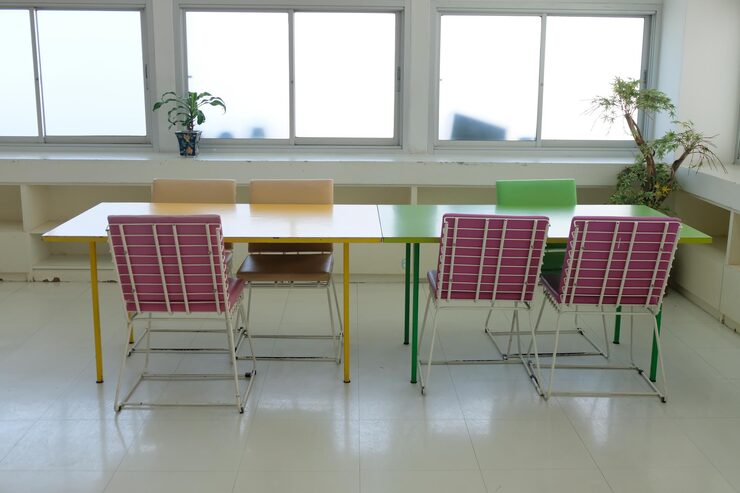
Collaborative Tables: Tables made for group work help students sit together and see each other easily. These are great for teamwork and sharing materials.
Ergonomic Classroom Chairs: Comfortable, supportive chairs keep students focused longer and reduce discomfort during group tasks.
Movable Seating Options: Stools, floor cushions, and even bean bags can be shifted around to fit the needs of any activity. These ideas fall under practical classroom flexible seating ideas that support engagement.
Promoting Social Learning
Working in groups helps students learn from one another. A flexible seating classroom gives students more chances to speak up, ask questions, and help others. This builds confidence and strengthens learning.
Peer Support Spaces: Areas that invite students to sit close together make it easier to ask questions and offer help to one another.
Dynamic Grouping: With dynamic seating arrangements, students can work with new partners more often, which builds communication skills.
4. Boost in Student Motivation
A flexible seating classroom can bring new energy into the learning environment. When students are given the ability to choose where and how they sit, it can spark interest, increase comfort, and create a stronger sense of ownership.
Novelty and Variety Encourage Excitement
Flexible seating introduces different furniture types, layouts, and daily choices that break the monotony of a typical classroom. This variety can increase excitement about being in school, especially for students who may struggle with long hours in fixed positions.
Rotation Builds Curiosity: Allowing students to change their seating throughout the day keeps the environment fresh, which can improve overall attention and morale.
Visually Stimulating Layouts: Dynamic seating arrangements make the room look more inviting and personalized, which helps build positive associations with learning.
Ownership of the Space Builds Confidence
Letting students choose their seat builds responsibility and makes them feel more in control of their learning. When students feel trusted to make decisions, they often become more engaged.
Choice Boosts Accountability: When students select a spot that suits their needs, they’re more likely to stay focused and manage their time better.
Increased Sense of Belonging: Flexible seating classrooms often include soft seating or unique workspaces that help students feel like the space was designed with them in mind.
Student Voice in Design: Teachers can involve students in discussions around classroom flexible seating ideas, which makes them feel respected and part of the process.
5. Better Behavior and Classroom Management
Switching to a flexible seating classroom does more than just change furniture—it can lead to noticeable improvements in behavior and classroom flow. The right seating plan can support students’ physical needs, help them regulate their energy, and reduce classroom disruptions.
Movement Helps Manage Energy
Many students find it difficult to sit still for long periods. A traditional setup can make this even harder. Flexible seating supports natural movement and gives students healthy options to release energy.
Built-In Breaks: With different seating options like wobble stools or balance balls, students can move without leaving their learning space
Better Focus Through Flexibility: Some students need to stand or shift positions to stay alert. Dynamic seating arrangements allow this without disrupting others.
Encourages Self-Regulation: Giving students the ability to switch seats based on how they feel helps them manage their own energy levels and focus more effectively.
Reduces Behavioral Interruptions: By offering physical outlets for movement, flexible seating can minimize disruptive behaviors caused by restlessness or discomfort.
Respect Grows Through Responsibility
When students are trusted with more freedom, they often rise to the occasion. Creating a collaborative classroom seating setup fosters shared responsibility and builds mutual respect.
Shared Guidelines for Seating: Students learn how to take care of shared materials and spaces, which improves overall classroom behavior.
Teacher-Student Trust: When teachers allow choice, they show trust. This trust encourages students to behave in ways that reflect maturity and care.
Peer Accountability: Flexible seating environments promote peer-to-peer reminders and cooperative rule-following, reinforcing positive behaviors as a community.
Ownership Encourages Respect: When students feel that the classroom setup reflects their preferences and comfort, they are more likely to respect and maintain it
How to Choose the Right Items for a Flexible Seating Classroom
Creating a flexible seating classroom means choosing seating that supports comfort, focus, and different learning styles. With the right mix of pieces, students become more engaged, active, and responsible for their learning. Here’s how to decide what to include in a flexible seating setup that works:
1. Understand Student Needs and Learning Styles
Start by considering how students learn best. Some need structure, others prefer movement, and many benefit from options. A flexible seating classroom should support visual, kinesthetic, and auditory learners with varied seating to fit their needs.
2. Choose a Mix of Seating Options
Use a range of seating like ergonomic classroom chairs for focused tasks, floor cushions for quiet reading, and wobble stools or standing desks for active learners. Include soft chairs or bean bags for relaxed, independent work. This creates balance between structured and collaborative classroom seating.
3. Prioritize Durability and Easy Maintenance
Select furniture that can handle daily use—look for easy-to-clean surfaces, strong frames, and lightweight designs. In places like White Plains, NY, schools often choose Stamford Office Furniture for durable options that hold up to active classroom use.
4. Allow for Movement and Choice
Make sure there are enough seating types for students to move and choose where to sit. Items like stools, cushions, or standing options help students stay focused and manage energy, especially in a flexible seating classroom setting.
5. Match Layouts to Learning Goals
Design seating areas based on how the space will be used. Small group tables work well for collaboration, while single desks or quiet corners are ideal for independent work. Use classroom flexible seating ideas to build a layout that supports both.
Frequently Asked Questions
What does poor flexibility lead to?
Poor flexibility in the classroom can lead to low student engagement, reduced comfort, and limited collaboration. It may also increase restlessness and distraction, especially for students with different learning needs. A rigid setup can make it harder for teachers to adapt lessons to individual preferences.
Is flexible seating a modification?
Flexible seating is not a formal modification but can support students who need accommodations. It creates an adaptable learning space that benefits everyone, including those with sensory or physical needs. While it doesn’t change the curriculum, it does adjust the environment to improve learning.
Is flexible seating differentiated instruction?
Flexible seating supports differentiated instruction but isn’t a method by itself. It allows students to choose seating that fits their learning style, helping teachers meet diverse needs. By pairing it with varied tasks and grouping strategies, flexible seating enhances personalized learning.
Why is flexible grouping so important in a differentiated classroom?
Flexible grouping lets teachers organize students based on learning needs, not just ability or grade level. It encourages collaboration and helps target instruction more effectively. Groups can change as students grow, keeping learning dynamic.
How to set up a flexible seating classroom?
To set up a flexible seating classroom, start by choosing a mix of seating options like stools, cushions, and ergonomic chairs. Create clear guidelines so students understand how to use the space responsibly. Arrange areas for quiet work, group tasks, and movement. Make sure the layout supports learning goals while allowing student choice.
Customize Classrooms with Flexible Furniture Solutions!
Create student-centered classrooms in White Plains, NY, using dynamic seating solutions from Stamford Office Furniture. With options like ergonomic chairs, collaborative seating, and adaptable layouts, every classroom becomes a space for active learning and improved focus. Schools across White Plains, NY, are choosing flexible designs that support both group work and individual study. Stamford Office Furniture offers reliable products and expert guidance for transforming educational environments.