Top 6 Features to Look for in Conference Room Chairs for Modern Workspaces
Table of Contents
Key Takeaways
✔ Ergonomic chairs reduce strain and support posture for longer, more productive meetings.
✔ Swivel and mobility functions allow smooth movement and better interaction during meetings.
✔ Quality cushioning and breathable materials keep users comfortable through extended sessions.
✔ Chairs that match office style contribute to a polished, cohesive meeting space.
✔ Strong materials and solid construction ensure long-term use with minimal wear.
✔ Stackable or compact designs help save space in smaller or multi-use meeting rooms.
Choosing the right conference room chairs is more important than many people realize. Comfortable and practical seating can directly affect how focused, productive, and engaged people feel during meetings.
On average, an employee spends around 392 working hours each year in meetings. That’s a significant amount of time spent sitting, which makes it essential to invest in chairs that support both comfort and productivity.
Here are six key features to look for when choosing conference room chairs for today’s work environments.
6 Essential Features of Modern Conference Room Chairs
1. Ergonomic Design
Creating a comfortable and supportive environment in meeting rooms starts with choosing the right conference room chairs. Ergonomically designed chairs are essential in today’s modern offices, where meetings can last for extended periods.
Good ergonomics means designing the chair to support the person using it, helping reduce physical strain and improve posture. When chairs are built with ergonomics in mind, they help people stay comfortable, focused, and productive.
Whether selecting executive meeting chairs, prioritizing ergonomics is a smart investment in both health and productivity.
Key Ergonomic Features to Look For
An ergonomic chair is more than just a seat—it’s a support system that adjusts to the user’s body. Here are the most important features that help provide comfort and support in leather boardroom chairs, conference room chairs, and other seating used in modern workspaces:
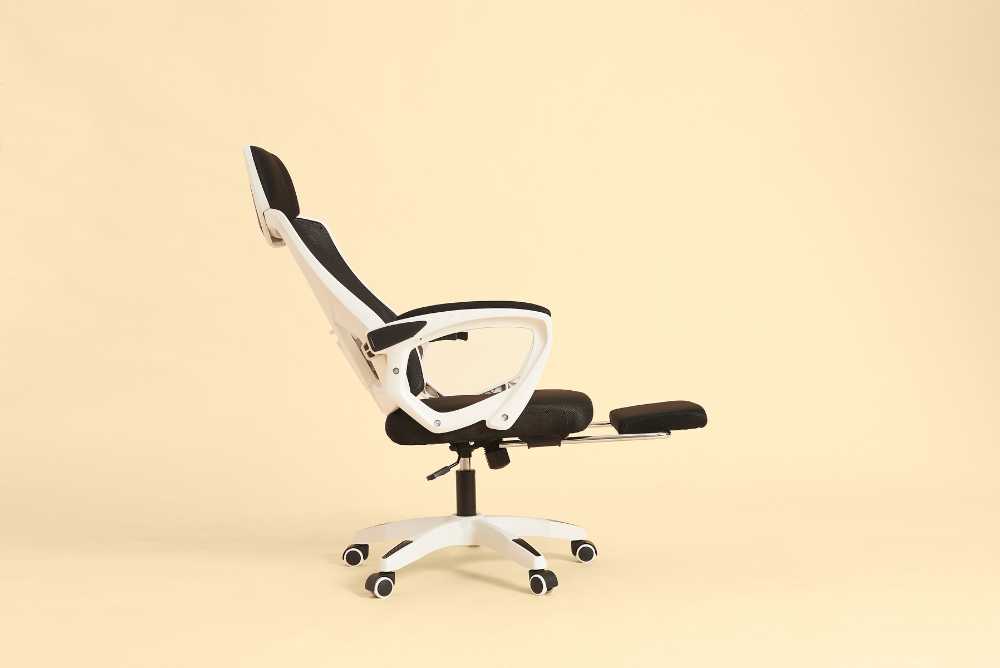
Lumbar Support: Helps maintain the natural curve of the spine by supporting the lower back. This reduces slouching and lowers the risk of back strain during long meetings.
Adjustable Backrest: Allows the user to tilt or lock the backrest at a comfortable angle. This helps users stay relaxed while maintaining a healthy seated posture.
Armrest Adjustability: Supports the elbows and shoulders, especially during note-taking or typing. Height-adjustable armrests help reduce neck tension and shoulder fatigue.
Seat Height Control: Lets users align their feet flat on the floor while keeping their knees at a 90-degree angle. This boosts circulation and overall comfort.
Fitting Ergonomic Chairs Into the Office Layout
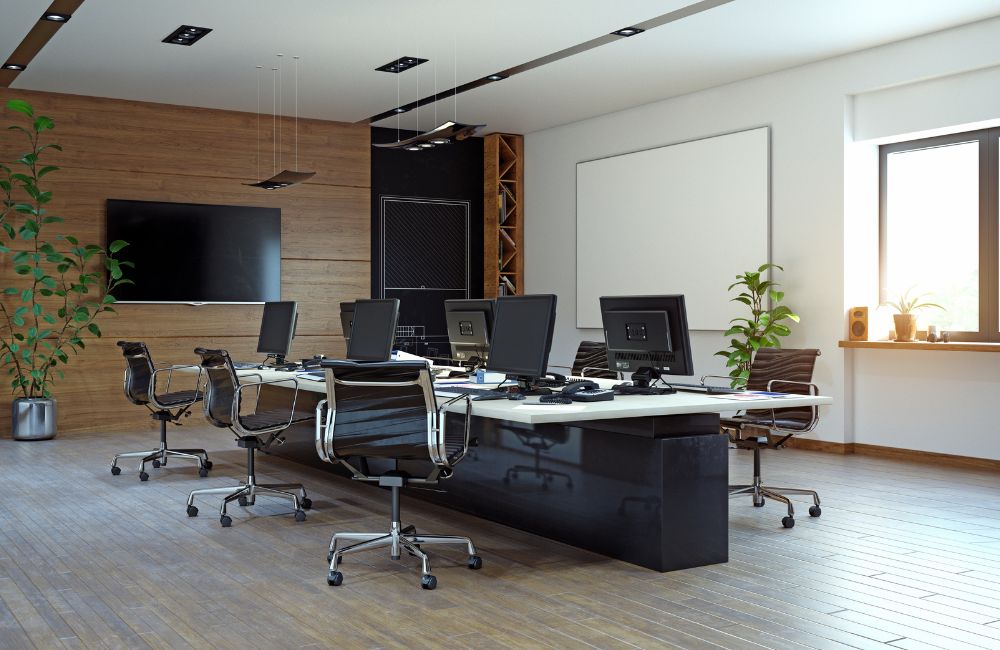
When planning how to arrange furniture in an office, ergonomic chairs should work in harmony with tables and room dimensions. Here are a few quick tips:
Space Between Chairs: Allow enough space between each office conference chair so attendees can move freely without bumping into each other.
Matching Table Height: Make sure the executive meeting chairs are compatible with the table height, so arms rest naturally and comfortably on the table.
Storage Considerations: In multi-use rooms, ergonomic conference room chairs with stackable or slim profiles make rearranging easier without sacrificing comfort.
2. Mobility and Swivel Base
In modern workspaces, flexibility and movement matter just as much as comfort. Conference room chairs that offer smooth mobility and swivel functionality make it easier for team members to engage in meetings, reach shared materials, or shift between discussions without distractions.
Key Elements of Mobility in Conference Chairs
Choosing the right kind of mobility can improve the way teams interact during meetings. In settings that use office conference chairs, it’s helpful when individuals can move with ease without interrupting the flow of conversation.
Smooth-Rolling Casters: Quality casters let the chair roll easily on carpet, hardwood, or tile. This allows team members to reposition themselves quickly to join side discussions, reach a whiteboard, or shift focus without scraping or dragging the chair.
Multi-Surface Compatibility: Some chairs come with universal casters that work well on different floor types. This reduces the need for mats or added floor protection and ensures consistency in movement across the office.
Locking Wheel Options: Chairs with optional wheel locks can be useful in boardrooms or spaces that host long sessions. They keep the chair stable when needed, which is a good feature for spaces that use leather boardroom chairs.
Benefits of a Swivel Base in Meeting Spaces
Swivel bases enhance usability, especially in large or shared conference rooms. They’re common in executive meeting chairs where users often turn between a monitor, table, and fellow colleagues.
360-Degree Rotation: A chair that swivels in a full circle allows the person to easily turn and speak to different members of the team without needing to scoot or reposition the chair base.
Encourages Active Participation: Being able to swivel supports open communication and encourages more natural movement in brainstorming sessions or collaborative discussions.
Supports Task Transitions: In rooms that double as workstations or presentation areas, a swivel base helps individuals switch between facing a display screen and working on a laptop with ease.
3. Comfort and Cushioning
Creating a comfortable meeting environment is essential in modern workspaces. When selecting conference room chairs, comfort and cushioning should be a top priority. These features not only affect how people feel during meetings but also contribute to overall productivity and satisfaction.
Benefits of Choosing High-Quality Materials
The materials used in the seat affect both comfort and durability. Some materials are better suited for longer meetings, while others offer a more stylish or executive appearance.
High-Density Foam Cushions: Offer strong support while adapting to the shape of the person sitting. This type of cushioning keeps its form over time and prevents sinking or flattening.
Mesh Seating: Encourages airflow, keeping the user cool even during long meetings. Mesh is flexible and often paired with ergonomic designs for added comfort.
Padded Leather Options: Often seen in executive meeting chairs, leather adds a professional look and soft feel. Chairs with thick, padded leather seats combine luxury and function.
Breathable and Supportive Design to Consider
Good office conference chairs should help prevent discomfort that builds over time. Breathable materials and structured padding play a big role in keeping everyone focused and engaged.
Ventilated Backrests: Reduce sweat and heat buildup during long discussions. Mesh or perforated backs allow fresh air to circulate.
Layered Cushioning: Chairs with multiple layers of soft padding provide balanced comfort. They help reduce pressure on the hips and lower back.
Contoured Seat Shapes: Support natural posture by following the curves of the body. This design helps reduce strain and keeps users comfortable for extended periods.
Practical Design Choices to Make
While comfort is key, the design should also match the space. Knowing how to arrange furniture in an office helps ensure the chairs enhance rather than clutter the room. Lightweight chairs with well-cushioned seats offer both comfort and flexibility in layout.
Compact Cushioned Seats: Save space without compromising comfort. These chairs are ideal for smaller conference rooms or multi-use meeting areas.
Stain-Resistant Upholstery: Makes cleaning easier and keeps chairs looking professional. Materials that resist wear help chairs stay comfortable and appealing over time.
Rolling Casters with Padding: Add flexibility to the room layout while still offering plush support. These are commonly found in executive meeting chairs and help in dynamic workspaces.
4. Aesthetic and Design Compatibility
Conference room chairs aren’t just about function—they also shape the look and feel of a modern workspace. Choosing chairs that fit the office’s design style helps create a space that feels put-together, professional, and welcoming.
Style Types That Suit Modern Workspaces
The design of office conference chairs should match the rest of the furniture in the room. Here’s how different styles can complement a modern setup:
Sleek and Minimalist: Clean lines and neutral tones give the room a light and modern look. These chairs often work well in tech companies, creative studios, or open-plan offices.
Contemporary and Bold: Chairs with unique shapes or statement colors can serve as design features. These are a good fit for offices looking to reflect innovation or creativity.
Classic Leather Styles: Leather boardroom chairs bring a timeless, executive touch. Ideal for firms with a traditional look or a leadership-heavy meeting space.
Mix of Materials: A blend of mesh, metal, and soft fabrics can bring texture and personality without feeling outdated.
Matching Chairs to Office Décor
To make sure chairs don’t look out of place, it’s important to look at the full room layout. A common concern is how to arrange furniture in an office without making it look crowded or unbalanced. Thoughtful chair choices help solve this.
Size and Shape: Chairs should not be too bulky or too small for the table. Oversized executive meeting chairs may look out of place in a small room.
Consistent Theme: Stick with one design theme for the entire conference room, including lighting, desks, and storage units.
Choosing Based on Room Type
Every meeting space serves a different purpose. Some rooms need simple, stackable chairs, while others call for high-end seating like leather boardroom chairs. The type of chair should match the frequency and style of use:
Casual Meeting Rooms: Light, flexible chairs that are easy to move and store.
Formal Boardrooms: High-back leather chairs that show authority and comfort.
Creative Spaces: Colorful or adjustable office conference chairs that encourage comfort and collaboration.
5. Durability and Build Quality
In busy offices where furniture is used daily, durability is a key feature to look for in conference room chairs. These chairs should last for years without losing function or comfort. Whether for client meetings or team discussions, investing in chairs made from strong, long-lasting materials is a smart move.
Key Considerations for Durability and Build Quality
Long meetings and everyday use can wear down low-quality chairs quickly. Choosing chairs that are made for long-term use avoids constant maintenance.
Certified Weight Capacity: Some conference room chairs come with weight ratings to show how much they can safely support. Look for chairs that meet standard safety guidelines.
Stitching and Joint Strength: Double-stitched seams and well-secured joints help prevent tears and wobbly arms or legs. These details are small but important for overall build quality.
Wear-Resistant Finishes: Coated or powder-finished frames don’t just look good—they also protect the chair’s surface from rust, fading, or scratches.
Long-Term Cost Benefits
High-quality office conference chairs may cost more upfront, but they bring real savings over time.
Fewer Replacements: Strong materials mean less money spent replacing worn-out seating.
Less Maintenance: Durable chairs need fewer repairs, reducing downtime and service costs.
Better Return On Investment: Paying for quality once often costs less than buying lower-quality options multiple times.
6. Space Efficiency and Stackability (If Needed)
In modern offices where space is often limited or used for multiple purposes, having conference room chairs that can be moved and stored easily is important. Choosing the right type of chair can help maximize the room’s potential without sacrificing comfort or style.
Why Space Efficiency Matters
Smaller meeting rooms or multi-use areas need furniture that doesn’t take up too much space when not in use. Compact and practical furniture choices, like stackable office conference chairs with slim profiles, are ideal for keeping the area neat and flexible.
Better Use of Limited Space: Chairs with smaller frames or minimal bulk allow more seating without overcrowding the room. This is useful in startup offices or coworking environments where space is shared.
Easier Room Layout Changes: Light and mobile chairs make it faster to rearrange seating for different types of meetings or group sizes.
Improved Cleaning Access: Slim or movable seating makes cleaning easier, especially in high-use meeting rooms.
Best Chair Options for Space Efficiency
Stackable or easily stored designs are excellent for multipurpose rooms. They make setup and cleanup simple and quick.
Stackable Chairs: These can be placed on top of each other and stored in a corner or storage closet when not needed. Great for event spaces or rooms that change functions during the day.
Foldable Options: Some conference room chairs come with a foldable design, making them easy to slide under tables or store in a compact stack.
Nestable Designs: Chairs with legs that allow them to nest together without lifting are a great option for users who want quick transitions.
Compact Footprints For Smaller Rooms
Not every meeting space is large. Smaller boardrooms benefit from furniture that fits without making the room feel cramped. Leather boardroom chairs can still be space-friendly with the right dimensions and design.
Slim Armrests and Frames: Chairs that reduce excess padding or bulk in the frame help open up the room without compromising on comfort.
No-Wheel Options: In very small rooms, chairs without wheels can help keep the layout tidy and reduce movement noise.
Dual-Purpose Seating: Chairs that look professional for meetings but are also comfortable enough for guest seating or break areas add value.
Frequently Asked Questions
How much space should be between chairs in a conference room?
There should be at least 24 to 30 inches of space between chairs to ensure people can sit and move comfortably. This spacing helps prevent crowding and allows for smooth access in and out of the seating area. If the chairs have armrests, lean toward the higher end of the spacing range. Proper spacing also supports airflow and contributes to a more professional layout.
What is the difference between a conference chair and an office chair?
A conference chair is designed for shorter, formal meetings and often has a fixed height and limited adjustability. An office chair typically includes features like adjustable height, lumbar support, and tilt functions for daily use. Conference chairs prioritize a clean, uniform look over ergonomic customization. They’re more commonly found in meeting rooms than workstations.
How much weight can most conference room chairs hold?
Most standard conference room chairs can support between 250 to 300 pounds. Heavy-duty models may support up to 400 pounds or more depending on the design and materials. Always check manufacturer specifications to confirm weight capacity. Using chairs within the recommended range ensures safety and durability.
What is the best seating arrangement for a conference?
The best seating arrangement depends on the meeting type, but the boardroom style is most common for small to mid-sized groups. For presentations, theater-style or classroom-style arrangements work well. U-shape or hollow square layouts are ideal for collaborative discussions. The goal is to match the setup to the interaction level needed.
What is the best way to position a conference chair?
A conference chair should be placed so that each person faces the center of the table or the main speaker. The back legs should be aligned with the edge of the table for a neat and accessible look. Allow enough space between chairs for easy movement. This setup supports both comfort and visibility during meetings.
Choose Conference Room Chairs That Boost Comfort and Focus!
Furnish meeting spaces with office conference chairs designed for comfort, durability, and modern style. In White Plains, NY, where teams spend hours in discussion, the right seating can make a lasting impact. Stamford Office Furniture offers a range of ergonomic options—from leather boardroom chairs to executive meeting chairs—built for productive spaces.
Perfect for offices across White Plains, NY, these chairs combine support with sleek design. Let Stamford Office Furniture provide seating solutions that match the pace and purpose of today’s meetings.